
- Advertisement -

Labour law overhaul set for Parliament after 28 months of talks

- Advertisement -

Must read

By Lebone Rodah Mosima

A package of labour law reforms affecting gig workers, severance pay and the role of shop stewards is ready to go to Parliament after more than 28 months of talks at NEDLAC.

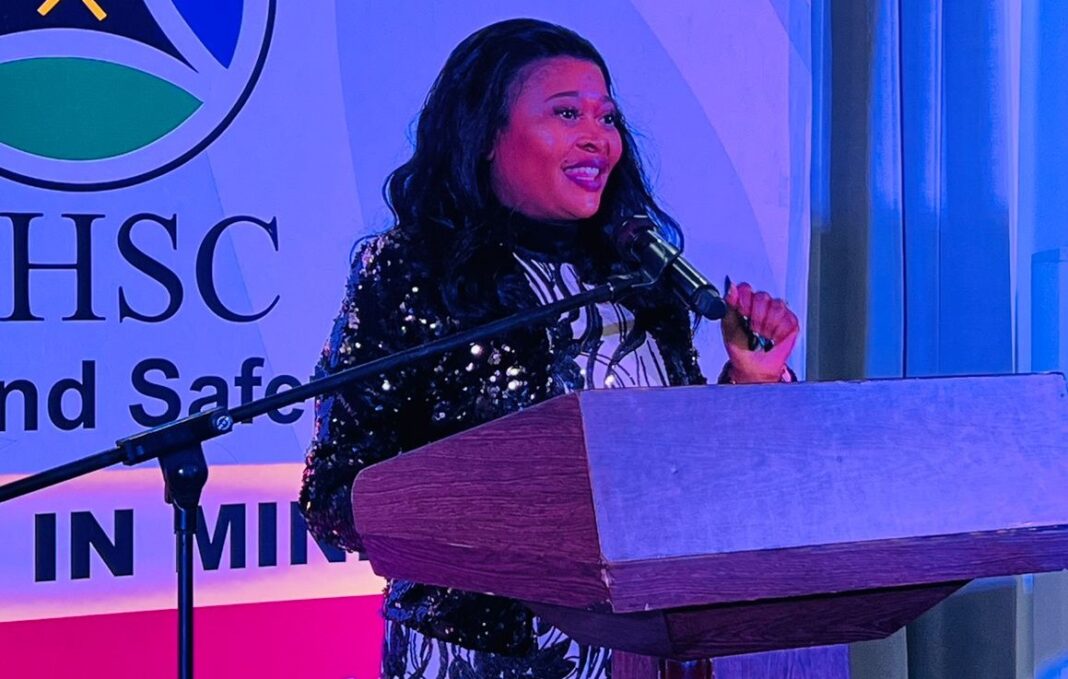
Speaking at the 2026 Annual NEDLAC Organised Labour School at Kievits Kroon in Pretoria, Deputy Employment and Labour Minister Judith Nemadzinga-Tshabalala said on Monday that the package followed lengthy negotiations between organised labour, organised business and government.

“Through NEDLAC social dialogue, the very heart of tripartite engagement, we spent over 28 months in intense negotiations between organised labour, organised business, and government. The result? A comprehensive package of labour law reforms that are now ready to be tabled in Parliament this year.”

The Labour Laws Amendment Bill and the Labour Relations Amendment Bill together represent one of the biggest proposed overhauls of the country’s labour framework in years. They were gazetted on 26 February.

Nemadzinga-Tshabalala said the reforms were designed to close long-standing gaps in labour protections and enforcement.

“We did not just talk; we listened, we compromised where necessary, and we produced Bills that address long-standing weaknesses in enforcement, exclusion, and institutional inefficiency. They deliver powerful new protections on the National Minimum Wage.”

Among the most significant changes are new protections for workers in the gig and platform economy. The department has said the draft reforms would, for the first time, extend organisational rights, collective bargaining and protected strike rights to dependent contractors who fall into the grey area between employee and independent contractor.

The package also targets insecure working arrangements. According to the department, employers would have to set out guaranteed hours, maximum hours, availability periods and notice periods for workers on on-call, zero-hours and min-max contracts.

Nemadzinga-Tshabalala said the reforms would also strengthen enforcement of the National Minimum Wage and tackle abuse around deducted benefit-fund contributions.

“These Bills make it clear that deferred payments to employees will not count when calculating compliance with the National Minimum Wage.”

“On non-payment of provident and pension funds, as well as other benefit funds, the Bills are equally tough.”

“Linked to the published January 2026 Section 34A BCEA notice, this ends the scandal where employers deducted money from workers’ salaries but never paid it over, especially in security, contract cleaning and municipal sectors.”

The department has also said the reforms would require shop stewards to accompany labour inspectors on workplace compliance visits, a move aimed at giving workers direct representation during inspections.

“To make enforcement even stronger and more transparent, the reforms require shop stewards to accompany labour inspectors during compliance visits in the workplace. This ensures workers have a direct representative present when records are checked, wages are verified, and benefit fund contributions are audited.”

“Shop stewards become the eyes and ears of the workforce during inspections, building trust, speeding up resolutions, and making sure no employer can hide non-compliance.”

On retrenchments, Nemadzinga-Tshabalala said the draft changes would raise severance pay from one week to two weeks per completed year of service and allow disputes over severance to go straight to the CCMA for arbitration, changes also reflected in the department’s published outline of the bills.

“While the Department knows that retrenchment is part of the business operational requirement, we know that retrenchments devastate families and communities. Now, severance pay is doubled from one week to two weeks per year of service.”

“Disputes about severance can now go straight to the CCMA for arbitration, even if they arise from statute, collective agreement, or contract. This is real security for workers facing operational requirements dismissals.”

She said the package marked a major shift in how labour law would respond to changing forms of work and weak compliance.

“Comrades, these are not minor changes. These are historic gains that close enforcement gaps, remedy exclusion, and give workers real power in a changing world of work.”

INSIDE POLITICS

More articles

LEAVE A REPLY

Please enter your comment!
Please enter your name here

AVBOB STEP 12

Inside Education Quarterly Print Edition

Inside Metros G20 COJ Edition

JOZI MY JOZI

QCTO

Latest article



