
By Kenneth Nsah Mala
In the grasslands and highlands of western Cameroon, some animals are believed to be sacred.
Within the region’s indigenous kingdoms (fondoms), many of these animals are also considered to be royal.
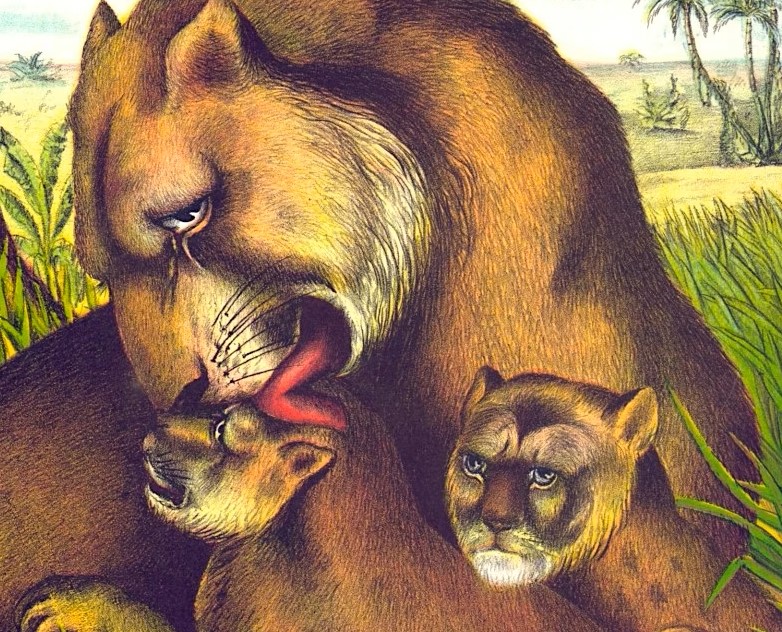
They include wild cats (like cheetahs, leopards, lions, tigers), buffaloes, elephants, porcupines, cowries (sea snails), and a brightly coloured bird called the Bannerman’s turaco.
These species carry deep cultural and spiritual significance. They are, for example, often used to decorate royals (kings, queens and queen mothers) or to award royal distinctions to deserving individuals.
Their body parts can be used to make crowns, bedding, footstools, bangles or necklaces for royalty. Red feathers from the Bannerman’s turaco are used to distinguish warriors and hunters.
Here, indigenous cultural practices can both sustain and decimate biodiversity. The names of some of these animals, especially wild cats, are used as praise names for kings.
But custom dictates that when these animals are found, they must be killed and taken to the palace as a tribute.
Most are either locally extinct or critically endangered. Except for cowries and porcupines, all these animals are included on the red list of the International Union for the Conservation of Nature.
Biodiversity loss caused by humans is accelerating at alarming rates around the world. This includes biodiversity hotspots like the Congo Basin in central Africa, which Cameroon is part of. Thousands of species have been identified in the basin, 30% of which are endemic (native).
I am a scholar who works across disciplines. These include the arts, literature and cultural studies; environmental humanities; sustainability science; anticipatory governance and future generations; strategic foresight and futures studies.
In a recent study, I explored how literary creativity combined with foresight workshops might help change how people view these animals. Could they offer more hopeful futures for these unique species?
The role of literature
Literary texts like plays, poems and novels offer insights into dealing with climate and ecological challenges in the Congo Basin. (Even in the case of less popular but highly important species such as insects.)
This is the case in many works by anglophone Cameroonian authors, like Athanasius Nsahlai, Kenjo Jumbam, J.K. Bannavti, and John Nkengasong.
Their stories have the potential to warn against the destruction of royal and sacred animals. They can also help shape new visions for the future of biodiversity conservation.
I draw on postcolonial ecocriticism (the relationship between literature, culture, the environment and history) and narrative foresight (what stories can reveal about the future) in my study.
I analyse how these books engage with royal and sacred animals in ways that challenge environmentally unfriendly cultural practices, and how they propose new forms of relations between humans and other animals.
Jumbam’s novella, Lukong and the Leopard, for instance, tells the story of a young man called Lukong. The son of an outcast from the Nso kingdom, he helps capture a lion.
Surprisingly the king demands it be brought to his palace alive. Just as Lukong is to be decorated by the king, his father sneaks in. Fearing for his son’s life, he sets the lion free.
In a sense, the story challenges the old cultural practice of killing royal animals. It invites readers to change how they see and relate with these animals in order to protect them.
Workshops
Stories like this can then be taken into foresight workshop sessions. Narrative foresight meets group participation to create what is called participatory foresight.
Participants and stakeholders from diverse backgrounds are brought together to explore future scenarios, the challenges that shape them and what can drive change.
As part of my research, I organised a day of participatory foresight workshops on #CongoBasinFutures and #RoyalAnimalsFutures in Yaoundé, Cameroon.
Over 30 participants across a range of ages, genders and interests were brought together. They included teachers, researchers, environmentalists, farmers, nurses, writers, filmmakers, musicians, journalists, students, civil society workers, policymakers, and indigenous kings (fons).
Using foresight tools, participants were asked to discuss motivations as well as historical barriers while envisioning more hopeful futures for royal and sacred animals. The workshops were designed to include literary narratives on the plight of these animals.
They drew on current trends and signals of change, like climate change, biodiversity loss and indigenous cultural practices. They imagined new futures and then collectively proposed several policy interventions that could be practical solutions.
Shaping better policies
Cameroon does have environmental laws aimed at protecting biodiversity, but they are not effectively implemented. My study – and our workshop – seeks to complement these laws and contribute to their effective use in practice. Ideas coming out of the workshop include:
- Creative arts and education should be used to help raise awareness about protecting royal animals and biodiversity. This could include programmes like our workshop, creative competitions and updating educational curricula.
- Instead of decorating those who kill, local hunters should be rewarded when they spot and report the presence of royal animals for monitoring and preservation. The use of artificial animal parts for traditional ceremonies should be encouraged.
- Policy should encourage research into the controlled breeding of endangered royal and sacred animals and the promotion of ecotourism around these animals. Special parks and reserves could combine arts and royal animals to attract tourists. Revenue could improve livelihoods, sustain cultures, and promote environmental conservation.
- Environmental regulation should be strengthened through collaboration with all stakeholders, including indigenous authorities and local communities. Hunting of certain animals could be regulated. Hunting seasons and quotas for certain species could be in place. Indigenous leaders and communities could be engaged to adapt and modernise cultural practices in an era of environmental collapse.
But we must move from recommendations into action. Otherwise, ideas from studies like this will remain good on paper only, like most environmental laws in Cameroon. If so, royal animals and other species will continue to be threatened by extinction.
Kenneth Nsah Mala is Expert in Environmental Humanities, Sustainability Science, Foresight and Futures Studies, University of Cologne.
This article was first published by The Conversation.
INSIDE POLITICS





