By Thapelo Molefe
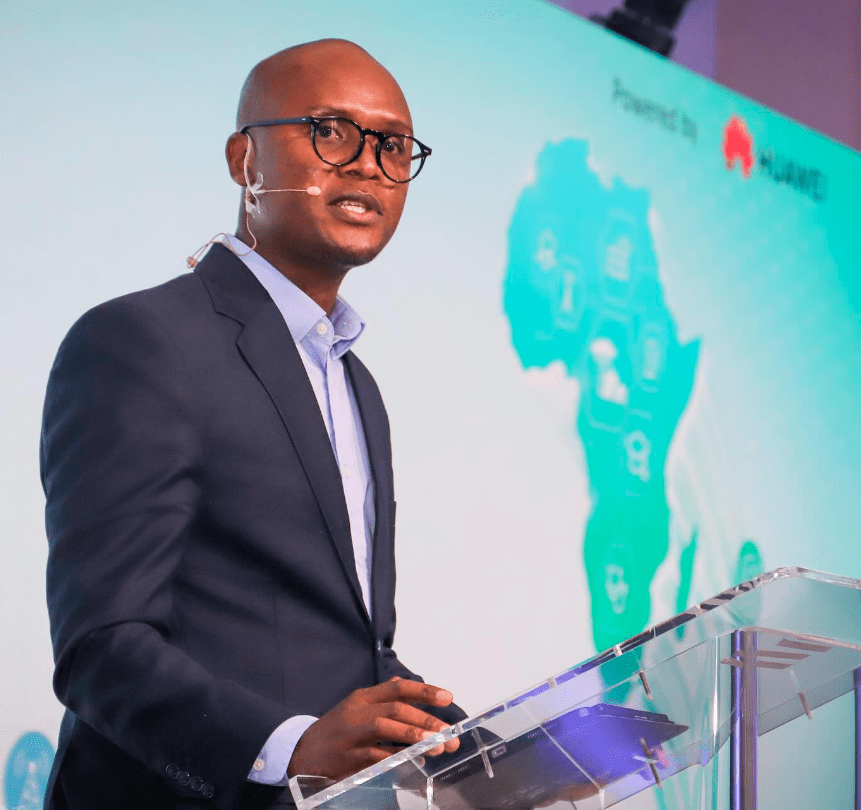
Minister of Communications and Digital Technologies Solly Malatsi has acknowledged that generative artificial intelligence (AI) was used irresponsibly during the drafting of South Africa’s national AI policy, forcing government to withdraw the document and tighten oversight measures on the use of AI in policymaking.
Speaking during the Department of Communications and Digital Technologies’ 2026 Budget Vote debate in Parliament on Tuesday, Malatsi said the department had no choice but to withdraw the draft National AI Policy Framework after fabricated references and inaccurate citations were discovered in the document.
“The series of events obviously impacted the policy document and withdrawing it was the only way to ensure that we can reintroduce a credible policy for this critical area,” Malatsi told MPs.
The minister said the department would now implement an internal responsible AI use policy and review its policy development processes to prevent similar incidents in future.
“We will be enforcing an internal responsible AI use policy and review our policy development process to ensure that this type of recurrence does not happen again. South Africa deserves better,” he said.
The draft AI policy came under scrutiny earlier this year after sections of the document were found to contain fabricated academic references believed to have been generated by AI tools.
Malatsi announced the appointment of an advisory panel to oversee the review and redrafting of the policy. The panel will be chaired by Benjamin Rosman and includes experts in AI governance, digital policy and technology research.
According to Malatsi, the panel will ensure that the revised policy is based on “the best available verifiable evidence” and aligned with South Africa’s priorities.
The AI policy controversy became one of the major talking points during the parliamentary debate, with opposition parties accusing the department of undermining public trust.
MP Malebo Kobe said the incident represented “a profound breach of trust between the executive and the people of South Africa”.
“Citizens expect policy documents to be credible, verified and professionally prepared, not carelessly stitched together by a chatbot and dumped on a government letterhead,” Kobe said.
“Surely, any minister whose signature appears on a document riddled with AI hallucinations would have long resigned.”
Kobe further mocked the department’s handling of the matter, saying it appeared to have “ceased functioning the moment its premium subscription to ChatGPT expired”.
Despite the criticism, Malatsi defended the department’s broader digital transformation agenda, saying government remained committed to modernising South Africa’s digital economy, expanding internet access and developing credible policies for emerging technologies.
“A modern digital economy cannot be governed by frameworks designed for an older communications environment,” he said.
INSIDE POLITICS