
By Johnathan Paoli
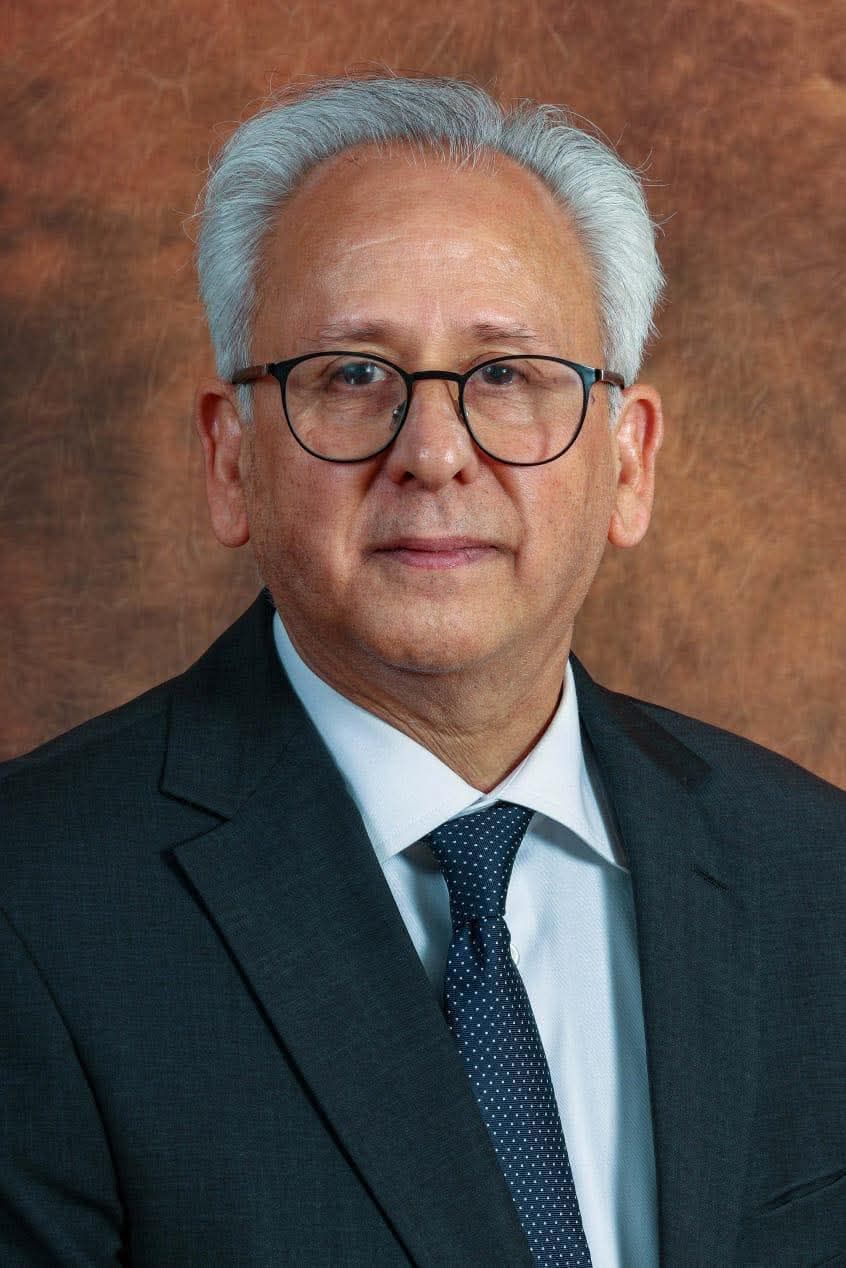
Acting police minister Firoz Cachalia has unveiled what he described as a long-term “police reset agenda”, promising sweeping reforms to rebuild the integrity, professionalism and operational effectiveness of the South African Police Service (SAPS) amid mounting concerns over organised crime, corruption and public trust in policing.
Delivering his ministry’s 2026/27 Budget Vote speech in Parliament in Cape Town on Tuesday, Cachalia said the SAPS and government were embarking on a multi-year turnaround strategy aimed at creating a modern, professional and trusted police service that places the safety of South Africans first.
“South Africans want to be safe and feel safe. They want to feel safe in the streets, their homes, schools, while using public transport and their workplaces. Our people want a police service that is visible, responsive, disciplined and effective. Above all, they want a police service they can trust,” he said.
Cachalia stressed that the reset agenda would not be completed within a single financial year and warned against expectations of quick fixes.
“It requires a multi-year turnaround strategy that is consistently implemented. The actions we take in this financial year should contribute to the foundations upon which a strengthened SAPS can be built. We will not promise miracles or short-term fixes. What matters is that the direction we are taking is clear and the goals are firm,” he said.
SAPS has been allocated R127.072 billion for the 2026/27 financial year, with the budget projected to increase to R135.8 billion by 2028/29.
Cachalia said the budget would prioritise restoring integrity within the police service, improving intelligence and detective capabilities, modernising procurement systems and strengthening organised crime investigations.
While praising “many tens of thousands of dedicated and committed police officers”, the minister acknowledged that corruption remained deeply entrenched within sections of SAPS.
“At the same time, we acknowledge that SAPS, like other public institutions, particularly in its procurement systems, is bedeviled by systemic corruption. Those involved, must and are being held accountable,” he said.
Cachalia referenced the ongoing work of the Madlanga Commission of Inquiry, saying it was assisting efforts to improve accountability in policing.
“The SAPS has established a dedicated Task Team to investigate referrals arising out of the Madlanga Commission. The Task Team is making progress. Arrests will continue, as we recently saw with Brown Mogotsi,” he said.
A major component of the reset agenda would focus on overhauling Crime Intelligence and improving detective services.
“Effective crime intelligence is necessary to fight organised crime; it must identify threats early, infiltrate organised criminal networks, prevent violent crime and guide operational deployments through credible information and analysis,” Cachalia said.
He acknowledged major weaknesses within forensic and investigative units, saying the challenges facing forensic services must be addressed as a priority including DNA analysis, ballistics, digital forensics, chemistry and cybercrime investigation capabilities.
The minister also announced plans to tighten discipline within SAPS, arguing that police officers facing serious criminal charges should be removed from frontline policing duties.
“My view is that where members are facing serious criminal charges, they should be removed from operational policing duties while due process unfolds. Those convicted of offences involving dishonesty, corruption or violent crime including rape must face mandatory dismissal from the organisation,” he said.
Cachalia said procurement corruption and operational failures were undermining policing effectiveness and confirmed that Acting National Commissioner Lieutenant-General Puleng Dimpane was implementing a major overhaul of SAPS procurement systems in partnership with National Treasury’s Government Technical Advisory Centre.
“This reform process will modernise procurement systems, strengthen oversight, improve transparency and ensure that police officers receive the vehicles, technology, protective equipment and operational resources they require to serve communities effectively,” he said.
The minister announced a renewed focus on the country’s fifty highest-crime police precincts, where detailed assessments would be conducted on staffing, leadership, detective performance and operational readiness.
Government would also intensify efforts against organised crime syndicates through a new organised crime strategy focused on intelligence-led policing, financial investigations and cross-border cooperation.
To strengthen firearm regulation and enforcement, an additional R18 million has been allocated for licensing and compliance activities, while more than R200 million will be invested in a digital Firearms Control Management System.
Cachalia said policing alone could not solve South Africa’s crime crisis and stressed the importance of community partnerships and broader social interventions.
The minister emphasised the role of the budget in turning things around.
“This Budget is not a silver bullet. But it is an important step towards a more capable, more honest, and more focused police service. The Police Reset Agenda is about restoring hope to the people of South Africa,” he said.
INSIDE POLITICS





