
- Advertisement -spot_img

Misuzulu to Mnangagwa: Shared history no excuse to break SA immigration laws

- Advertisement -spot_img

Must read

By Sihle Mavuso

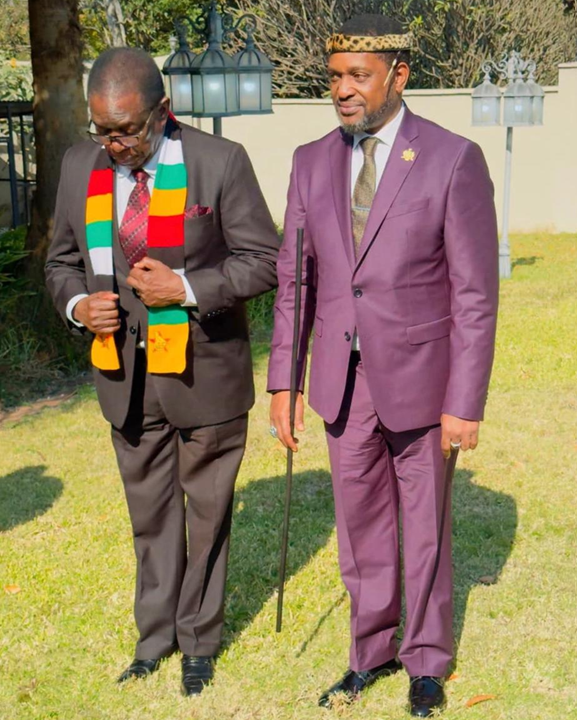
King Misuzulu kaZwelithini has told Zimbabwean President Emmerson Mnangagwa that the historic ties linking communities across southern Africa should not be used as a licence to disregard South Africa’s immigration laws.

The AmaZulu King said compliance with immigration laws was standard international practice intended to ensure the orderly and lawful movement of people and should not automatically be characterised as xenophobic.

His comments were contained in a prepared speech released by the King’s Office on Monday following his meeting with Mnangagwa during an official visit to Zimbabwe.

ALSO READ: UK triple-murder accused Ndodana Tshuma remanded in Joburg

The visit came amid heightened tensions over immigration in South Africa, where anti-illegal immigration groups have demanded that  the government remove undocumented foreign nationals. In some instances, protesters have been accused of taking the law into their own hands by confronting foreign nationals and attempting to carry out immigration enforcement themselves.

Misuzulu said the Zulu nation had historic and cultural links with communities in other Southern African Development Community countries through the migrations and political upheavals associated with the early-19th-century Mfecane period.

However, he said that shared history did not exempt anyone from complying with the laws of a sovereign country.

“Communities with common historical roots are also found in Eswatini, Mozambique, Malawi, Zambia, Tanzania and elsewhere across our continent. These histories remind us that African identity has never been confined to colonial borders. Our shared ancestry should inspire mutual respect. It should never be used to justify disregarding the immigration laws of sovereign nations.

“Being family does not exempt us from respecting one another’s homes. On the contrary, family respects family. It is therefore inaccurate to portray South Africans as a people who hate Africans. South Africans have for generations welcomed students, entrepreneurs, professionals, investors, refugees and visitors from across the continent.”

King Misuzulu illustrated his argument by explaining that he had been required to present his travel documents and declare the purpose of his visit when he arrived in Zimbabwe.

“As I arrived here in Zimbabwe, I presented my passport to the immigration authorities. My passport was stamped, I declared my nationality, I declared the purpose of my visit and I informed the authorities where I would be residing during my stay.

“By entering Zimbabwe, I accepted that while I remain King of the Zulu Nation, I am nevertheless a visitor within the sovereign territory of the Republic of Zimbabwe, and I am duty-bound to respect and obey the laws of this country for the duration of my visit.”

He said the immigration process had not diminished his dignity but had instead recognised and respected Zimbabwe’s sovereignty.

“Likewise, every sovereign nation has the right to know who enters its territory, for what purpose they enter, how long they intend to remain, and whether they comply with that nation’s laws,” he said.

Misuzulu said respect for immigration laws was not unique to Africa but formed part of the system through which countries across the world regulated their borders.

ALSO READ: Cat Matlala withdraws plea deal in Medicare24 tender case

“Every member state of the United Nations maintains borders, every member state issues visas. Every member state enforces immigration laws. Africa should never be expected to apologise for exercising rights that every sovereign nation in the world already exercises.”

He also expressed concern that the debate over undocumented immigration had become increasingly polarised across the continent.

He said some people wrongly treated every concern about unlawful immigration as an expression of xenophobia, while others unfairly blamed foreign nationals for every social and economic problem facing their communities.

INSIDE POLITICS

More articles

LEAVE A REPLY

Please enter your comment!
Please enter your name here

Services Seta 2026

spot_img

Inside Education E-edition June 2026

spot_img

CATHSSETTA

spot_img

AVBOB STEP 12

spot_img

Inside Metros G20 COJ Edition

spot_img

JOZI MY JOZI

spot_img

QCTO

spot_img

Latest article



