
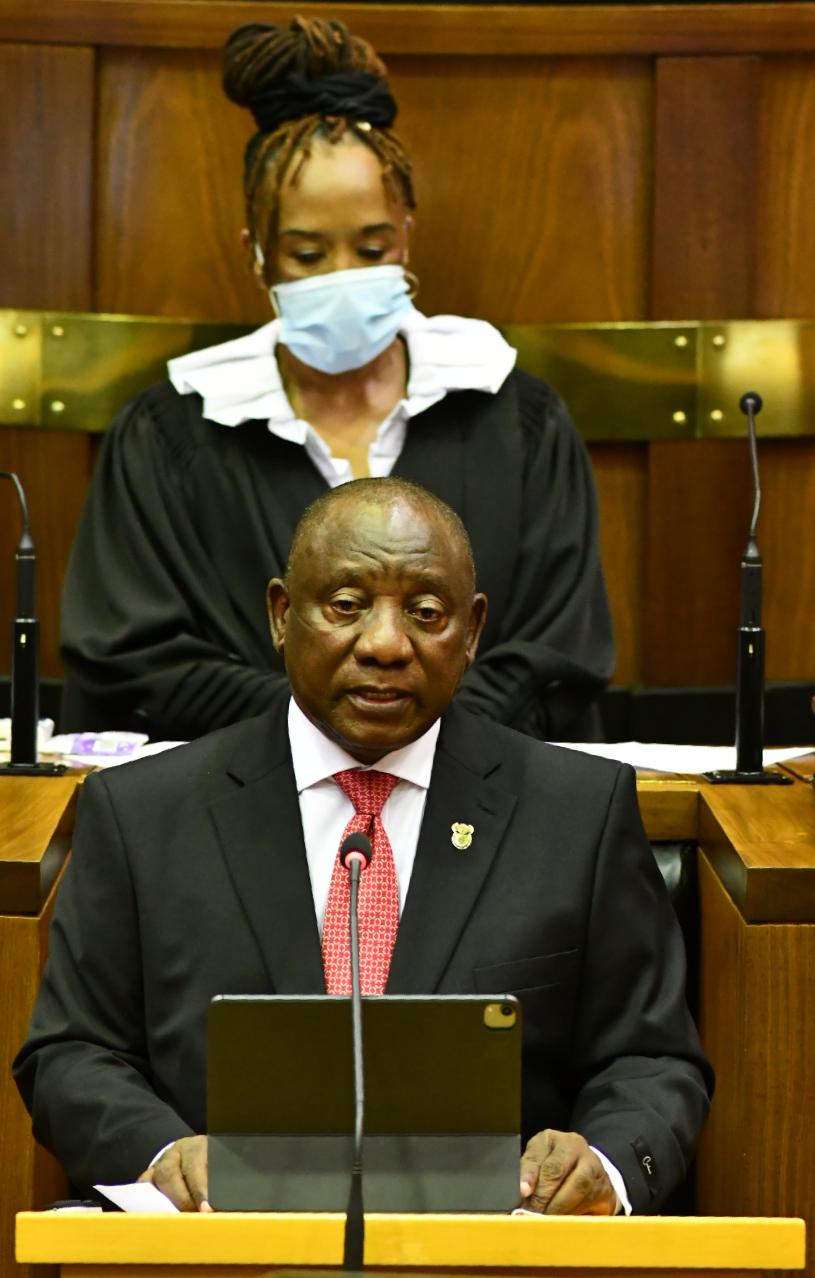
CYRIL RAMAPHOSA|
A year before the first democratic elections, President Nelson Mandela wrote an article in Foreign Policy magazine on the new South Africa’s future foreign policy.
Reflecting on the shifts in global alliances brought about by the end of the Cold War, he wrote that countries would have to “recast their nets” if they were to reap any benefit from international affairs.
Since the tectonic shift of 1994 when we made a decisive break with not just apartheid but the international relations outlook of its architects, South Africa’s foreign policy continues to be characterised by this “recasting the net”.
Our foreign policy priorities are regional political and economic integration, pursing African development, multilateral engagement and the promotion of democracy, peace and human rights.
To this end we have forged strategic alliances with both the countries of the Global South and mutually beneficial cooperation with the countries of the North.
Joining the BRICS group of countries in 2010 was a milestone in our quest to advance our own national development priorities by forging stronger ties with the important emerging economies of Brazil, Russia, India and China.
Put into context, BRICS countries comprise roughly 41% of the world’s population and account for around 24% of global GDP and some 16% of global trade.
We have reaped the benefits of membership of this important bloc, most notably in the area of economic cooperation.
Bilateral trade has grown, particularly with China and India, with commodity exports and manufactured goods imports featuring strongly.
The BRICS countries continue to be important sources of foreign direct investment in key such as mining, automotive, transportation, clean energy, financial services and IT.
A 2018 review of our BRICS membership by professional services firm Deloitte noted that BRICS partners “invested three times more capital in the country compared to the seven years prior to 2011”. These investments and projects have in turn led to significant job creation.
Since the formation of the New Development Bank, whose regional office is located in Johannesburg, South Africa has been a beneficiary of financing and technical support for projects in transportation, clean energy, environmental protection, water infrastructure and greenhouse gas emissions reduction.
Since the outbreak of the COVID-19 pandemic, South Africa has received $2 billion in funding from the New Development Bank under the COVID-19 Emergency Loan Programme to fight the pandemic and to support our economic recovery.
There has also been substantial cooperation with our BRICS partners in securing personal protective equipment and cooperation around vaccine access and distribution.
- From the desk of the President





