

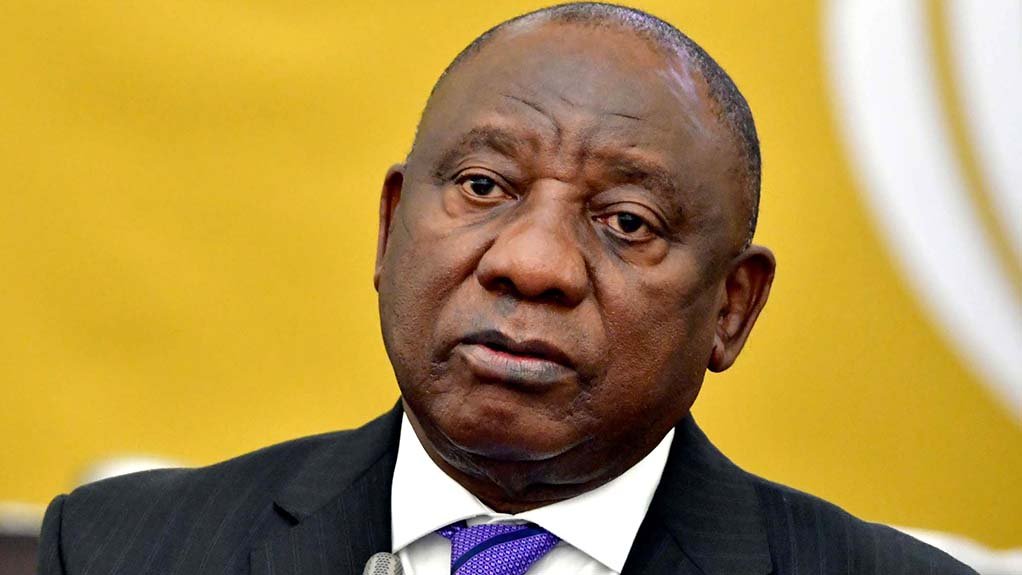


THE Democratic Alliance (DA), on Wednesday, warned President Cyril Ramaphosa against declaring a State of Emergency over the country’s energy crisis, saying it will reject such action.
“We will reject any action taken to declare a State of Emergency,” said the party in a statement on Wednesday.
“When the DA held a Press Conference on the 12 May 2022, we made the point that a ring-fenced State of Disaster should be declared on Eskom and the Electricity sector. A ring-fenced State of Disaster would act as an enabler to remove impediments for the full participation of Independent Power Producers (IPPs) and bringing of new generation capacity online in the shortest time possible.”
“Only a ring-fenced state of disaster will, in the short-term, help South Africa secure the amount of power made available by Eskom’s fleet of power plants to meet the minimum demands by consumers, in addition to opening up – with speed
You’ve reached your free article limit
Subscribe to enjoy unlimited access to trusted journalism. Cancel anytime.
Subscribe nowNeed help? molokom@insidepolitic.co.za






