



STAFF REPORTER|
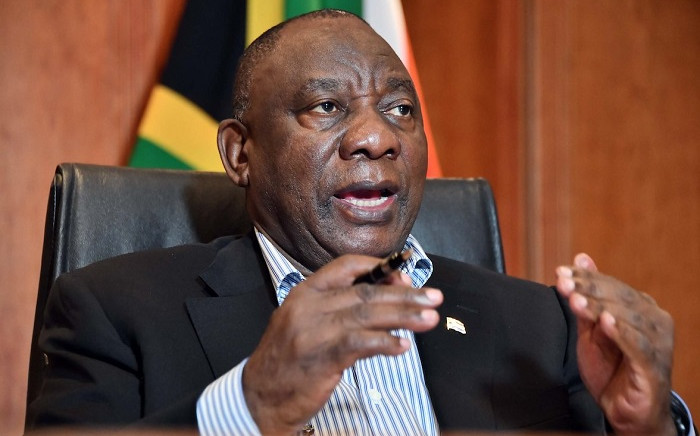
PRESIDENT Cyril Ramaphosa says 28 years into democracy, there are still barriers preventing black entrepreneurs from meaningful and equitable participation in the economy.
Ramaphosa was speaking at the opening of the inaugural Black Industrialists and Exporters Conference, Sandton Convention Centre, Johannesburg.
The conference was attended by the Minister of Trade, Industry and Competition, Ebrahim Patel, Minister of Finance, Enoch Godongwana, President of COSATU Zingiswa Losi and members of the Broad-Based Black Economic Empowerment Advisory Council, representatives of business and industry, and leaders of the Black Business Council (BBC) and Business Unity South Africa (BUSA).
He said black entrepreneurs continue to have difficulty accessing finance, markets, technology and infrastructure.
There is also red tape and other bureaucratic obstacles, said Ramaphosa.
“On a wider scale, there is also the concentrated nature of the economy and ownership patterns, and exclusion from major value-chains,” said Ramaphosa.
“While we are here to deliberate
You’ve reached your free article limit
Subscribe to enjoy unlimited access to trusted journalism. Cancel anytime.
Subscribe nowNeed help? molokom@insidepolitic.co.za






