

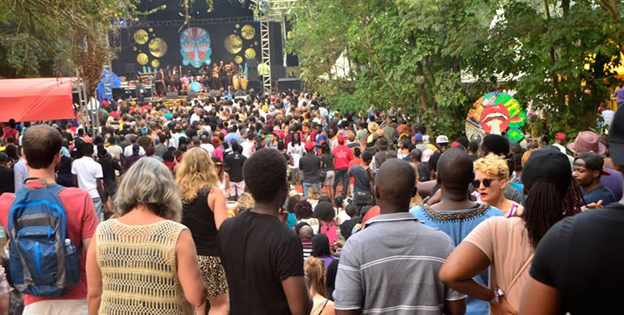


First staged in 2015, the globally touted Nyege Nyege Festival in Uganda is an annual four-day dance party featuring hundreds of deejays. It’s also a major tourism drawcard that caters to 15,000-odd lovers of electronic dance music.
However, Nyege Nyege is most often in the headlines for creating controversy. Last year the event, the first after a three-year break due to COVID-19, nearly didn’t happen. Uganda’s parliament banned it – and not for the first time – on the grounds that it promoted “sexual immorality”. Eventually the prime minister gave it the go-ahead. This year the festival, being held at a new venue, has faced controversy over the threat of terrorist attacks. Tourism lecturer Amos Ochieng has studied the festival and explains its ongoing dilemmas.
Why is the event in the headlines this year?
There were terror threat warnings just a few days before the opening of this year’s festival.
You’ve reached your free article limit
Subscribe to enjoy unlimited access to trusted journalism. Cancel anytime.
Subscribe nowNeed help? molokom@insidepolitic.co.za






