
15.1 C
Johannesburg
- Advertisement -

African leaders punt public-private partnerships

- Advertisement -

Must read

By Johnathan Paoli

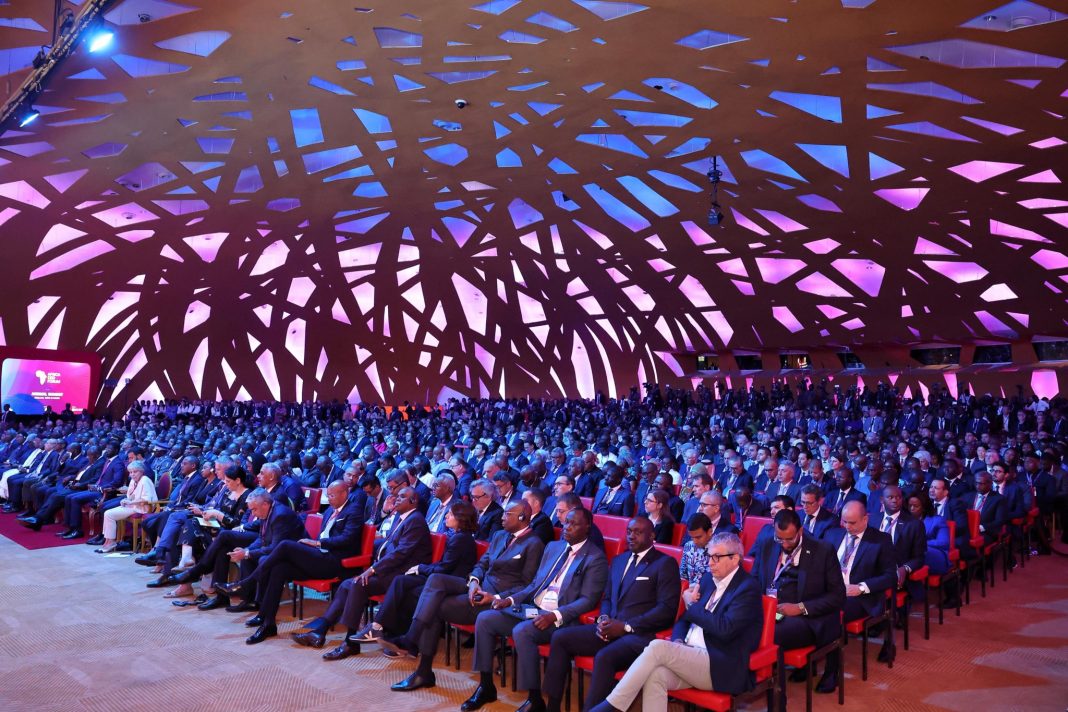
In a panel discussion at the Africa CEO Forum, four African heads of state gathered to address the critical issues of economic integration, sovereignty and the evolving role of the private sector.

The presidential panel, titled “Towards a Powerful Africa: The Road to Economic, Political, and Commercial Integration”, saw President Cyril Ramaphosa, Rwandan President Paul Kagame, Côte d’Ivoire Vice-President Tiémoko Meyliet Kone and President Mohamed Cheikh El-Ghazouani of Mauritania tackle the complexities of Africa’s economic future.

Central to the conversation was the relationship between the public and private sectors.

According to Ramaphosa, Africa’s economic transformation depended on a robust partnership between the two.

“We need the private sector to work hand-in-hand with the public sector. We have a continent with a $3.4 trillion GDP and 1.4 billion people — this is a market that the private sector must actively engage in. The African Continental Free Trade Area (AfCFTA) provides the platform for this, and we must ensure that infrastructure is prioritised to drive this growth,” he said.

Ramaphosa stressed that the AfCFTA was more than just a trade agreement; it was a fundamental shift toward a unified economic vision for Africa.

“The AfCFTA will open the floodgates for economic activity on our continent, but it requires both the public sector to provide enabling infrastructure and the private sector to engage in the growth process,” he said.

Kagame echoed Ramaphosa’s call for a strategic partnership between public and private sectors.

“Africa cannot rely on external aid forever,” Kagame noted. “We have to take ownership of our future. The opportunities are here, and we must act collectively as a continent to build the momentum toward resilience and independence.”

He emphasised that Africa’s ability to stand tall on the global stage relies on internal collaboration and a shift away from dependency on foreign aid.

Kone underscored the critical importance of good governance in creating the right conditions for economic growth.

“We need to have the right framework for the private sector to thrive. Governance is the backbone of economic development,” Kone stated, adding that the Ivorian government’s five-year development plan, which focused on infrastructure and governance reforms, has already delivered strong growth, with the country achieving an annual growth rate of 7%.

El-Ghazouani drew attention to a crucial issue of private sector security.

“A committed government that ensures the safety and stability of the private sector is essential for it to thrive,” he said, adding that in Mauritania, public-private partnerships were already playing a significant role in driving the country’s economic and energy sectors.

His government has worked to reform public policies, making the private sector an integral part of Mauritania’s development.

While the AfCFTA promises significant opportunities, there remains a gap between potential and reality.

Ramaphosa acknowledged the challenges of full implementation.

“The AfCFTA is a transformative mechanism, but politics and cooperation need to improve. Africa’s governments must demonstrate consistent political will to ensure its success. This requires significant effort, including the development of a genuine pan-African payment system,” Ramaphosa said.

Kagame also expressed frustration with Africa’s pace of implementation.

“We have everything we need, the resources, the knowledge and the organisations, but we are not moving as fast as we should. We still export raw materials and import finished products, and we need to stop depending on others for what we can do ourselves,” he said.

Despite the challenges, the panelists agree that Africa’s future lies in its hands.

“We have the talent, we have the resources and we must find ways to unlock them,” Ramaphosa emphasised, noting that the continent could become the next global hotspot for talent.

This, he argued, required a renewed commitment to skill-building and infrastructure development.

El-Ghazouani added that Mauritania’s commitment to improving the business climate, particularly in energy and SMEs, could serve as a model for other African nations.

“Public actions, such as our energy reforms, combined with a dynamic private sector, will foster economic growth and job creation,” he said.

In conclusion, the discussion revealed both the immense potential and significant challenges Africa faces in achieving economic integration and sovereignty.

Kagame stressed that the time for Africa to take control of its destiny was now, and te continent could not wait for others to do what Africans were fully capable of doing for themselves.

The panelists agreed that the road to a powerful Africa, marked by economic, political, and commercial integration, would require continued collaboration between the state and the private sector, visionary governance, and a commitment to AfCFTA.

INSIDE POLITICS

More articles

LEAVE A REPLY

Please enter your comment!
Please enter your name here

Inside Metros G20 COJ Edition

JOZI MY JOZI

QCTO

Inside Education Quarterly Print Edition

Latest article



