
14.2 C
Johannesburg
- Advertisement -

Government reiterates appeal for private sector involvement in infrastructure projects

- Advertisement -

Must read

By Staff Reporter

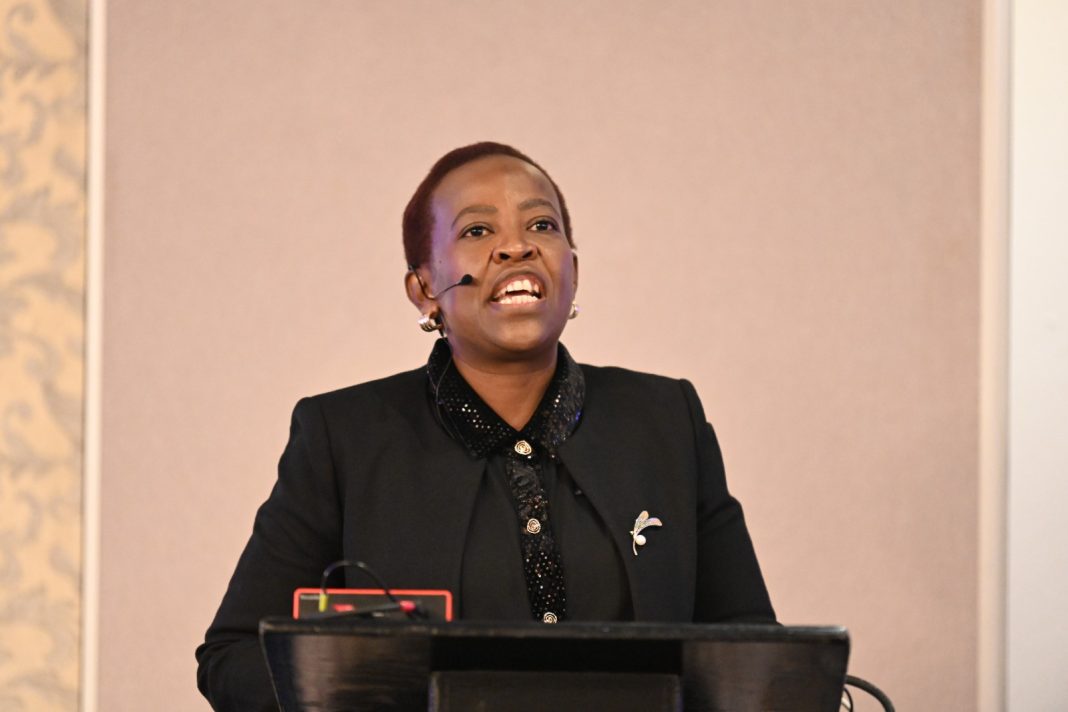
South Africa’s infrastructure drive must include regional integration and public-private cooperation for it to be a success, according to Minister in the Presidency for Planning, Monitoring and Evaluation, Maropene Ramokgopa

She told a Federated Employers Mutual Assurance Company (FEM) construction industry breakfast that there had been momentum around turning South Africa into a construction site and realising the vision President Cyril Ramaphosa of infrastructure being a “flywheel for development” in the country.

Ramakgopa said partnerships were critical to mobilising resources, and they must lead to cooperation agreements that accelerate the development and implementation of key infrastructure projects.

Following the recent adoption of the second phase of Operation Vulindlela, the government was actively and continuously engaging the private sector, research and academic institutions, civil society and labour to deepen collaboration to accelerate development, the minister said.

These engagements were also aimed at enhancing the state’s monitoring and evaluation systems and ensuring impactful governance.

“These partnerships put us in a better position to finance for development, enhance service delivery and ensure that we foster inclusive growth in the country and leave no one behind,” she told the breakfast.

Just as important, was at advancing partnerships on the African continent.

Ramokgopa said South Africa’s national development was inextricably linked to that of the continent, and, therefore, infrastructure must drive regional integration, promote trade and support industrialisation across Africa.

The country was advancing collaboration and partnership in accelerating regional infrastructure projects through the African Union’s Presidential Infrastructure Championing Initiative (PICI), which is led by Ramaphosa.

She reiterated that the country must also collectively promote infrastructure development as key to trade and investment through the African Continental Free Trade Area.

The government has identified investment in infrastructure as a catalyst for inclusive growth and development.

However, increasing public infrastructure spending required stimulating private sector investment through public-private partnerships, the minister said.

This investment would enable industrialisation and support job creation.

“This will go a long way towards enabling infrastructure development in the country to address inequalities and stimulate inclusive growth through improving access to energy, water, transport, logistics, and digital services for businesses and communities. Infrastructure development must enable shared prosperity in our communities,” Ramokgopa said.

She applauded the FEM for bringing stakeholders in the construction together, saying this collaborative approach would help address persistent challenges.

INSIDE POLITICS

More articles

LEAVE A REPLY

Please enter your comment!
Please enter your name here

Inside Metros G20 COJ Edition

JOZI MY JOZI

QCTO

Inside Education Quarterly Print Edition

Latest article



