
15.1 C
Johannesburg
- Advertisement -

Motsoaledi calls for perseverance in the fight against HIV/Aids

- Advertisement -

Must read

By Johnathan Paoli

Health Minister Aaron Motsoaledi has called for renewed attention to global setbacks and local efforts to close critical treatment gaps in the fight against HIV/Aids, particularly in the face of declining international funding.

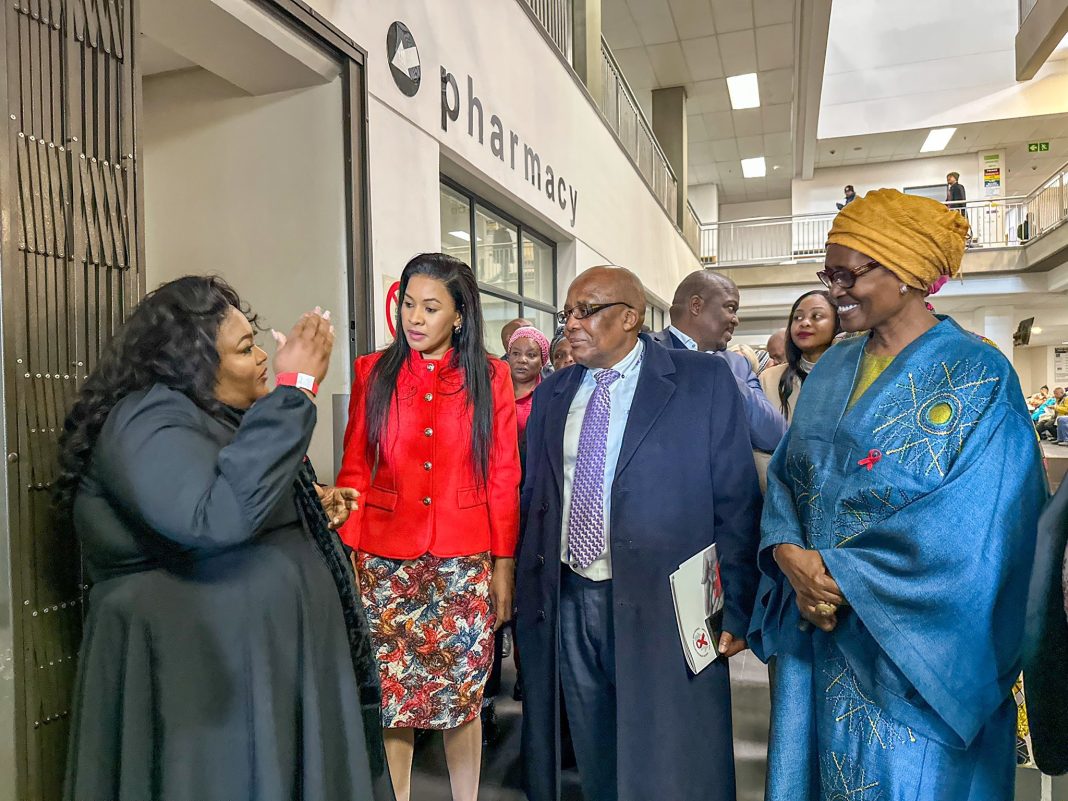
Motsoaledi, who was joined by United Nations Aids executive director Winnie Byanyima, launched the 2025 Global Aids Update at Bertha Gxowa Hospital in Germiston, Ekurhuleni, on Thursday.

He reaffirmed the government’s commitment to addressing the scourge.

“We don’t want to remain number one in HIV cases, we want to become number one in eliminating HIV. That’s our plan. Like smallpox, HIV can become something we only read about in history books,” Motsoaledi said.

Byanyima sounded the alarm over what she called a “ticking time bomb” for the global HIV/Aids response.

While 2024 saw substantial progress in reducing new infections and AIDS-related deaths, she warned that the sudden withdrawal of major donor funding, particularly from the United States, combined with a broader erosion of global aid consensus, was now placing millions of lives at risk.

“If this funding gap is not urgently addressed, we estimate six million new HIV infections and four million Aids-related deaths between 2025 and 2029.

“The services are collapsing in some places. Health workers have been sent home, and people—especially children and key populations—are being pushed out of care,” Byanyima said.

She also raised concerns over the growing criminalisation of same-sex relationships, gender expression and drug use, which were deterring vulnerable communities from seeking treatment.

Still, the report acknowledges resilience, with 25 out of 60 countries increasing their domestic HIV budgets for 2026. South Africa is among them.

Gauteng health and wellness MEC Nomantu Nkomo-Ralehoko used the platform to unveil the province’s 1.1 Million ART Gap Campaign, which aims to place over 326,000 people currently living with HIV on treatment, contributing to the national drive to meet UNAIDS’ 95-95-95 targets.

“We are proud to have achieved 94% of people knowing their status, with 83% on treatment and 93% virally suppressed. But we know that young people and men remain the hardest to reach, especially after the second wave of Covid-19,” Ralehoko said.

The campaign will target universities, informal settlements, townships and hostels, backed by radio outreach and corner-to-corner campaigns.

Ralehoko noted new approaches such as clinics inside taxi ranks, the first of which opened in Orange Farm in partnership with the private sector and taxi associations.

This, she explained, reduced stigma and made services more accessible to men who may otherwise avoid clinics.

Despite funding constraints forcing some NGOs to scale back or shut down, Ralehoko emphasised continued collaboration with civil society and the Gauteng Aids Council.

The province has also trained 200 new HIV testing counsellors and deployed mobile clinics to improve access.

“This is not just about health data, it’s about human lives. We will not let anyone be left behind,” she said.

Motsoaledi reflected on the country’s long-standing leadership responding to HIV.

Recalling the 2010 launch of the world’s largest HIV testing campaign in Ekurhuleni, Motsoaledi said South Africa was now treating 5.9 million people with antiretrovirals, the largest cohort in the world.

He praised the increase in life expectancy, which rose to 66 years, and celebrated the dramatic reduction in maternal mortality and mother-to-child transmission.

The event concluded with a united call from UNAIDS, South African officials and civil society for renewed global solidarity.

Byanyima warned that while local progress was inspiring, international donor retreat could devastate health systems in poorer countries.

“This is a global disease. If it festers in one region, it endangers all. We need rich countries to match the courage and commitment shown by countries like South Africa,” she said.

The update sets the tone for the upcoming Scientific Aids Conference, which begins in Kigali in Rwanda next week. Global leaders are expected to recommit to ending Aids as a public health threat by 2030.

INSIDE POLITICS

More articles

LEAVE A REPLY

Please enter your comment!
Please enter your name here

Inside Metros G20 COJ Edition

JOZI MY JOZI

QCTO

Inside Education Quarterly Print Edition

Latest article



