
14.2 C
Johannesburg
- Advertisement -

More needs to be done to ensure women access to economic power, says Pandor

- Advertisement -

Must read

By Johnathan Paoli

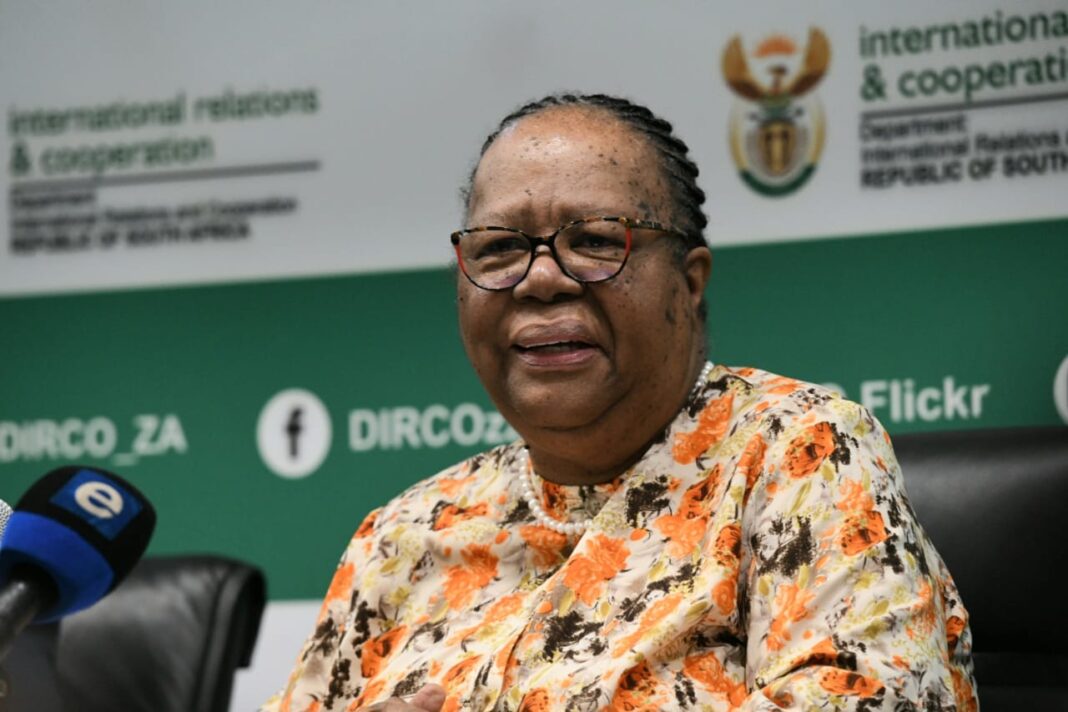
Despite decades of progress since the iconic 1956 Women’s march, South African women remain largely excluded from meaningful economic power, according to Nelson Mandela Foundation chairperson and former International Relations minister Naledi Pandor.

Speaking during a recent interview alongside her daughter, scientist and entrepreneur Aisha Pandor, the former cabinet minister stressed that South Africa has not yet broken free from the historical legacies of apartheid that continue to shape women’s realities today.

“African women, Black women in particular, continue to face the triple challenges that we used to speak of when we were theorising the economics of apartheid. They are Black, they are without skills, without high-level education and they live primarily in rural areas. Those triple challenges impact extremely negatively on women and continue to place them in a situation of inequality and disadvantage,” she told the SABC.

The former minister reflected on the enduring structural barriers facing women, particularly Black women, in business and the workplace, emphasising that these systemic disadvantages required urgent attention, particularly in the economic sphere where women remained underrepresented and under-supported.

Pandor underlined that despite progressive laws and policies promoting equality, women remain sidelined in economic decision-making and ownership.

“Women do not as yet enjoy access to economic power. We need to have more women entrepreneurs provide direct support to women who aspire to be business owners and employers and ensure that the disadvantage of being in an unequal society does not curb their ambitions,” she said.

She called for reforms in tax legislation to recognise women’s unpaid labour, particularly domestic and caregiving work, which continued to fall disproportionately on women despite modern shifts in family structures.

“We must begin to look at how we can reward women through the taxation system for their contribution through work at home and support to children,” Pandor said.

Aisha Pandor, co-founder of SweepSouth and a recognised figure in South Africa’s technology and business sector, echoed her mother’s call for structural change, arguing that building female-owned businesses was key to shifting the balance of economic power.

“In the field that I’m in as a technology entrepreneur, women receive around 2% of funding globally that goes into start-up businesses. Black women receive a fraction of that, probably around 0.2%. So, there’s still a lot to be done,” she said.

Through SweepSouth, Aisha and her team have created work opportunities for over 50,000 women, many of whom were unemployed or underemployed.

“As these women work, they are able to take care of their families, become economically active and move upward. That’s the power of supporting women-led businesses,” she added.

Both Pandors linked today’s struggles to the legacy of the women who marched against apartheid pass laws on 9 August 1956.

Naledi Pandor described their bravery as “immense courage and an incredible commitment to freedom”, noting the extraordinary feat of organising more than 20,000 women from all walks of life in a united act of defiance.

Looking at transformation policies such as Black Economic Empowerment, she said more rigorous monitoring and enforcement is needed to ensure women truly benefit.

She also stressed that equal pay for equal work remained a glaring gap in practice.

Yet, she struck an optimistic note when speaking about her experiences in government, particularly in the Science and Technology Department, saying the task now was to build on that talent and ensure women’s economic contribution was fully recognised.

INSIDE POLITICS

More articles

LEAVE A REPLY

Please enter your comment!
Please enter your name here

Inside Metros G20 COJ Edition

JOZI MY JOZI

QCTO

Inside Education Quarterly Print Edition

Latest article



