
- Advertisement -spot_img

Key SOEs point to economic recovery ahead

- Advertisement -spot_img

Must read

By Thebe Mabanga

Last Friday, two key State-Owned Enterprises (SOEs) made announcements that suggest South Africa’s economic recovery might be gaining momentum, with the potential to translate into sustained growth.

Transnet and Eskom, two of the country’s largest and most critical entities, were in the spotlight.

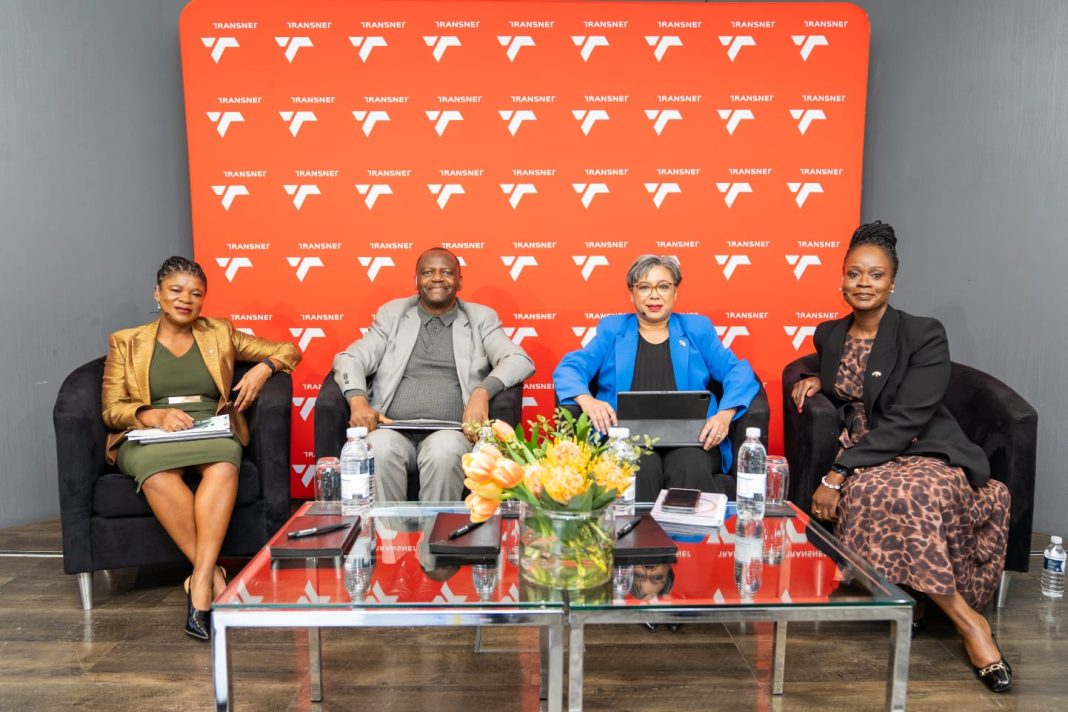
Transnet released its results for the year ending March, while Eskom unveiled its summer outlook for the period September to March next year.

Together, they carry responsibility for unlocking two of the economy’s most stubborn constraints: a reliable electricity supply and the efficient performance of the logistics backbone – rail, and ports – which moves container goods, fresh produce, minerals, and automotives to global export markets while bringing imports from abroad.

Without these two functions, no modern economy can operate effectively.

Which is why it was encouraging to hear both Transnet and Eskom report signs of recovery under new boards and executive leadership, after years of mismanagement and chronic underperformance.

Transnet reported a 7.8% rise in revenue to R82.7 billion, while narrowing its loss by 74% – from R7.3 billion to R1.9 billion.

Cash generated from operations after working capital changes stood at R28.6 billion.

Eskom, meanwhile, forecast no load shedding for the summer of 2025/2026, a remarkable turnaround from the dark summer of 2023/2024, when South Africans endured 176 days of outages, with electricity available just 17% of the time.

This improvement stems from Eskom’s recovery plan, which has lifted available power to 51.4 GW.

Since 2023, Eskom has restored 7.8 GW of capacity, including 1.4 GW from Medupi Unit 4 and Kusile Unit 6 this year, evidence that its much-delayed, over-budget build programme is finally bearing fruit.

The utility has also slashed reliance on costly Open Cycle Gas Turbines, cutting diesel expenditure from R33 billion in the year to March 2024 to R17 billion in the year to March this year.

Transnet, for its part, delivered a major reform milestone: the introduction of third-party rail access.

Preparing for this required several steps, including the creation of a new operating division, Transnet Rail Infrastructure Manager (TRIM), which separates infrastructure management from rail operations and opens the way for private operators to apply for slots.

Another milestone was the finalisation of the Draft Network Statement, setting out the terms of access, including weight limits and tariffs, on key rail corridors.

This enabled Transport Minister Barbara Creecy to appoint 11 Train Operating Companies (TOCs) as the first participants in the scheme.

Transnet has also invested in critical equipment and welcomed private sector participation at ports, leading to reduced truck waiting times, particularly at Durban, Cape Town, and the Eastern Cape hubs of Gqeberha, East London, and Ngqura.

Beyond Eskom and Transnet, two other SOEs reported strong performances that reinforce the recovery narrative.

The Development Bank of Southern Africa (DBSA) posted a record profit of R5.3 billion, with collections of R27.4 billion on its R114 billion loan book.

More importantly, it mobilised R91 billion for infrastructure development, including projects in underserviced municipalities.

The Airports Company of South Africa (ACSA) also recorded a R1.1 billion profit and launched an R861 million refurbishment programme, enhancing airport infrastructure and cargo handling capacity, complementing Transnet’s logistics role.

Together, these gains across electricity, logistics, and infrastructure signal that South Africa’s fragile economy may finally be edging toward more durable growth.

INSIDE POLITICS

More articles

LEAVE A REPLY

Please enter your comment!
Please enter your name here

AVBOB STEP 12

spot_img

Inside Education E-Edition

spot_img

Inside Metros G20 COJ Edition

spot_img

JOZI MY JOZI

spot_img

QCTO

spot_img

Latest article



