
16.5 C
Johannesburg
- Advertisement -

Mkhwanazi grilled over PKTT closure, rogue units, and syndicate links

- Advertisement -

Must read

By Johnathan Paoli

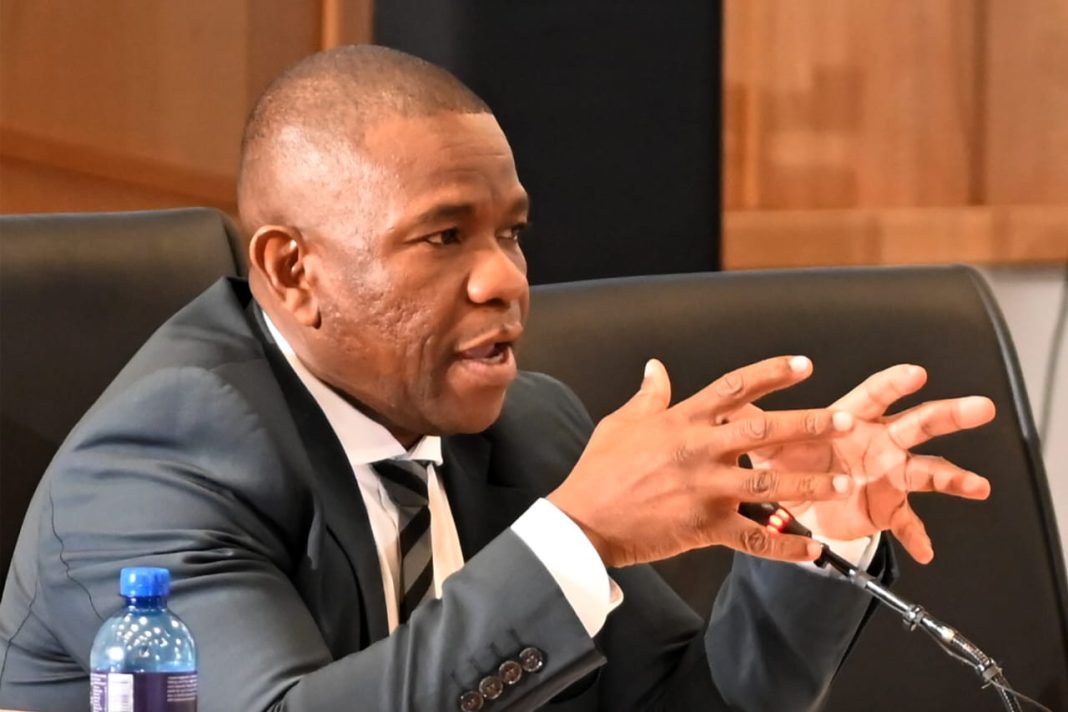
KwaZulu-Natal Police Commissioner Lieutenant-General Nhlanhla Mkhwanazi came under intensive questioning from MPs as Parliament’s ad hoc committee began the second day of its probe into his July claims of political interference, criminal syndicates and corruption within South Africa’s justice and security structures.

Addressing the committee in Cape Town, Mkhwanazi stressed how the December 31 directive disbanding the Political Killings Task Team (PKTT) illustrates the insidious nature of justice being manipulated in the country.

“The minister’s (former police minister Senzo Mchunu) letter did not break any law, but he exercised powers that were not his. If you disband a unit investigating criminal cases without replacing it, you are breaking the law,” Mkhwanazi told the committee.

Committee chair, Soviet Lekganyane, noted Democratic Alliance (DA) MP Dianne Kohler Barnard was attending virtually after questions about her recusal had gripped the committee late into Tuesday night.

DA MP Ian Cameron confirmed Lisa Schickerling had been appointed as the DA’s alternate, in lieu of Glynnis Breytenbach.

African National Congress (ANC) and uMkhonto weSizwe Party (MKP) members started the question session.

ANC MP and head of the Portfolio Committee on Justice and Constitutional Development Xola Nqola pressed Mkhwanazi on the legality of the PKTT’s closure.

Mkhwanazi said he had already laid a criminal complaint of defeating the ends of justice, with the case “at an advanced stage” and investigators were examining WhatsApp exchanges between Police Minister Senzo Mchunu and his chief of staff, Cedrick Nkabinde.

Asked who influenced Mchunu to disband the task team, Mkhwanazi said he suspected “a person linked to the Minister of Police, and my belief is it is a person within the police”.

He singled out politically connected businessman Brown Mogotsi, whom he accused of accessing sensitive police information.

Pressed by ANC MP Thokozile Sokanyile, Mkhwanazi said only the national commissioner had the authority to dissolve the task team.

“For the minister to choose one team [to be disbanded] and decide it is not adding value is problematic,” he said.

He added that Mchunu should explain his actions to Parliament, contrasting Mchunu with former minister Bheki Cele, who, though hands-on, “respected the chain of command”.

Mkhwanazi named two alleged members of the so-called “Big Five” syndicate, Vusimusi “Cat” Matlala and Katiso Molefe, while withholding others’ identities pending court processes.

He accused correctional services officials of enabling syndicate bosses to operate from prison.

Matlala, he said, had been caught with a cellphone in custody.

The commissioner also sharply criticised the Investigating Directorate Against Corruption (IDAC), which he said had a “rogue section” staffed by unqualified individuals, including former Crime Intelligence officer Brian Padayachee.

“He’s a pawn in a game,” Mkhwanazi said, adding that Padayachee had been given “carte blanche” access to intelligence offices.

He linked the arrest of Crime Intelligence head Lieutenant General Dumisani Khumalo by IDAC to attempts to derail a counterintelligence investigation in Gauteng into drug networks.

Despite not being at liberty to talk about it, Mkhwanazi insisted Khumalo faced attacks from criminals and from rivals within the police opposed to his reforms.

MK Party MPs David Skosana and Sibonela Nomvalo joined questioning, pushing Mkhwanazi on the Senzo Meyiwa murder case, alleged interference in the Tembisa Hospital scandal, and IDAC’s legal mandate.

Mkhwanazi confirmed there was “rot” within both the NPA and IDAC, echoing National Director of Public Prosecutions Shamila Batohi’s earlier warnings.

Mkhwanazi criticised the collapse of the Inter-Ministerial Committee on Political Killings, which last met in September 2023.

“The new minister might not even have been aware that there was an IMC,” he said, warning that poor handovers between administrations left critical structures abandoned.

He alleged junior officers had bypassed the chain of command to brief executive politicians, producing WhatsApp evidence showing a deputy minister being advised on how to hold the national commissioner accountable.

Asked whether President Cyril Ramaphosa had been unhappy with the PKTT, Mkhwanazi replied: “I was not informed of that. After my press briefing, the President publicly said the PKTT was doing a good job. It makes me believe the President wasn’t even aware of what the minister decided.”

Mkhwanazi warned that Crime Intelligence officers in Gauteng were at risk after their safe house photos were leaked, saying Kohler Barnard had referenced them in a statement.

He also accused journalists of endangering lives by exposing such locations.

On broader reforms, he complained that current laws give “more rights for those in prison than those working on the street,” and suggested magistrates’ bail discretion fuel crime.

Asked why he went public with his allegations of criminal infiltration of the police force, Mkhwanazi cited both duty and personal reasons.

“My own nephew is battling a drug addiction. If we continue to keep quiet, there will be no country left. As a police officer, I could not keep quiet and allow wrongdoing to happen,” he said.

The hearings continue.

INSIDE POLITICS

More articles

LEAVE A REPLY

Please enter your comment!
Please enter your name here

Inside Metros G20 COJ Edition

JOZI MY JOZI

QCTO

Inside Education Quarterly Print Edition

Latest article



