
- Advertisement -spot_img

Treasury moves to develop Carbon Credits market  

- Advertisement -spot_img

Must read

By Thebe Mabanga  

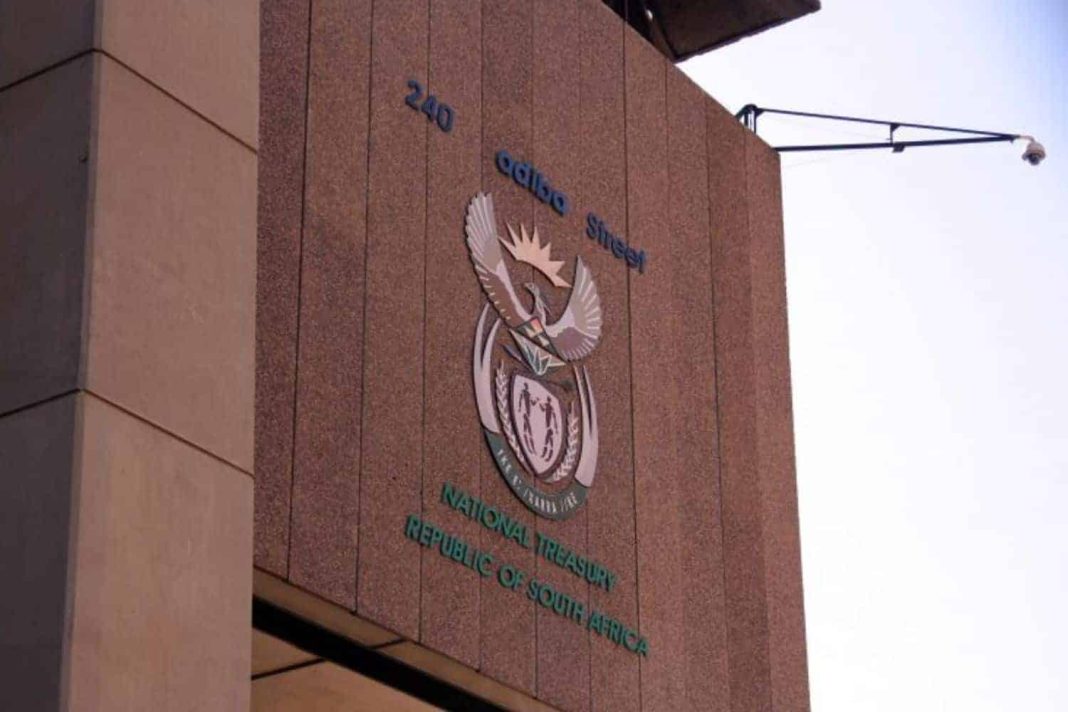
The National Treasury has announced new measures to further develop South Africa’s carbon credit market, as outlined in this year’s delayed Budget.

This is through publication of a consultation paper, titled Developing the South African Carbon Credit Market. 

“The consultation paper’s recommendations seek to modernise carbon credit infrastructure, clarify legal and financial regulations, and stimulate investment in South Africa’s low carbon projects,” the Treasury said in a statement.  

Carbon credits are tradable permits that allow countries and companies to offset their greenhouse gas emissions by funding mitigating measures such as renewable energy projects, or planting forests that act as carbon storage facilities.  

Two of the key aims of the discussion paper is to develop carbon credits as unlisted securities that can be traded over the counter and to supporting South Africa’s Nationally Determined Contribution (NDC) under the Paris Agreement by using “a well-regulated carbon market to meet South Africa’s emission reduction commitments…and  secure international recognition for high-integrity credits.”

South Africa is recognised as a global leader in the fight against climate change, and its adoption of NDCs set an international precedent.  

The paper aims to develop the market in three area covering seven policy priorities.

These are Policy and Regulation, Market Architecture as well as Financial Framework.

Under Policy and Regulation, the aim is to eliminate policy uncertainty around issuing of carbon credits from 2026 onwards and clarify government’s approach to Article 6 of the Paris Agreement, which outlines how South Africa will achieve its NDC goals.  

This would include the implementation of the Just Energy Transition Investment Programme (JETIP).

Funded by the $8.5 billion loans from rich countries given to South Africa at COP26 in Glasgow, Scotland, in 2021.  

Under market architecture, the paper hopes to resolve the high costs and long lead times associated with certification of projects for carbons credit issuance, while the financial framework aims to clarify the legal nature and classification of carbon and their regulatory treatment, including capital requirements which are currently viewed as stringent.  

The paper also aims to develop an exchange control framework to harmonise regulation between countries and enable cross border transfers.  

On the Classification of Carbon Credits, the paper aims to treat carbon credits as “unlisted securities” under the Financial Markets Act, thereby allowing over-the-counter trading, clearing, and settlement through regulated infrastructure.  

Treasury says this approach aims to facilitate broader financing for carbon projects, including participation from banks and asset managers and to enable optional listing for greater visibility while still permitting off-exchange, or Over the Counter, transacting.  

Treasury also aims to develop local accreditation standards to enable local bodies and practitioners to offer verification services to reduce costs and delays for product developers.  

South Africa introduced Carbon Tax in 2019, and the end of this year marks the end of the first phase of its implementation.

INSIDE POLITICS

More articles

LEAVE A REPLY

Please enter your comment!
Please enter your name here

CATHSSETTA

spot_img

AVBOB STEP 12

spot_img

Inside Education E-Edition

spot_img

Inside Metros G20 COJ Edition

spot_img

JOZI MY JOZI

spot_img

QCTO

spot_img

Latest article



