
By Johnathan Paoli
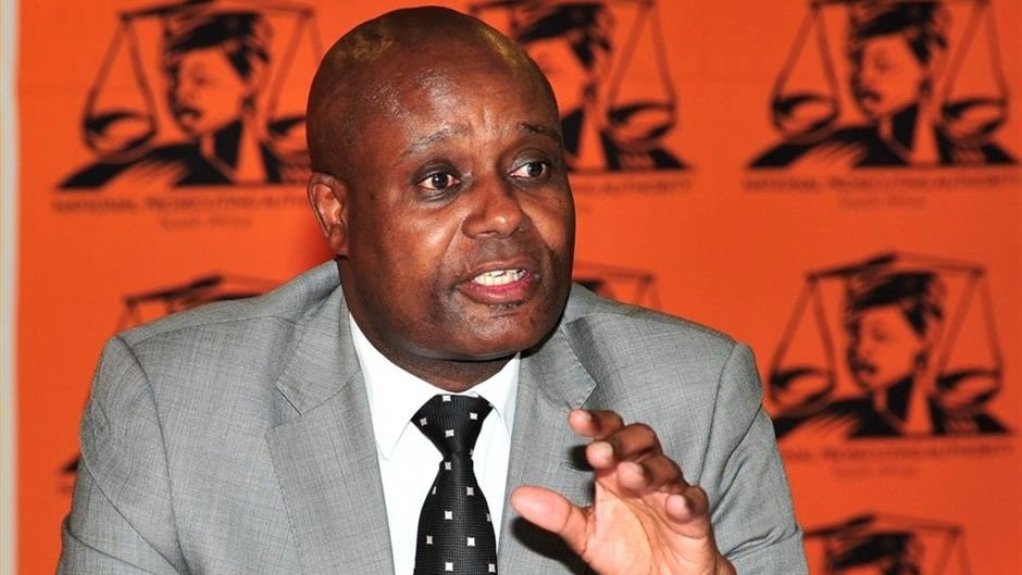
An inquiry into the fitness of suspended Gauteng Director of Public Prosecutions (DPP) Advocate Andrew Chauke to hold office is due to start on Monday in Pretoria.
President Cyril Ramaphosa suspended Chauke in July, almost two years after National Director of Public Prosecutions (NDPP) Shamila Batohi wrote to him raising concerns about several of Chauke’s decisions and asking that they be independently investigated.
The Presidency said at the time that Chauke’s continued tenure while facing serious allegations could harm the reputation of the National Prosecuting Authority (NPA).
Chauke has served as DPP for South Gauteng since 2011. He faced sustained criticism over his handling of high-profile cases, including matters involving senior police officials and politically connected individuals.
The inquiry will be chaired by retired Constitutional Court Justice Baaitse Elizabeth “Bess” Nkabinde. She will sit with advocate Elizabeth Baloyi-Mere SC and attorney Matshego Ramagaga, who was appointed in October to replace attorney Thenjiwe Vilakazi on the panel.
Advocate Phuti Setati has been appointed secretary to the inquiry.
The panel’s mandate is to determine whether Chauke remains a “fit and proper person” for the position and whether he acted in accordance with the Constitution, NPA Act, national prosecution policy, and the prosecutors’ code of conduct.
One of the key issues listed in the terms of reference is Chauke’s handling of the murder case against former Crime Intelligence head Richard Mdluli, arising from the 1999 killing of Tefo Abel ‘Oupa’ Ramogibe.
The inquiry will examine Chauke’s role in the withdrawal of murder and related charges, the strength of the evidence available at the time, and the delays that followed.
Mdluli was convicted in September 2020 of kidnapping, assault GBH, assault, and intimidation related to the Ramogibe case.
The panel will also look at the racketeering charges brought against former KwaZulu-Natal Hawks head Johan Booysen and members of the Cato Manor unit.
According to the terms of reference, Chauke is alleged to have driven and supported a racketeering authorisation in circumstances where there was no evidence justifying that decision. He also defended the stance in review proceedings and later sought to have the charges reinstated. Courts and legal commentators have raised questions about the evidentiary basis for those charges.
Batohi has also raised concerns about Chauke’s handling of the 2014 culpable homicide case involving former president Jacob Zuma’s son, Duduzane Zuma, following a fatal collision on the M1 highway in Johannesburg.
A magistrate found prima facie evidence of negligence.
Zuma was prosecuted and acquitted of culpable homicide in 2019, but Batohi’s concerns about Chauke’s initial reluctance to prosecute form part of the broader context of the inquiry into his decision-making.
Civil society organisations, anti-corruption groups and several political parties have for years called for action over these and other matters, arguing that questions around senior NPA officials should be formally tested. The establishment of the inquiry followed those calls and Batohi’s representations to the President.
Batohi is expected to testify on Tuesday.
At the end of the hearings, Justice Nkabinde must submit a report with findings and recommendations to the President.
Ramaphosa will then decide, in terms of the NPA Act, whether Chauke should be removed from office or face any other consequence arising from the inquiry’s findings.
INSIDE POLITICS



