
By Johnathan Paoli
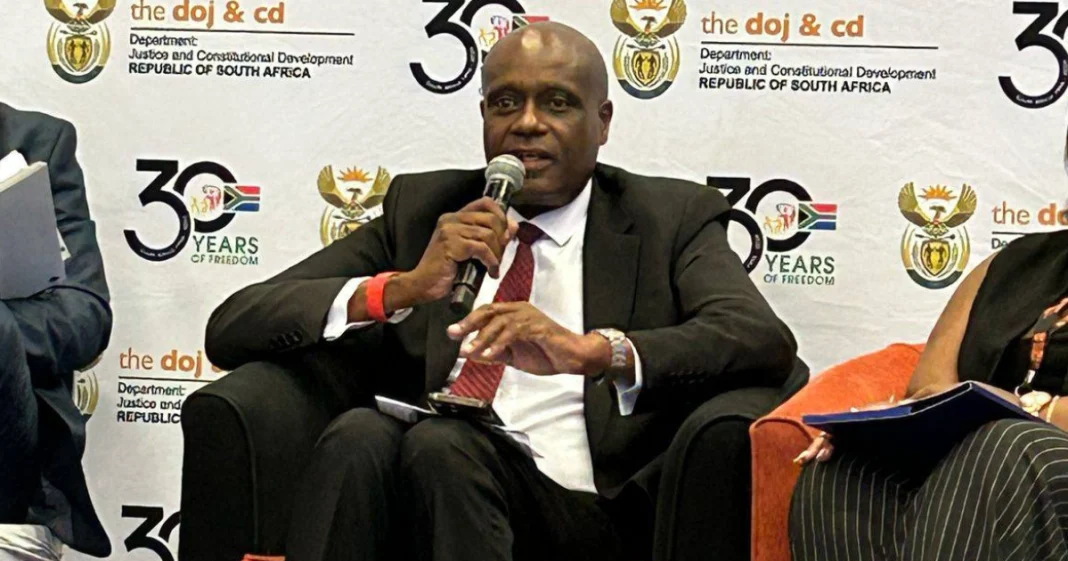
National Director of Public Prosecutions (NDPP) advocate Shamila Batohi returned to the stand at the Nkabinde inquiry, pressing concerns about the role suspended South Gauteng Director of Public Prosecutions (DPP) advocate Andrew Chauke played in several high-profile and controversial prosecutorial decisions.
The inquiry, chaired by retired Justice Elizabeth Nkabinde, is probing Chauke’s fitness to hold office following a formal complaint lodged by Batohi.
Batohi’s testimony this week has focused largely on the racketeering case involving Major-General Johan Booysen and members of the Cato Manor Organised Crime Unit, a matter that has long dogged the National Prosecuting Authority (NPA).
She told the inquiry that elements of the racketeering authorisation application submitted by former acting NDPP Nomgcobo Jiba had not been taken under oath, despite being presented as sworn evidence.
On Wednesday, the inquiry continued dissecting the evidentiary basis underpinning the Booysen racketeering charges.
According to testimony, investigators found that some of the statements used in the authorisation process were unsigned, hearsay, or lacked the substance required to justify the charges.
Batohi told the panel that even at the time the matter was escalated to the national office, senior officials questioned whether the evidence was sufficient.
Central to the discussion was the process through which the case was taken to the NDPP for a racketeering certificate.
Testimony revealed that when the evidence package was first reviewed by deputy directors, they noted missing key statements and raised concerns that it did not substantiate the allegations against Booysen and the unit.
Former deputy DPP Mark MacAdam reportedly flagged these defects with then-NDPP Mxolisi Nxasana, who later questioned why the KwaZulu-Natal DPP had been sidelined.
The inquiry also heard that Chauke, despite previously maintaining he acted only as a coordinator, appeared to have played a central role.
Documentary evidence placed him at the forefront of meetings, briefings, and decisions on whether to pursue an appeal after the Booysen ruling went against the NPA in 2014.
“It was agreed that counsel should prepare the application for leave to appeal while Chauke would brief the NDPP,” Batohi told the panel.
She added that she was not informed of any developments after that meeting and said evidence showed Chauke deeply embedded in decisions, contradicting his own claims of limited involvement.
She further highlighted an email in which Nxasana sought a written explanation from Chauke about why the Booysen matter was being handled in Gauteng although it originated in KwaZulu-Natal.
Batohi said this was the first documented indication that NPA leadership questioned Chauke’s role.
With proceedings closing the chapter on the Booysen and Cato Manor matters, the inquiry is now set to move to another contentious case: the withdrawn murder charges against former crime intelligence boss Lieutenant-General Richard Mdluli.
The panel is expected to begin examining the 1999 killing of Oupa Ramogibe, who reportedly told police shortly before his death that he feared for his life.
The inquiry will consider whether prosecutorial decisions in the Mdluli matter were improperly influenced, a line of questioning that may again place Chauke’s role under the microscope.
Chauke’s legal team is expected to call witnesses, and have signalled they will challenge Batohi’s assertions and seek to clarify Chauke’s role in several disputed decisions as well as cross-examination.
The inquiry continues on Thursday.
INSIDE POLITICS



