
By Johnathan Paoli
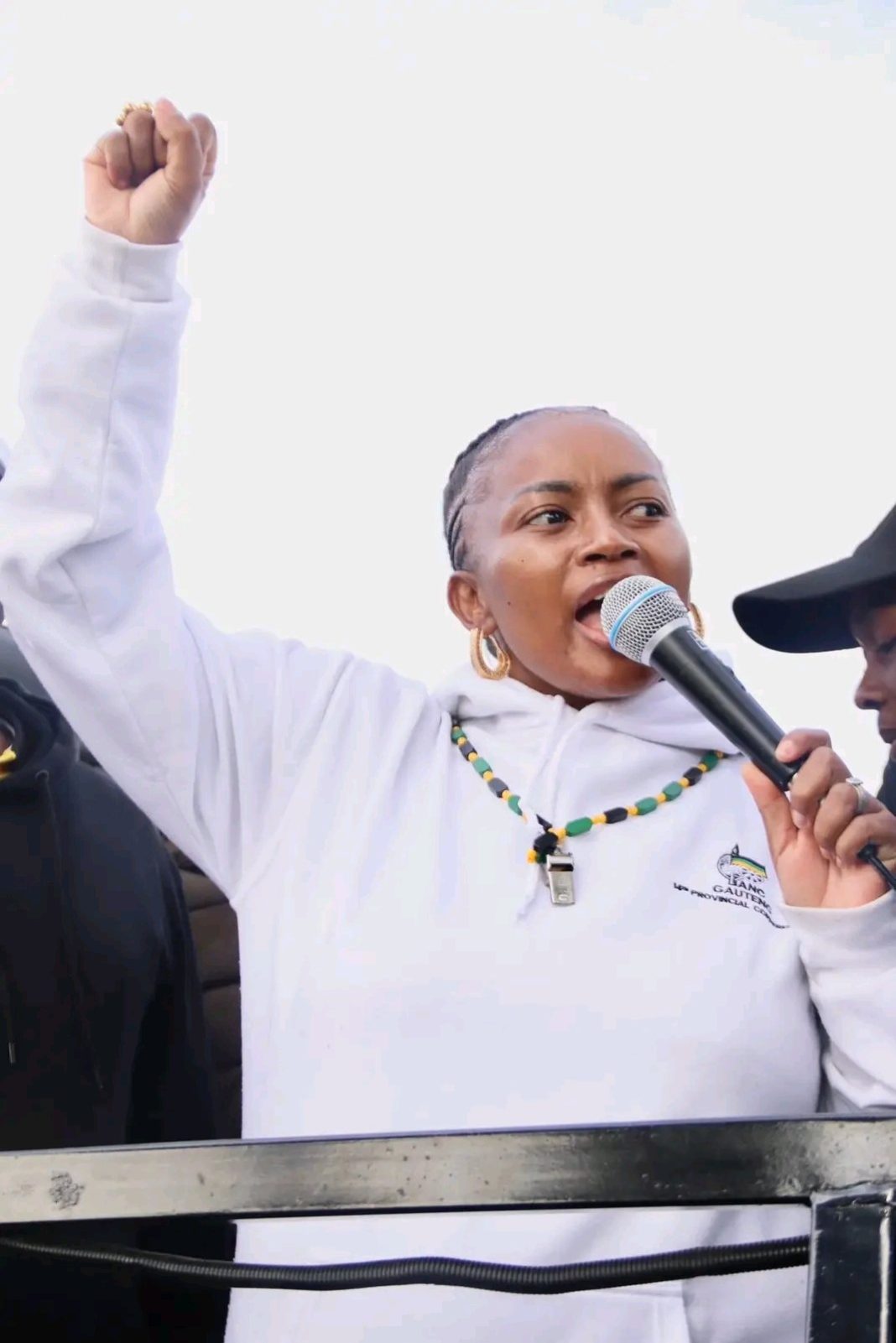
Newly elected African National Congress (ANC) Greater Johannesburg Regional Chairperson Loyiso Masuku has called on the party’s delegates to restore unity, discipline, and moral authority within the organisation as it confronts steep electoral decline and a demanding urban governance landscape.
Masuku was elected alongside Masilo Serekele as Deputy Chairperson, Sasabona Manganye as secretary. The Deputy Secretary is Lerato K Bob, and Maxwell Nedzamba was elected Treasurer.
The ANC first lost power at local government level, including in the City of Johannesburg, following the 2016 local government elections, which ushered in a period of governing through coalitions before the trend escalated to national level after the 2024 elections.
Masuku, who is also the MMC for Finance at the City of Johannesburg and is the first woman to lead the ANC in Johannesburg, delivered a resolute and impassioned closing address at the party’s 16th Regional Conference and framed her election as both a historic milestone and a solemn responsibility.
She told delegates that Johannesburg, as South Africa’s economic engine and a microcosm of its deepest inequalities, demanded courageous, ethical and people-centred leadership.
“I stand before you today with a heart full of humility and a spirit ignited by a profound sense of purpose. The trust you have placed in us as we wrap up the conference, to serve this organisation in Johannesburg, the economic heartbeat of our nation and continent, is not a privilege we take lightly. It is a mandate for renewal, a call to action, and a sacred covenant between the African National Congress and the people we are tasked to serve in Johannesburg,” Masuku said.
Throughout her address, Masuku confronted the ANC’s erosion of support in Gauteng and nationally, warning that the party was now firmly in an era of unstable coalitions, weakened public trust and internal factionalism.
“The voter is no longer patient and has become a vocal critic of our track record and ability to resolve basic service delivery challenges. The ballot, which was once an affirmation of the ANC’s programme, has become a tool of accountability to punish the ANC,” she said.
She described this political moment as a crossroads in which the ANC either renews itself and reclaims its founding values, or it continues its decline.
Renewal, she stressed, “required more than electing new leaders, it demanded a fundamental recommitment to the lived needs of South Africans.”
Masuku repeatedly invoked the legacy of women leaders, from Charlotte Maxeke to Lillian Ngoyi, grounding her own leadership in a tradition of selflessness and activism.
Being “a woman of firsts”, she said, was not a solitary victory but a collective breakthrough built on decades of struggle.
Turning to Johannesburg’s unique challenges, Masuku painted a stark picture of a city of immense economic power yet deep social fissures.
With a metro GDP exceeding R1.2 trillion and home to the Johannesburg Stock Exchange, Jozi remains Africa’s financial hub.
Yet it is also a city where youth unemployment surpasses 40%, infrastructure is collapsing, and inequalities remain entrenched across race, class and geography.
Leadership in Johannesburg, Masuku argued, must simultaneously pursue investment, spatial justice and inclusive growth.
She called for a decisive shift in public policy to support SMMEs, direct more of the City’s procurement spend to local businesses, and forge a “Social Compact for Investment” with major corporations to reinvest in communities.
She outlined priorities across housing, transport, water, energy and infrastructure, calling for the release of well-located land for private-public development, aggressive implementation of the City’s energy strategy targeting 150MW of solar generation, and urgent action to reduce the city’s 40% non-revenue water loss from ageing pipes.
Infrastructure renewal, she said, must blend public funding with private-sector appetite to catalyse development.
But for Masuku, the crisis confronting Johannesburg is not only material but also deeply psychological.
She noted that reversing the ANC’s decline depended on rebuilding trust and belonging in a city often defined by fear, transience and fragmentation.
“The true measure and significance of this leadership collective will also lie in the intangible realm: restoring hope and fostering a shared civic identity,” she said.
She stressed that unity and discipline were non-negotiable, warning that internal divisions had eroded the ANC’s ability to serve communities effectively.
Masuku committed the newly elected leadership to “listen, hear and act” on residents’ concerns, emphasising that the ANC could no longer assume voter loyalty.
“Our people want work, they want to be safe, they want to live in a clean City and they deserve to be respected, served and heard,” she said.
The conference concluded with the announcement of the 16th Regional Executive Committee Additional members including Zoleka Zide, Makhosazana Ndlela, Tokologo Ngoasheng, Mantombi Nkosi, Kgomotso Ramolobeng, Adolf Marema, Terence Nkosi, Mthunzi Mbuli, Sithembiso Zungu, Abraham Mabuke, PinkieNuma, Zanele Zondo, Eunice Mgcina, Tumelo Ramoshaba, Muzi Nkosi, Julius Maputla, Bonolo Ramokhele, Nandipha Zonela, Kgoerano Kekana, and Londiwe Mcwabe.
Closing her remarks, Masuku invoked Lillian Ngoyi’s famous declaration: “I am a woman of action. I cannot sit down and fold my hands while others are busy making history”; urging delegates to “get to work” and restore Johannesburg as a well-governed, inclusive city and the ANC as a trusted leader of society.
INSIDE POLITICS



