
14.2 C
Johannesburg
- Advertisement -

Unpaid salaries stalk ANC as packed NGC programme starts

- Advertisement -

Must read

By Johnathan Paoli

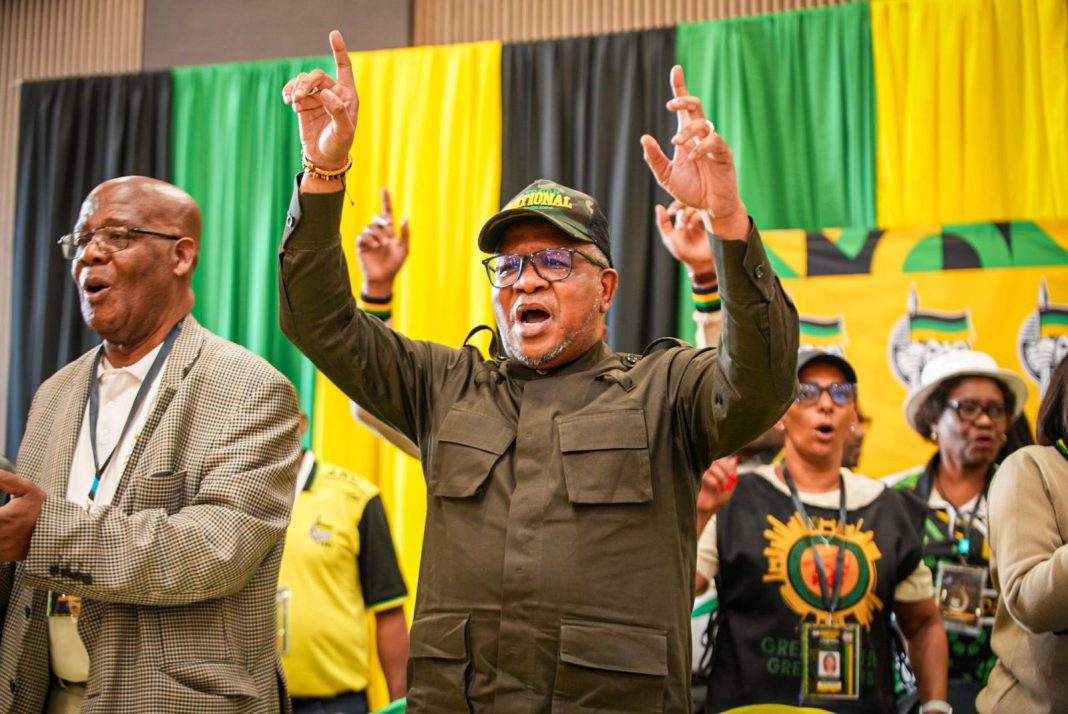
The ANC opened its 5th National General Council (NGC) on Monday under a cloud of internal financial strain, with unpaid Luthuli House staff salaries threatening to overshadow what the party insists will be a decisive week of organisational renewal.

While delegates arrived at the Birchwood Hotel and OR Tambo Conference Centre for the four-day gathering, some ANC employees continued picketing over delayed wages, an issue that resurfaced just hours before the NGC began.

The party has admitted it remains unable to pay all staff, with management-level employees still owed.

ANC Secretary-General Fikile Mbalula has said the party turned to intensive fundraising to stabilise its finances, adding that unpaid staff were mainly in management, starting with himself, while other employees had been paid.

“The issue of non payment of staff has been resolved, only senior managers such as myself are left outstanding. All junior staff have been attended to,” said Mbalula.

“We are resolving this issue with our fundraising efforts to ensure our staff bill is settled. The political parties funding bill affects us the most because we are the largest party. The model used to fund political parties has had a negative effect in relation to the bigger parties such as the ANC.”

His remarks came as the party attempted to reassure members and the public that protests would not disrupt proceedings.

The unpaid salaries may have dominated early headlines, but ANC leaders were determined to project stability and unity as the NGC formally opened on Monday morning.

National spokesperson Mahlengi Bhengu-Motsiri described the gathering as a critical mid-term review of the ANC’s performance since the 55th National Conference in 2022, and a moment to “renew, rebuild and recommit”.

She outlined a packed schedule for the opening day

The day begins with ANC President Cyril Ramaphosa’s high-level political overview, expected to set the tone for the week by assessing the national political environment, the ANC’s electoral position, and the state of government in a period marked by economic stagnation, service delivery failures and internal factionalism.

Mbalula will then deliver the NEC’s detailed mid-term assessment, covering: governance performance and shortcomings, especially in local municipalities; the impact of global geopolitical shifts on South Africa and ANC policy; the party’s 2026 election campaign outlook; progress on the ANC’s 10-point economic plan aimed at employment and inclusive growth; crime and corruption, with a dedicated commission set for later in the week; and internal organisational matters including branch functionality, membership systems and political education.

Bhengu-Motsiri said the report will only be made public once delegates have debated and adopted it.

In a session likely to draw intense scrutiny, given unpaid staff salaries, the Treasurer-General will present the ANC’s financial status.

Bhengu-Motsiri stressed that the party has received positive audit outcomes over the last two years, but acknowledged that ensuring the ANC’s financial sustainability remains a “core priority”.

After the morning plenaries, delegates will break into commissions to interrogate core themes: governance, economic transformation, organisational renewal, crime and corruption, and election strategy.

Mbalula has already warned that attempts to divert discussions toward succession battles, including speculation about President Ramaphosa’s future, will not be entertained.

The opening day will conclude with Freedom Charter Night, a commemorative event marking the end of the ANC’s year-long celebration of the Freedom Charter’s 70th anniversary.

The evening will include tributes to ANC centenarians, alongside cultural performances reflecting the party’s liberation heritage.

Despite the salary disputes and public scrutiny, COGTA Deputy Minister and ANC leader Dickson Masemola said the organisation remains firmly focused on meaningful debates about its turnaround strategy ahead of the 2026 elections.

Bhengu-Motsiri said the NGC begins as a reminder of “where we come from”, but more importantly, of the challenges the ANC must confront if it intends to stabilise itself and chart a credible path toward 2026.

INSIDE POLITICS

More articles

LEAVE A REPLY

Please enter your comment!
Please enter your name here

Inside Metros G20 COJ Edition

JOZI MY JOZI

QCTO

Inside Education Quarterly Print Edition

Latest article



