
- Advertisement -

Zuma, Mbeki: Khampepe’s NPA and TRC roles disqualify her from stalled apartheid cases inquiry

- Advertisement -

Must read

Simon Nare

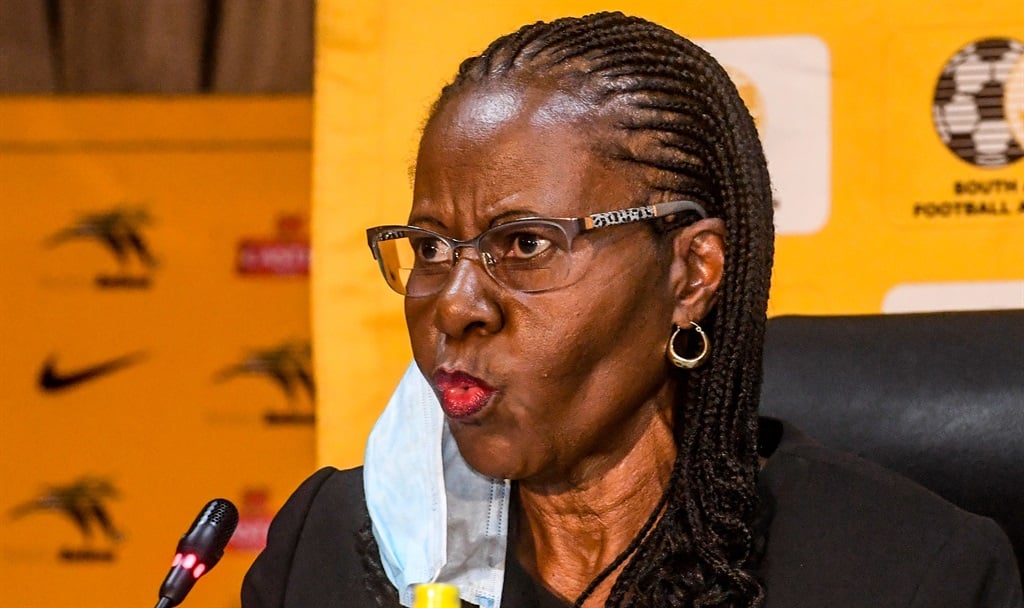
Former presidents Jacob Zuma and Thabo Mbeki say retired judge Sisi Khampepe is unsuitable to chair the inquiry into allegedly stalled apartheid-era prosecutions because of her past roles in institutions that are now under scrutiny, which could influence her impartiality.

President Cyril Ramaphosa established the commission last year after the government was taken to court by a coalition of 25 families — known as the Calata Group — to explain why many TRC cases were never properly investigated or prosecuted.

The group is named after applicant Lukhanyo Calata, whose father, Fort Calata, was one of the Cradock Four — anti-apartheid activists who were abducted and murdered by apartheid security forces in 1985.

Oral arguments in the matter have been set down for Friday.

In their heads of argument, the former presidents argue that Khampepe’s institutional involvement in matters which are claimed to be directly connected to the Truth and Reconciliation Commission (TRC) investigations and the National Prosecuting Authority (NPA) will create an “objectively grounded concern” that she may not bring the requisite detachment and impartiality to an inquiry scrutinising conduct and decisions of institutions in which she previously played “material roles”.

Zuma pointed to the fact that Khampepe was once the deputy of the NPA and also served as a member of the TRC Amnesty Committee, and that some witnesses who may appear before the commission could include former colleagues or superiors from the two institutions.

Zuma and Mbeki also questioned the manner in which Khampepe “handled” the alleged conflict of interest objections made against the commission’s Chief Evidence Leader, Advocate Ishmael Semenya SC, and her “endorsement” of an alleged procedurally irregular arrangement between him and the Calata Group’s counsel relating to the leading of evidence of certain witnesses.

“It is alleged that she provided undisclosed legal advice to Adv Semenya SC, including guidance on issues to address and submissions to advance through his legal representative, Advocate Vas Soni SC, in order to defeat the recusal application over which she was to preside,” Zuma said.

Zuma wants his application and that of Mbeki to be heard together as they share common ground.

He argued that the presumption in favour of impartiality must always be taken into account when conducting an enquiry into whether a reasonable apprehension of bias exists.

“First, there is an assumption that Judges are individuals of careful conscience and intellectual discipline, capable of applying their minds to a multiplicity of cases which will seize them during their term of office, without importing their own views or attempting to achieve ends justified in feebleness by their own personal opinions.

“Second, the presumption of impartiality has the effect that a judicial officer will not lightly be presumed to be biased. There is not only a presumption in favour of the impartiality of judges, but this is a presumption that is not easily dislodged,” Zuma said in the court papers.

The inquiry held its pre-hearing engagement late last year, and has since complained about a lack of compliance with requests for information.

It has issued several letters to current and former presidents, ministers of police and justice, national and provincial directors of public prosecutions, police commissioners, and directors of special investigations, requesting affidavits.

INSIDE POLITICS

More articles

LEAVE A REPLY

Please enter your comment!
Please enter your name here

AVBOB STEP 12

Inside Education Quarterly Print Edition

Inside Metros G20 COJ Edition

JOZI MY JOZI

QCTO

Latest article



