
24.2 C
Johannesburg
- Advertisement -

Advocacy group to protest for higher taxes on booze

- Advertisement -

Must read

By Charmaine Ndlela

Alcohol-related harm in South Africa remains a national crisis, the Southern African Alcohol Policy Alliance South Africa (SAAPA-SA) said on Wednesday as it prepared to protest outside Parliament in support of higher alcohol excise taxes.
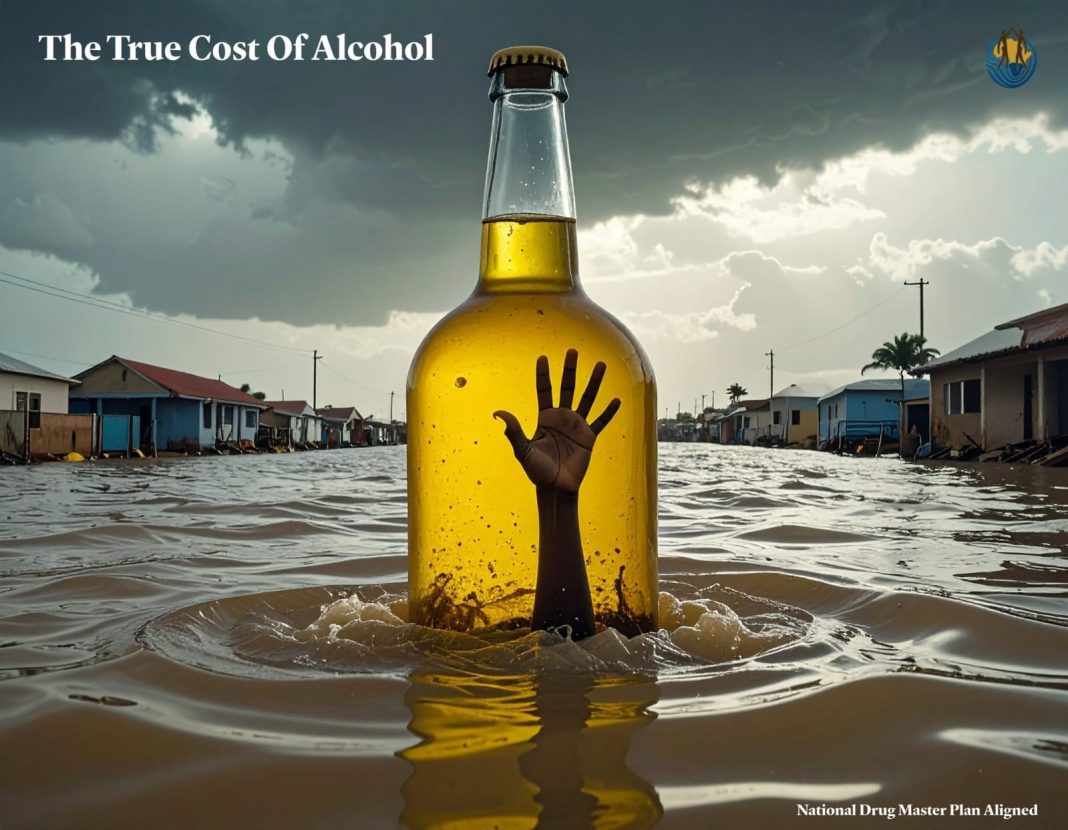
“The True Cost of Alcohol campaign highlights that alcohol-related harm in South Africa is affecting health, safety, families, and the economy,” SAAPA-SA Alcohol Taxation Campaign Director Nomcebo Dlamini told Inside Politics.

ALSO READ: Gcaleka recuses herself from complaint against parly secretary Xolile George

“Alcohol is currently too cheap relative to the harm it causes, and stronger public health policies, including increased excise tax, can reduce harm and save lives.”

Dlamini said the campaign aims to shift the debate away from blaming individuals and toward policy decisions that shape drinking patterns.

“This is a systemic policy issue, not just personal responsibility,” she said.

“It is a public health and social justice concern that requires national action.”

She said evidence supports taxation as an intervention.

“Increasing alcohol prices through taxation is one of the most effective ways to reduce harmful drinking,” she said.

ALSO READ: Cachalia pledges criminal justice ‘reset’ during heated SONA debate

“Higher prices reduce excessive consumption, especially binge drinking, and this leads to fewer injuries, violent incidents, and hospitalisations.”

Dlamini said alcohol harm has wide-ranging impacts.

“We are seeing alcohol-related injuries and deaths, addiction and mental health effects, gender-based violence, crime, youth exposure, productivity losses, and increased healthcare and policing costs,” she said.

She also addressed common counter arguments around alcohol policy.

“Consumption patterns are shaped by policy environments, pricing, and marketing — not just individual responsibility.”

“And concerns about illicit trade should be addressed through strong regulation and enforcement, not by avoiding tax increases.”

SAAPA-SA said it would stage the protest in coalition with several organisations, including the National House of Traditional and Khoisan Leaders (NHTKL), the South African Medical Research Council (SAMRC), and the Central Drug Authority (CDA).

ALSO READ: SONA Debate: Army deployment extended to Eastern Cape to tackle gang violence

“Increased excise taxes on alcohol are the absolute best tool and first priority,” said SAAPA-SA Secretary-General Aadielah Maker Diedericks.

Excise tax is a levy charged on alcohol producers and importers and is typically reflected in the retail price.

Diedericks said pairing higher excise taxes with minimum unit pricing (MUP) could further increase the cost of the cheapest alcohol products.

“Pairing high excise taxes with an additional minimum unit pricing (MUP) would effectively drive up the prices of cheap products targeting vulnerable populations,” he said.

Minimum unit pricing sets a legal floor price for alcohol based on the amount of pure alcohol in a product, preventing very cheap, high-strength drinks from being sold below a set threshold.

Maker Diedericks said SAAPA-SA viewed MUP as a last resort.

“If there is no way to achieve increased excise taxes, then minimum unit pricing should be considered,” he said.

SAAPA-SA also called for faster progress on long-delayed legislation and tougher restrictions on drinking and marketing.

“The government must process and adopt the Liquor Amendment Bill of 2016 without further delay, amend transport legislation to move to zero tolerance blood alcohol concentration levels, implement a full ban on advertising, ensure there is no industry sponsorship of sport, and ensure that all future consultations on these measures include communities,” he said.

ALSO READ: Xolani Khumalo appointed as MMC for community services in Ekurhuleni

The organisation referenced President Cyril Ramaphosa’s statements on alcohol regulation in his State of the Nation Address, saying it welcomed his recognition of the harm done by alcohol as a threat to development and community safety.

“[W]e call on provincial governments to strengthen the regulation of alcohol by limiting the density of liquor outlets, restricting trading hours, and ending the sale of alcohol in large containers,” Ramaphosa said in his address.

“As national government, we have proposed measures to curb excessive alcohol use, including minimum unit pricing or higher excise duties and greater restrictions on alcohol advertising, which we are consulting on with stakeholders.”

INSIDE POLITICS

More articles

LEAVE A REPLY

Please enter your comment!
Please enter your name here

AVBOB STEP 12

Inside Education Quarterly Print Edition

Inside Metros G20 COJ Edition

JOZI MY JOZI

QCTO

Latest article



