
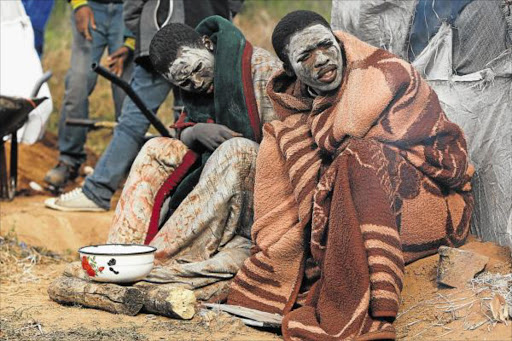


By Alicia Mmashakana
The Portfolio Committee on Cooperative Governance and Traditional Affairs has called for a coordinated, cross-departmental and national response to end the deaths and mutilations that are frequently linked with customary initiation practices.
“Initiation should not be a death sentence. When we speak of zero deaths and zero mutilations, we speak of the sanctity of life. We owe it to every child, every family and every community to make that promise real,” committee chairperson Zweli Mkhize said.
The department presented the committee its updated objectives in its 2025–2030 strategic plan, which now outlines explicit five-year goals, including the eradication of all illegal customary initiation schools. There are currently 429 schools.
It also wants to zero amputations in legal initiation schools. There were 15 in 2024. It is aiming for zero deaths from legal initiation practices. There were 63 last year.
Mkhize said that the zero targets were not solely a departmental concern, but a societal necessity that demanded collaboration with several other departments.
“This must be a focused, coordinated response. We cannot treat this as business as usual. The goal of zero deaths and zero mutilations is not symbolic. It is a constitutional and moral obligation,” he said.
The committee was apprehensive over the resources allocated to achieve these objectives, however, it said budgetary limitations could not excuse policy shortcomings.
It wants a collaborative approach involving the ministries and departments of Health, Social Development, SAPS, Justice and the relevant premiers.
“No death should be tolerated due to budget constraints. We must innovate and collaborate where we lack capacity,” Mkhize said.
Certain members emphasised the significance of community frameworks in achieving the goals. They said traditional councils were important in helping guarantee a safe and dignified execution of cultural rites.
Once consultations are completed, the committee plans on calling stakeholders to report back on their progress in reaching the targets.
“Every department should play its role in the value chain,” Mkhize said.
INSIDE POLITICS