


By Simon Nare
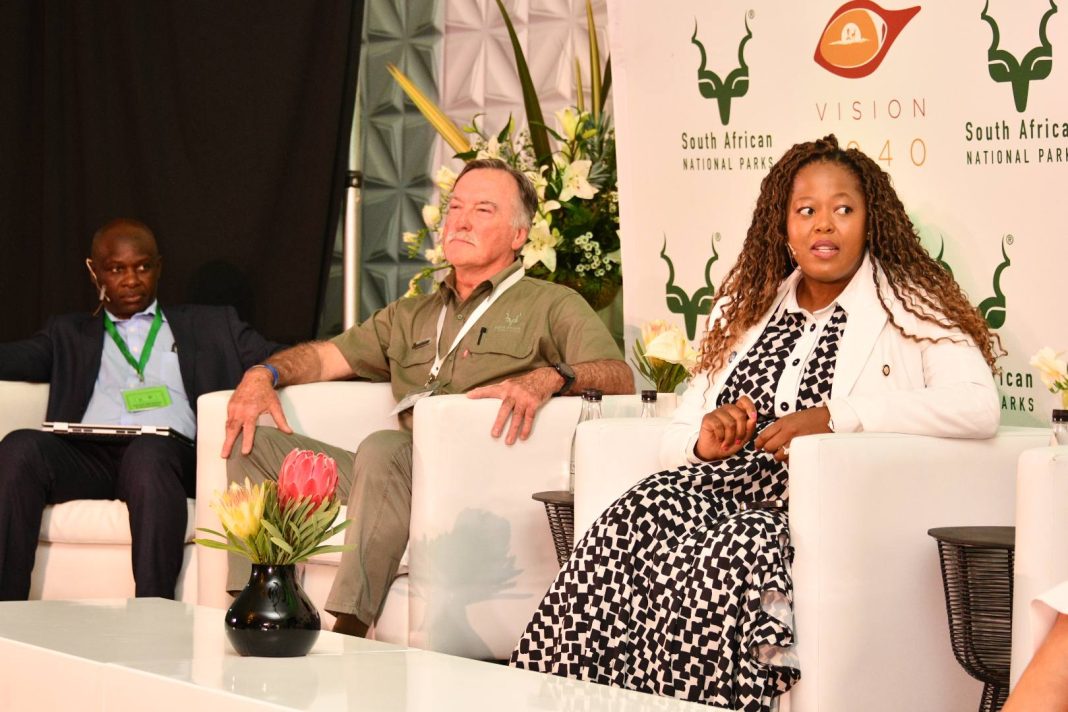
The South African National Parks (SANParks) has described its inaugural Vision 2040 Indaba as a milestone in reshaping its conservation approach to place communities at the centre of park management.
Hosted in Gqeberha, Eastern Cape, the historic gathering brought together academics, traditional leaders, healers, and community representatives to explore new models of collaboration.
The Vision 2040 roadmap envisions community-managed parks supported by public-private partnerships, contracted reserves, and community-owned land, while also addressing threats such as climate change, underfunding and corruption at all levels.
SANParks said it will release the action plans and pledges secured at the Indaba on September 19.
SANParks spokesperson JP Louw told Inside Traveller the discussions have solidified the company’s resolve to overhaul its model in maintaining its parks and be inclusive.
“I suppose the words I would use to describe this Indaba are motivating, inspiring, and centred on frank dialogue and joint effort—because that’s exactly what was on display,” said Louw.
He described the engagements as encouraging and aligned with SANParks’ vision of inclusive, community-driven conservation.
While acknowledging criticism from some delegates, particularly traditional healers, Louw stressed that it was impossible to satisfy everyone and that consultation was precisely why the Indaba had been convened.
According to Louw, the strong turnout laid a foundation for future coexistence between communities and the parks, showing what future consultative gatherings could look like.
He noted that, with Vision 2040 spanning 15 years, the success of this inaugural event underscored the importance of implementing the ideas shared.
“We also wanted to demonstrate, in tangible terms, how the story of Vision 2040 is unfolding. Our exhibitors did an excellent job in showcasing what they are working on,” he said.
One of the strongest messages to emerge, Louw added, was the need for SANParks to clearly show communities what they would gain from the process.
“This speaks to our commitment not to make the Indaba a talk shop but a platform for real ideas and genuine engagement,” he said.
Looking ahead, Louw said that the Indaba should evolve into a space where stakeholders hold each other accountable and demonstrate concrete contributions to conservation.
He said many delegates left with a better grasp of SANParks’ long-term vision and expressed eagerness to partner in bringing it to life.
Louw gave an example of SANParks’ track record of community collaboration, citing the Makuleke Community Initiative in the Kruger National Park — an ecotourism project praised for creating jobs and fostering local ownership.
“There are many examples of how we consult and work with communities,” he said.
Reflecting on lessons from the Indaba, Louw stressed the need for shared responsibility. “Yes, we can debate what government must do—and rightly so. But what are we asking our communities to do, other than being beneficiaries?” he asked.
INSIDE POLITICS