


By Johnathan Paoli
Ongoing negotiations between Solidarity and FlySafair over the pilot strike reached another tense juncture on Wednesday, as the union doubled down on its demand that any shift schedule reforms be codified in a formal written agreement.
Solidarity deputy general secretary Helgard Cronje stressed that assurances of enjoying rest weekends and having full access to the scheduling system were never part of formal negotiations and were introduced for the first time via the media.
“If our proposals are reasonable rules that are already being implemented by the company, why is FlySafair so afraid to agree on them in writing? If you consider the current state of the relationship and the unilateral implementation of the scheduling system, no pilot is going to be willing to accept ‘soft’ rules,” Cronje said.
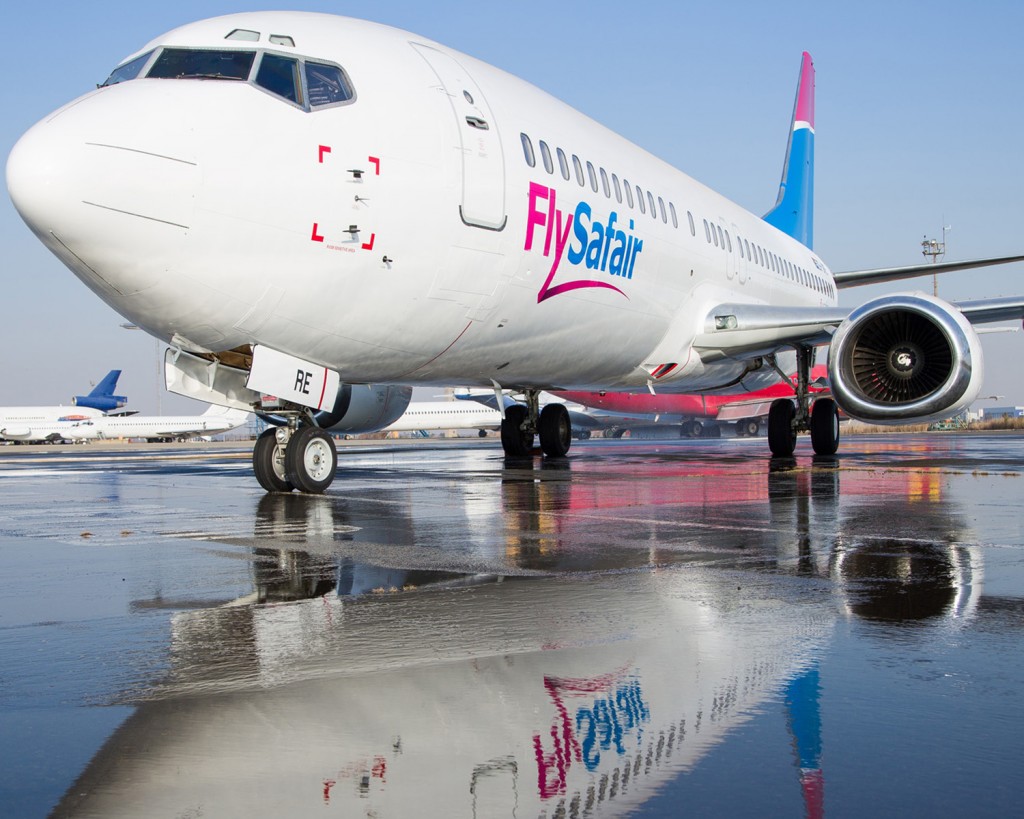
Talks between the low-cost carrier and its striking pilots, represented by trade union Solidarity, resumed on Wednesday as flights continue to be disrupted.
At the centre of the dispute is the pilots’ demand for guaranteed rest periods, fairer shift allocations and formal protection against unilateral changes to their work schedules.
Solidarity has made it clear that its members are unwilling to resume work until these conditions are put into writing, rejecting FlySafair’s current approach of “soft” scheduling rules that are not legally binding.
The impasse escalated after FlySafair issued a public statement on Monday, asserting that pilots already enjoy guaranteed rest weekends and have full access to the scheduling system.
Cronje emphasised that pilots were not seeking to micromanage operations but merely wanted the basic rules of scheduling such as predictable rest cycles to be contractually protected.
According to the union, South African labour law was clear in that working conditions such as hours and rest periods should be either part of an employment contract or protected under the Basic Conditions of Employment Act.
Anything less, Cronje said, left workers vulnerable to arbitrary changes.
Solidarity revealed that FlySafair had proposed a compromise involving the creation of a committee to discuss scheduling matters, but only if pilots waived their right to strike on this issue.
Moreover, the proposed committee would have no binding authority, leaving final decision-making entirely in the hands of management.
Cronje warned that this was a dangerous precedent and that pilots would be signing away their constitutional right to strike while the company retained full power over outcomes.
Solidarity maintains that a legally binding agreement was essential to limit the scope of managerial control to business interests and prevent overreach into employees’ personal lives.
FlySafair has reportedly expressed concern that entering into a formal agreement on schedules might set a precedent and open the door for future renegotiation.
Solidarity has countered this argument by offering a concession that pilots would agree not to reintroduce the matter in subsequent negotiations, and any reopening of the agreement would be at the employer’s discretion.
With the strike continuing, hundreds of passengers have been affected across domestic routes, putting additional pressure on both sides to find resolution.
INSIDE POLITICS