
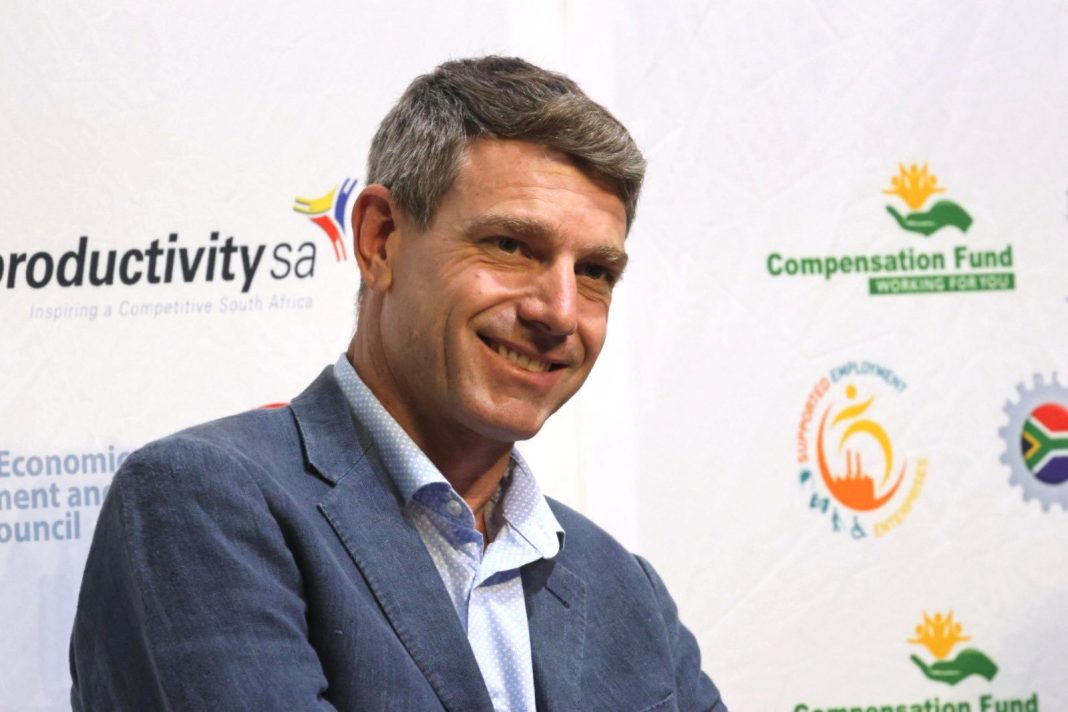


By Charmaine Ndlela
Hospitality industry body Fedhasa has urged government to step up infrastructure investment, particularly in rural road networks, and to intensify the country’s international marketing push, saying that weak transport links and tougher competition are weighing on growth.
Fedhasa national chairperson Brett Tungay said the association’s top priority was to lobby for higher capital spending on infrastructure in areas that depended on tourism.
He said South Africa also needed a more effective, coordinated international marketing strategy, driven through closer public-private cooperation.
“We need a comprehensive marketing plan that works not only at provincial level but nationally as well. It needs to be effective and actually drive tourist numbers into South Africa,” he said.
Tungay said Fedhasa had not claimed tourism activity declined over the December festive season, but that results fell short of expectations after the group forecast a pickup in occupancy.
“We originally forecast a 5% to 10% occupancy increase across the country for December, and we didn’t see those figures coming through.”
He said performance varied by destination, with major coastal and city hubs doing better than smaller centres.
“Your prime destinations like the Cape Town Waterfront, Durban Waterfront and Umhlanga did extremely well and saw positive growth. But second-tier destinations generally saw very little growth, with figures remaining the same as last year.”
Road conditions remained one of the biggest constraints on tourism expansion, Tungay said.
“There’s a desperate need for road rehabilitation in certain areas in Mpumalanga, the Free State, and KwaZulu-Natal.”
As an example, he said, poor roads in the Drakensberg had reduced caravan travel and hit local resort economies.
“We saw a drop-off at caravan parks, with people not bringing their caravans because of the roads. That had a significant economic effect on those resorts.”
Tungay said inadequate infrastructure also deterred international visitors, who preferred self-drive travel.
“A large portion of international rural travel is self-drive and camper homes. Travel agents won’t sell packages into areas where roads are bad.”
While domestic travel remained active, he said middle-class consumers were under financial pressure, limiting discretionary spending.
“The domestic market knows the product and they’re still travelling, but the spend wasn’t as high as anticipated.”
He said stronger economic growth would be needed to lift demand.
“Half a percent to one percent GDP growth isn’t going to help anybody. We need two to three percent growth to break the economic stagnation.”
He said South Africa also faces intensifying competition from other African destinations, particularly those with simpler entry requirements.
“If someone is choosing an African destination, the countries with the easiest travel regulations are going to benefit,” he said.
He welcomed government moves such as e-visas and the trusted tour operator programme, but said the impacts were yet to be felt.
INSIDE POLITICS