


By Thapelo Molefe and Charmaine Ndlela
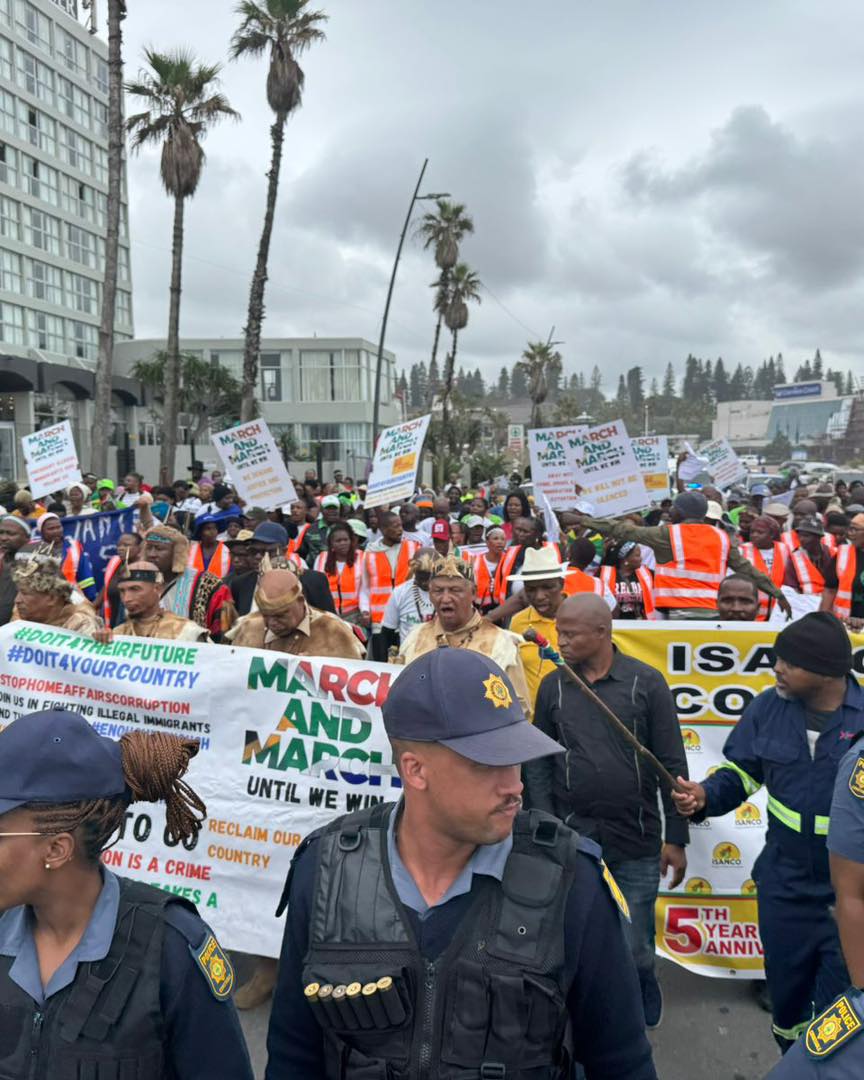
Thousands of demonstrators marched through the streets of KuGompo (formerly East London) in the Eastern Cape on Monday, driven by anger over the recent coronation of Nigerian Igbo chief Solomon Ogbonna Eziko, who was given the title “Igwe Ndigbo Na East London” at a ceremony held earlier this month.
The march, organised by anti-illegal migration group March and March, led by Jacinta Mangobese Zuma, alongside ActionSA, the Patriotic Alliance and several civic organisations, soon turned violent when protesters demanded the immediate shutdown of an area popularly known by locals as “California”, which they allege is linked to human trafficking and other criminal activity involving foreign nationals.
Tensions escalated further after reports that a South African protester affiliated with March and March was stabbed by a foreign national and then struck by a vehicle.
The victim was rushed to hospital. Two other people were reportedly seriously injured during the ensuing scuffles, which were marked by burning and looting.
Information from Inside Politics reporter Thapelo Molefe, who is on the ground in KuGompo, indicates that the incident triggered widespread chaos.
What began as a peaceful march on Monday morning has since deteriorated into violent clashes, looting and xenophobic attacks.
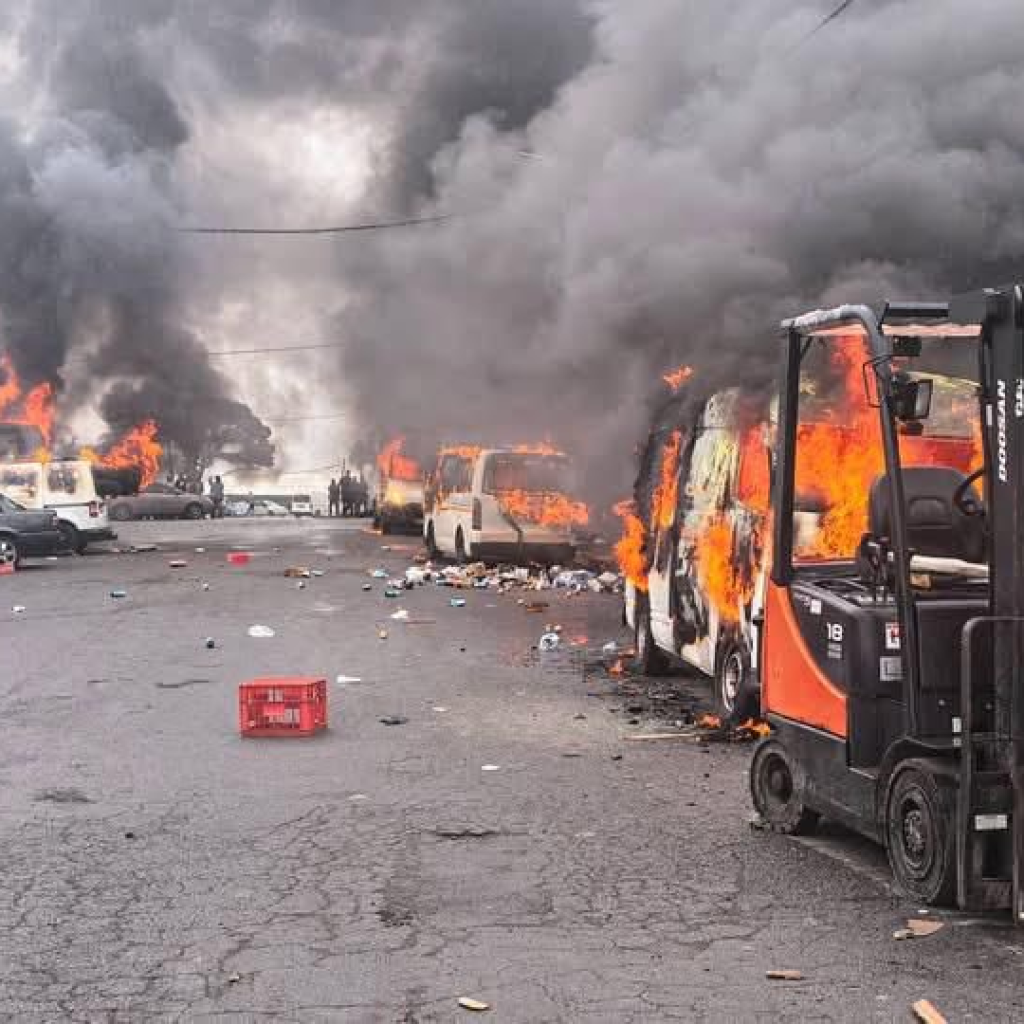
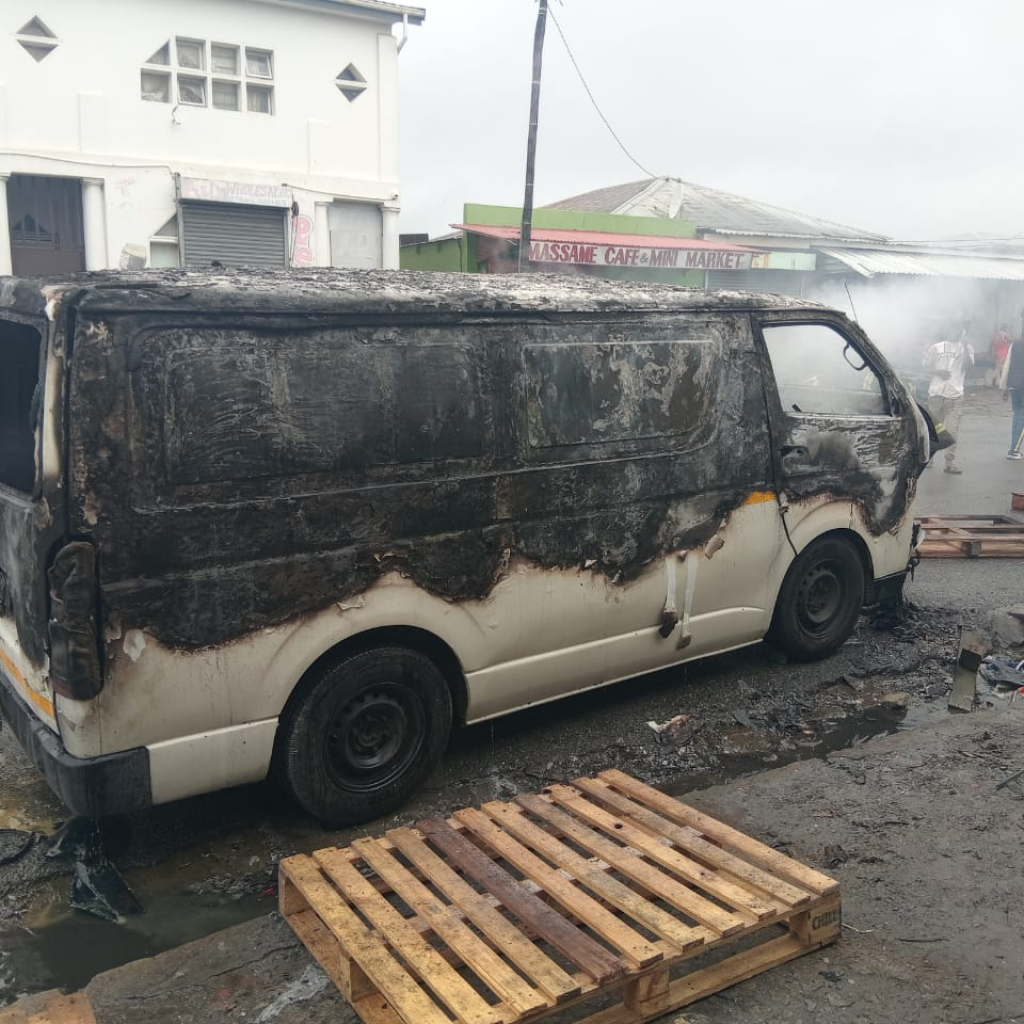
Shops have been ransacked, vehicles set alight, and confrontations have broken out between groups including Ethiopians, Somalians and South Africans.
“Forty-five cars have been damaged, of which 15 have been burnt,” said Molefe.
Eyewitnesses said tensions flared further when a group of men allegedly drove into protesters, attacked them and fled the scene, fuelling retaliatory violence.
Organisers of the Nigerian coronation have described the event as a cultural celebration of Igbo Nigerians who have lived in the Eastern Cape for more than 30 years.
However, the ceremony has sparked outrage among some local leaders and residents.
Prince Xhanti Sigcawu of the Amathole House of Traditional Leaders criticised the move and called on government to deport those involved, arguing it undermines local traditional authority.
Deputy Minister of Cooperative Governance and Traditional Affairs Prince Zolile Burns-Ncamashe, who joined the march, said the ceremony was “undermining the sovereignty of South Africa” and described it as an illegal, non-existent coronation, warning it could provoke instability in KuGompo.
The Eastern Cape House of Traditional and Khoisan Leaders also condemned the coronation as an illegal violation of customary protocols and sovereignty.
Political parties including ActionSA and the Patriotic Alliance, along with civic organisations and traditional leaders, also called for government intervention and action against undocumented foreign nationals.
Meanwhile, Prince Nwobi, president of the Nigerian Union in South Africa, rejected claims of a “kingship”, saying Igbo leadership structures in the diaspora are purely cultural.
“There was no installation of a King [of East London] and there is no invasion,” he said.
“Nigerians in the diaspora seek to organise themselves culturally.”
Law enforcement attempted to disperse crowds, and during the intervention, shots were fired, leaving at least one person injured. Several others were hurt in stampedes and looting incidents.
Reports indicate that some angry protesters are moving through parts of the city targeting businesses owned by foreign nationals, raising fears of escalating xenophobic violence.
According to research by Inside Politics, the Igbo, sometimes called Ibo, are one of Africa’s largest ethnic groups, mainly concentrated in southeastern Nigeria, where they make up about 17% of the population.
Following the Nigerian Civil War, also known as the Biafran War [July 6, 1967, to January 15, 1970], many Igbo left their homeland due to population pressures, limited land, and poor infrastructure.
Today, significant Igbo communities can be found not only in Nigerian cities such as Lagos, Benin City, and Abuja, but also abroad in countries including Togo, Ghana, Canada, the United Kingdom, and the United States.
This is a developing story.

INSIDE POLITICS