


By Johnathan Paoli
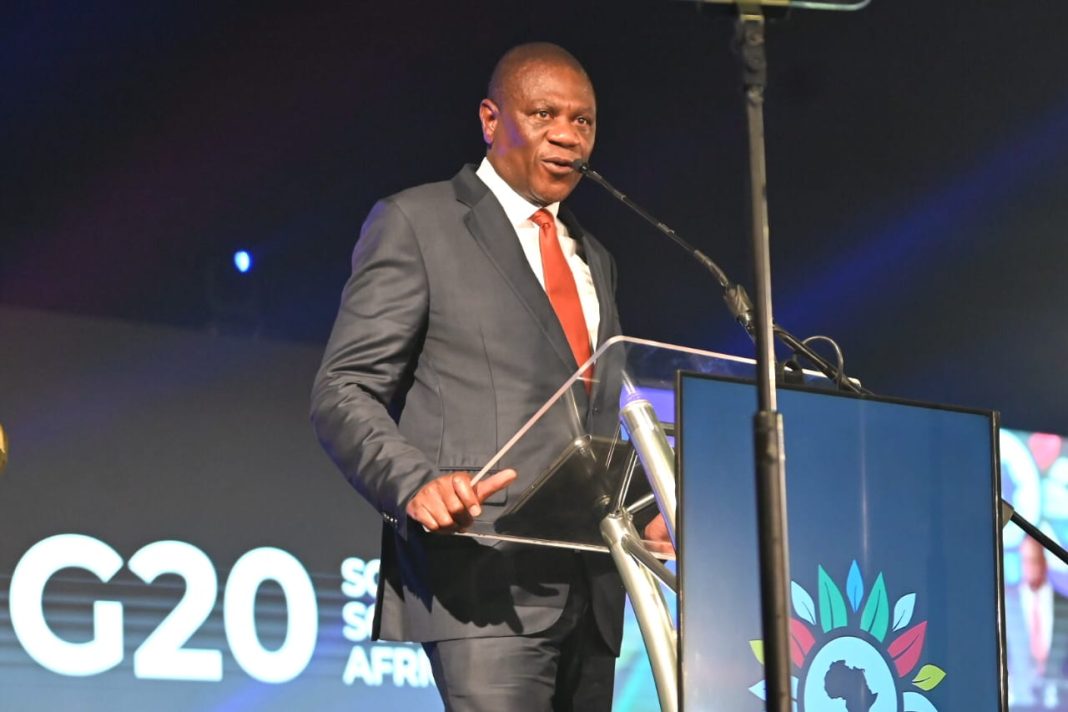
Deputy President Paul Mashatile has stressed the potential of platforms such as the G20 Social Summit in facilitating cooperation and collaboration between state and non-state actors, guaranteeing international leaders receive direct input from the people, before making fundamental decisions.
Delivering the opening address on Tuesday, Mashatile maintained that the Social Summit and the build-up to the Leaders’ Summit would ensure the concerns and perspectives of civil society will be prioritised in finding solutions to the challenges facing the global South and Africa.
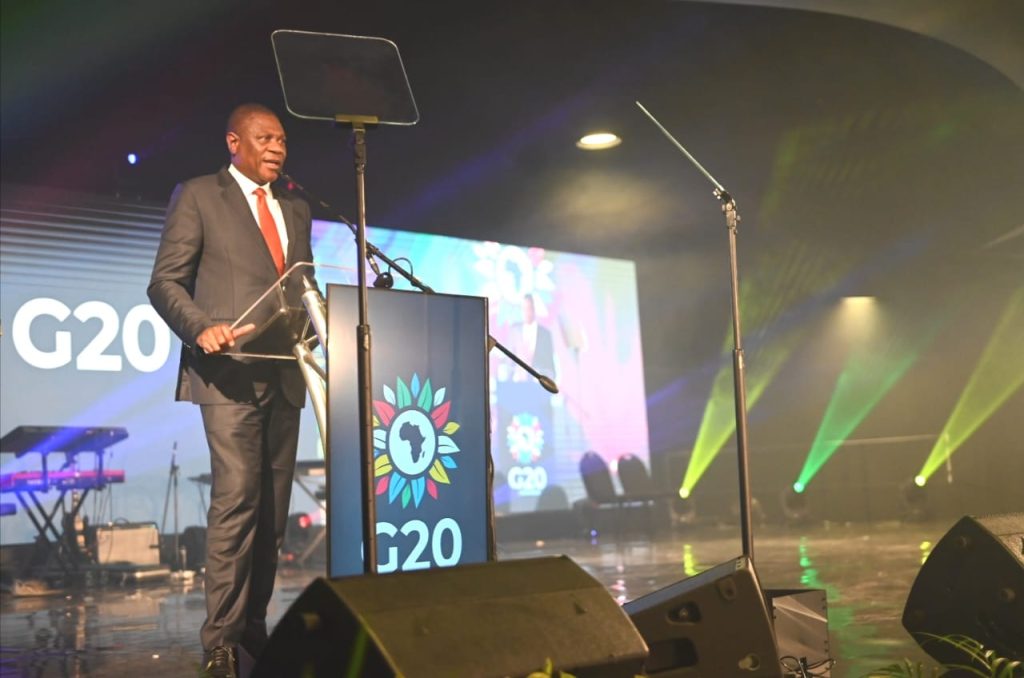
“I am confident that by working together, harnessing the power of collaboration, and embracing the values of solidarity and empathy, we can overcome even the greatest of challenges and build a future that is brighter, fairer, and more sustainable for generations to come,” Mashatile said.
Thanking both local and international delegations to the summit, Mashatile highlighted core similarities between “Ubuntu philosophy” and the objectives of the summit, namely a shared interconnectedness, collective responsibility, solidarity and the pursuit of social justice and equality for all people.
He said this was a crucial moment for South Africa, symbolising not only its own national objectives but also the aspirations of the African continent as a whole, in line with the African Union’s strategic framework and action plan, “Agenda 2063: The Africa We Want”.
The deputy minister acknowledged that despite its potential, Africa remains underdeveloped, with its communities still living in poverty and enduring ongoing displacement due to recurring political, economic, environmental and security challenges.
“We believe it is time for Africa to advocate for lasting peace and commitment to resolving conflicts through negotiated political settlements. When we achieve peace and political stability, we as Africans are better positioned to secure sustainable financing, debt relief, fairer trade, and stronger representation in global economic governance,” Mashatile said.
He said the foundation of the South African G20 presidency could be found in its commitment to strengthening and reforming the international financial architecture, as well as deepening international economic cooperation.
Mashatile praised he growth of the global South and international cooperation, which has resulted in a remarkable shift to a more multipolar framework of global power.
“This situation presents a collective opportunity to reshape global discourse by emphasising that Africans are not merely passive recipients of aid or policy but active agents of innovation, enterprise, and governance,” he said.
Quoting economist and Nobel Laureate, Angus Deaton, the deputy president said that “international cooperation is vital to keeping our globe safe, commerce flowing, and our planet habitable”.
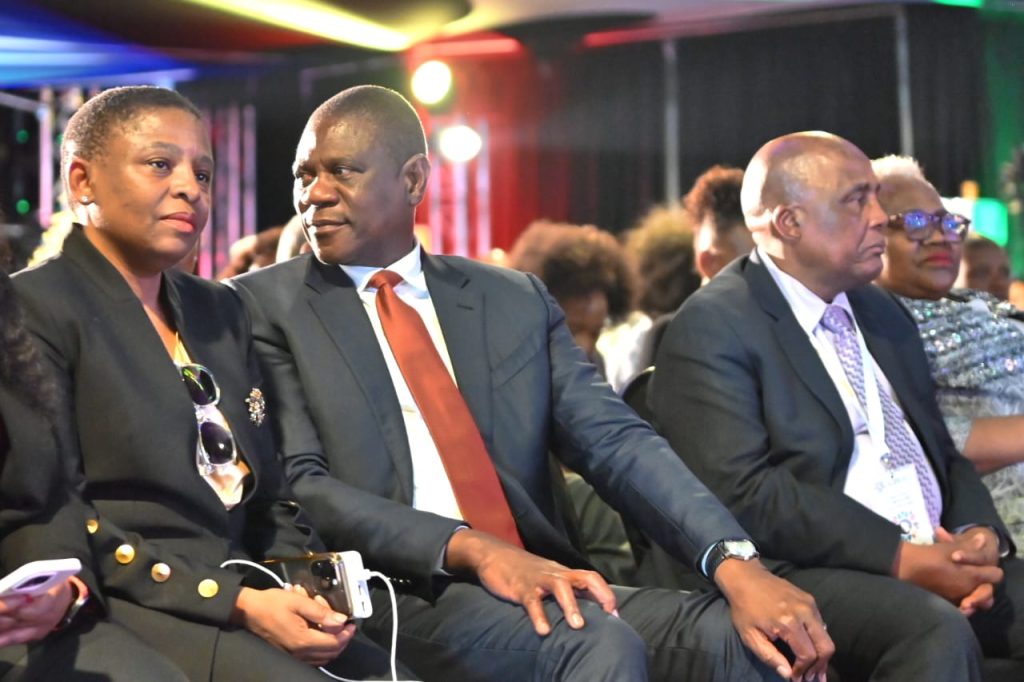
He stressed that this epitomised the crucial need for collaboration around the world for security, economic stability and environmental sustainability.
“South Africa believes that our challenges are inherently transnational, meaning that no single nation van solve them alone,” Mashatile said.
He outlines that the main priority for the 2025 G20 is a call for global collective partnership and action, while emphasising that the achievement of inclusive growth, sustainable development, technical transformation and addressing global challenges such as climate change and socio-economic inequalities.
Other priorities include: strengthening disaster resilience and response; ensuring debt sustainability for low-income countries; mobilising finance for a Just Energy Transition; and harnessing critical minerals for inclusive growth and sustainable development.
In order to drive these priorities, the deputy president unveiled three cross-cutting “Task Forces”:
Task Force 1, which focuses on inclusive economic growth, industrialisation, employment and reduced inequality.
Task Force 2, which focuses on food security.
And Task Force 3, which focuses on artificial intelligence, data governance and innovation for sustainable development.
Mashatile also highlighted that beyond this, South Africa is progressing with a “Broadened Compact with Africa 2.0”, aimed at enhancing the continent’s development priorities by integrating them into the global economic agenda.
“The Broadened Compact with Africa 2.0 represents a key strategic initiative designed to advance economic transformation and foster technological innovation in African countries by promoting private investment and policy reform,” he said.
In addition, the summit is expected to focus on five thematic areas: digital inclusion and equitable transformation; trade, resilience and inclusive value chains; inclusive climate justice, a just transition, and energy democracy; building momentum for the achievement of the Sustainable Development Goals and Agenda 2063.
“These thematic areas maintain their significance in facilitating strong discussions and delivering actionable recommendations from global civil society regarding the inclusive future direction of the G20 and its Social Summit,” Mashatile remarked.
In a stark challenge, the deputy president stressed that it remained incumbent upon leaders of the world’s largest economies to rise to the occasion, to lead by example, and to chart a course towards a more sustainable, equitable, and peaceful world.
In conclusion, Mashatile said that he was confident that by working together, harnessing the power of collaboration, and embracing the values of solidarity and empathy, the delegates could overcome even the greatest of challenges and build a future that is brighter, fairer, and more sustainable for generations to come.
He called on the delegates to maintain their engagement beyond the formal adoption of the G20 Declarations by remaining actively involved in tracking and assessing the implementation of commitments.
INSIDE POLITICS