


By Akani Nkuna
Delegates at the first National Convention have appealed to stakeholders and conveners to incorporate the voices of the marginalised in the steering committee and the holistic agenda of the National Dialogue, ensuring that their struggles are addressed.
Representatives of marginalised groups expressed discontentment during the second day of the meeting when the sectoral committee structures failed to incorporate people from the disability sector, children, Rastafarians, women and people living with Albinism.
Siyabulela Lucas from Disabled People South Africa told Inside Politics that they wanted to be included to ensure that common challenges were addressed and that they were part of the process.
“We do not want to be isolated by the people who are getting our services to us. Those people must work with us. So now with the unity that we want going forward needs to start with us first. Moving from that, going to our constituencies we must go hand in hand with the organisers of the National Dialogue,” he said.
“We must be on the same path then we will be in a position to be fully included with what is happening with the majority. There are issues that we are not happy with, and we want to address these issues from within the prescribed channels.”
The National Convention has proposed a steering committee representing 22 sectors in efforts to ensure a broad-based representation of society, which includes unions, faith-based organisations, the formal business sector, government departments, and traditional and Khoi-San leaders.
Rastafari Nation Council deputy chairperson Thau Thau Haramanuba decried the lack of representation in the 22 sectors outlined for the committee. He contended that the classification of Rastafari under faith-based organisations was misleading and limited the scope of influence that the community reached.
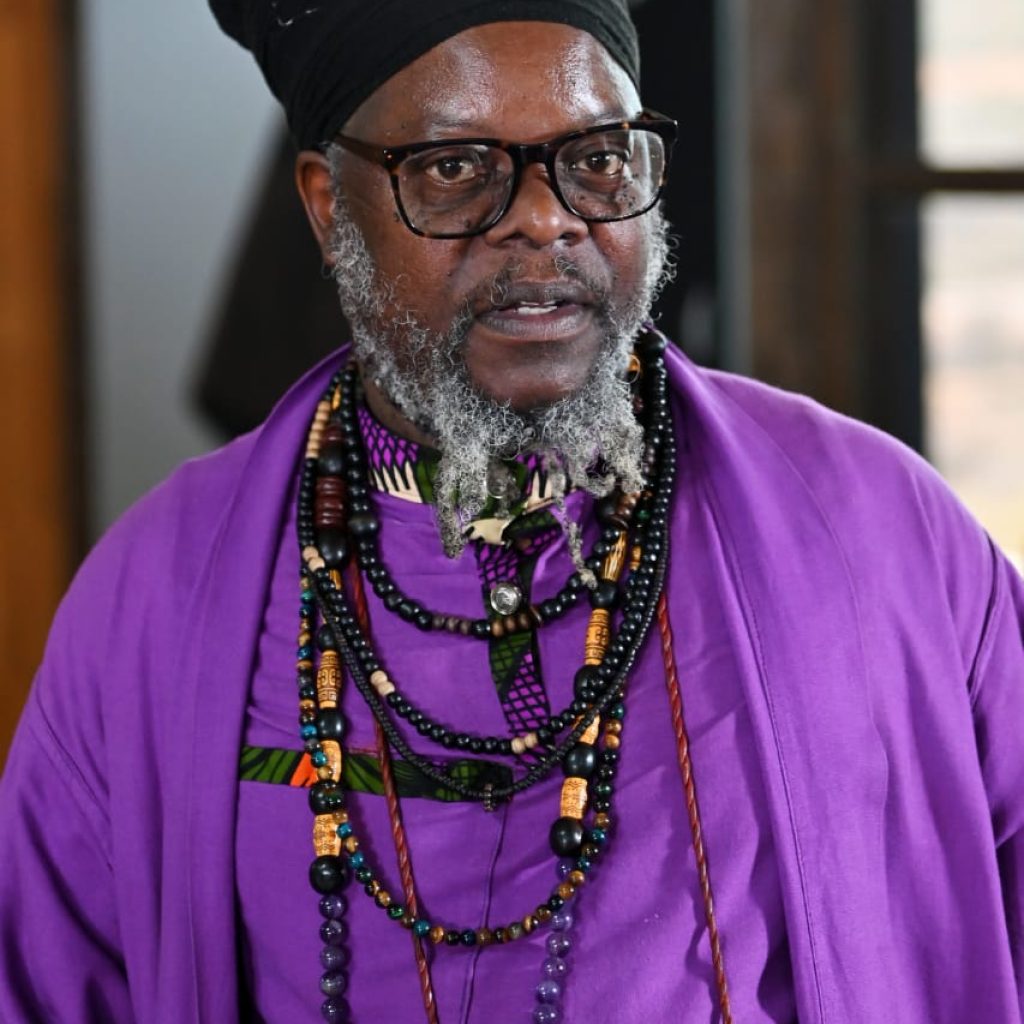
He further argued that the recognition of the Rastafari community was more than just a religious sector, but a “nation” would validate their existence and emphasise their prominence, thus forcing government to consider them in matters of public policy.
“Your recognition comes with protection, once you are recognised then it is their responsibility to protect and to promote you as a sector as is the case with the LGBTQ community and the sex workers,” Haramanuba told Inside Politics.
Patric Solomons, who is the chairperson of Molo Songololo, which is an NPO that protects children’s rights, advocated for increased participation in the National Dialogue, saying that their inclusion was critical especially because children would be impacted by the success or failure of the resolutions the dialogue would usher in.
“We do believe that children have a right be in the foreground, they need to be prioritised and, therefore, children’s participation must also be prioritised. Children make up about a third of the population in South Africa,” Solomons said.
“Children have a right to take part, they have a right to have their voices heard and they have a right to have their voices respected and to be implemented. So, we have come here to raise their voices and make sure that they are considered fully.”
Solomons emphasised that children were one of the groups confronted by a myriad of challenges in their homes, schools and communities, and therefore their voices were valuable in advising the agenda of the dialogue.
“Children are exposed to a lot of abuse and violence and that is one of the issues that needs to be addressed. Children need to be able to express how they feel and share remedies to these social ills. Children participation must be a principle stand and position” he added.
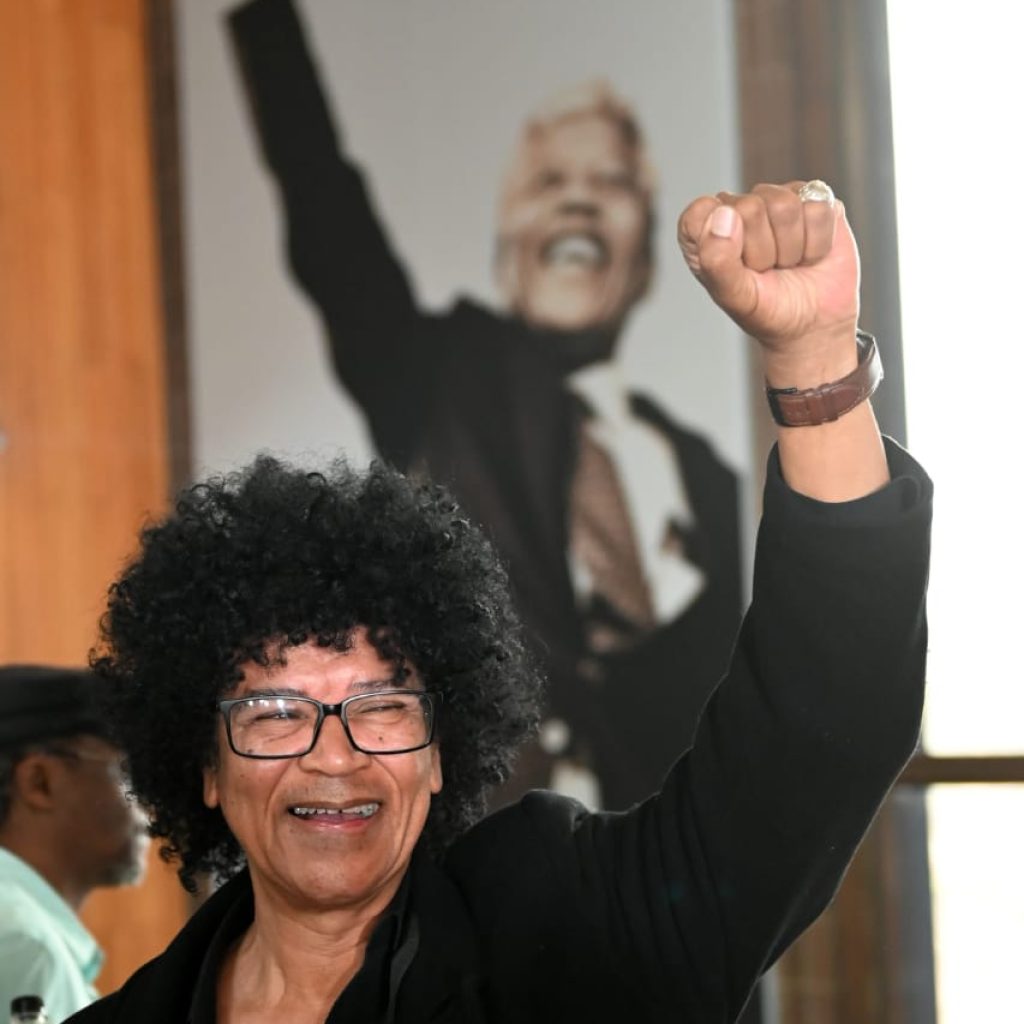
In the lead up to the National Dialogue, the plan is to hold meetings throughout the country to inform the resolutions and the way for forward to bring South Africans together to address the country’s various challenges.
The establishment of the broad-based steering committee to oversee and guide the National Dialogue is expected to be finalised in the next two weeks.
The committee was meant to be finalised over the weekend, but some formations and sectors were not ready to decide on who they wanted to nominate.
INSIDE POLITICS