


By Johnathan Paoli
The high-stakes inquiry into suspended Joburg prosecutions boss Andrew Chauke intensified as NPA head Shamila Batohi flagged prima facie interference and questionable decisions dating back over a decade.
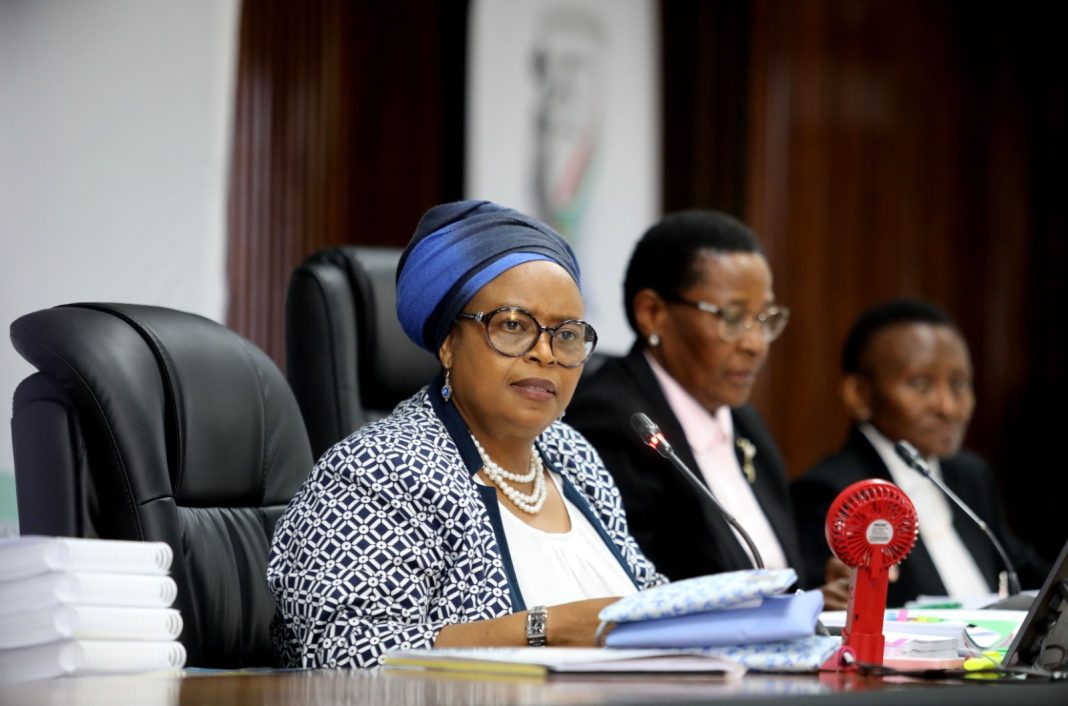
Batohi returned to the witness stand in Pretoria on Monday, where she faced consistent pressure from the panel to link her allegations directly to the evidence she was presenting, in order to clarify whether Chauke’s actions demonstrated illegality or unlawful interference.
“Because it doesn’t appear that we’ve really gone to the crux of the matter, to understand the illegality or the unlawfulness of his conduct, if any,” retired justice and inquiry chair Bess Nkabinde noted.
The inquiry is investigating Chauke’s fitness to hold office following allegations by Batohi that he made politically influenced decisions in high-profile matters.
Chauke, suspended by President Cyril Ramaphosa in July, has been accused of undermining prosecutorial independence, particularly in the 2012 case involving former KwaZulu-Natal Hawks boss Johan Booysen and members of the Cato Manor organised crime unit.
In response, Batohi walked the panel through extensive email correspondence between Chauke and then acting KwaZulu-Natal Director of Public Prosecutions (DPP), Cyril Mlotshwa.
The emails, she said, revealed improper pressure, procedural breaches, and sidelining of the legally designated authority.
Central to her testimony was the 12 June 2012 indictment in the Booysen matter, which Chauke sent to Mlotshwa for signature.
An indictment is the primary document setting out the formal charges for a High Court prosecution.
Batohi explained that it must be accompanied by a summary of the substantial facts and supporting evidence.
However, Mlotshwa repeatedly refused to sign the document, insisting he had not been given the evidence on which the charges were based.
According to Batohi, this refusal was consistent with legal and ethical obligations.
“Mlotshwa emphasised that signing such a document without verifying the evidence would be unlawful,” she testified.
Despite this, the prosecution team reported directly to Chauke and bypassed Mlotshwa entirely, leaving him without access to critical documents.
The email chain, Batohi said, painted a picture of a DPP who was raising legitimate concerns while being overridden behind the scenes.
She highlighted one email in which Chauke advised Mlotshwa to express discomfort if he had any, so Chauke could escalate the matter to the Acting NDPP and the Minister.
Batohi argued that invoking the minister was troubling because the minister has no role in prosecutorial operations.
The inquiry also heard that on 9 July 2012, less than a month after refusing to sign the indictment, Mlotshwa was removed as acting DPP.
Moipone Noko was appointed shortly thereafter on the recommendation of then-acting National Director of Public Prosecutions Nomgcobo Jiba.
The very next day, a racketeering authorisation application in the Booysen case, bearing Chauke’s name, was submitted to the NPA’s offices in Pretoria.
However, a supplementary opinion noted troubling inconsistencies: the application was unsigned, and the 2012 racketeering file could not be found.
The bundle included a prosecution memo, draft indictment, and draft authorisations, all unsigned.
Batohi said she could not confirm whether Mlotshwa ever received the prosecution memorandum.
“As I sit here, I do not know if Advocate Mlotshwa received the prosecution memo,” she told the panel.
She committed to explaining later in her testimony how the racketeering authorisation ultimately came to be signed, stressing her intention to provide the inquiry with full transparency.
Throughout her testimony, Batohi reiterated that Chauke’s actions amounted to interference in prosecutorial decision-making, motivated or shaped by political considerations.
The Booysen matter, which has long been dogged by allegations of political manipulation, is central to these claims.
According to Batohi, Chauke’s conduct not only undermined Mlotshwa’s authority but also disregarded standard prosecutorial protocols designed to protect independence and integrity.
INSIDE POLITICS