


By Akani Nkuna
The two main opposition parties in the National Assembly, the MK Party and the Economic Freedom Fighters, have strongly condemned the postponement of the 2025 Budget Speech, describing it as a disgraceful move that has left South Africans in limbo.
EFF spokesperson Sinawo Tambo said the postponement was a result of incompetence of the National Treasury and the Government of National Unity.
He added that it was a desperate attempt by the coalition government to conceal its internal conflicts, lack of clear direction and failure to provide effective economic leadership during a period of crisis.
“The postponement of the Budget is not a sign of democracy, maturity or consultation; it is a symptom of weak, indecisive and opportunistic governance that has left millions of South Africans uncertain about their future,” Tambo said in a statement on Wednesday.
Shortly after the postponement, Finance Minister Enoch Godongwana revealed that it was to allow the Cabinet to deliberate on how the government would fund its priorities.
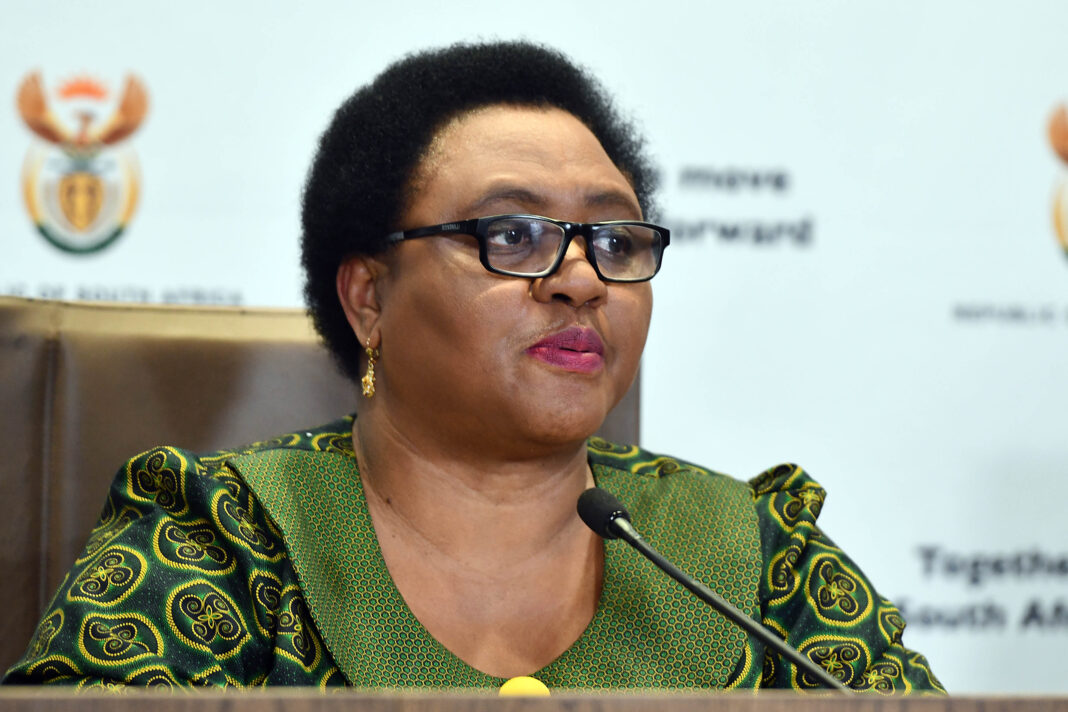
But opposition parties were not convinced by the explanation. In a National Assembly session to announce the postponement, which was made by Speaker Thoko Didiza, they insisted that Godongwana should table the Budget and the House decide.
However, the call was not heeded.
“The reality is that the 2025 Budget Speech was already finalised and the only reason for the postponement is the deep divisions within the GNU, particularly over the reckless and disgraceful proposed increase in value-added tax from 15% to 17%,” Tambo said in a statement.
MKP spokesperson Nhlamulo Ndhlela said the party would flatly oppose the hike because any increase unfairly burdened the poor.
Instead it would push for a reduction to 13% to ease the cost of living.
Ndhela characterised the postponement as a reckless political stunt which revealed a total disregard for the struggles of ordinary South Africans, especially the black majority, who faced rising unemployment, inflation and failing services.
“The consequences of this decision will be felt across national departments, struggling municipalities and state-owned enterprises already on the brink,” he added.
Songezo Zibi, whose party RISE Mzansi is in the GNU, acknowledged that the Treasury’s dilemma meant that it would have to make tough decisions.
“The key problem we have right now is that economy is not growing, we are not creating employment and expected revenue from taxes is insufficient. We can either borrow more or increase personal income tax or corporate tax.
“Those are the choices that we have. We have to exercise one of them. It is not possible to not borrow, not increase personal income taxes and also not increase companies’ taxes and still fund the things that we said we are going to do. The essence of it is who we choose to hurt in this equation,” he said.
Zibi, who heads up the Standing Committee on Public Accounts, emphasised that since the Budget development process began right after the previous one was finalised, with ministers and directors-general discussing allocations, the decision to postpone should have been made much earlier.
He said because of the delay to inform Cabinet comprising of GNU partners, parties were unable to reach an agreement on the Budget.
Meanwhile, African National Congress spokesperson Mahlengi Bhengu-Motsiri said the support from the majority political parties in the National Assembly to postpone the Budget, demonstrated a shared commitment to responsible budgetary management in the country’s best interests.
“As this matter continues to be deliberated, the ANC reaffirms its position that the budgetary decisions must be taken responsibly, balancing the need for economic stability with the urgent demands of service delivery and social justice,” she said in a statement.
Bhengu-Motsiri reiterated that despite economic constraints, measures were needed to sustain public services and essential government functions, which included honouring civil servant wage increases, expanding early childhood development and increasing social grants above inflation to shield the vulnerable from rising living costs.
INSIDE POLITICS