


By Akani Nkuna
President Cyril Ramaphosa has called for the creation of “institutionalised mechanisms” to combat inequality in South Africa and across the world, saying the issue must take centre stage in high-level global discussions for the damage it continues to inflict on societies.
“We will be seeking the support of G20 members and partner countries within the G20 architecture to set up the necessary structures,” Ramaphosa said.
“We want to institutionalise a mechanism that will start addressing inequality, just as the UN institutionalised mechanisms to deal with climate change. The UN has already been informed about this report.”
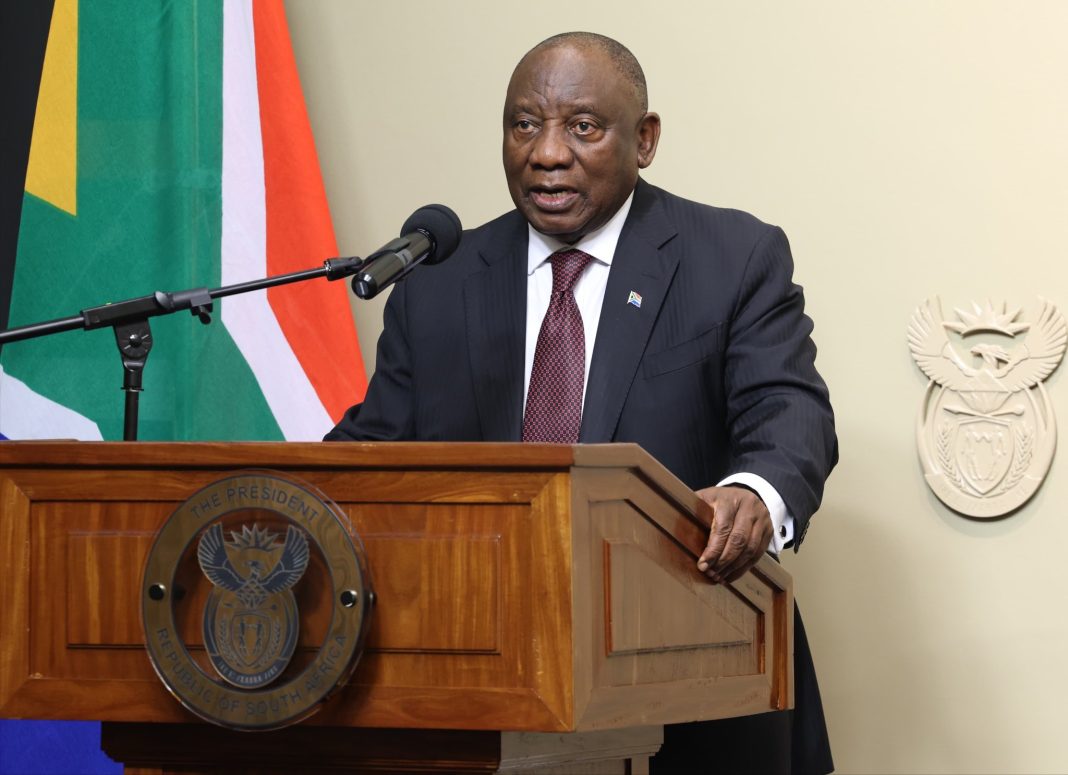
Ramaphosa was speaking at Tuynhuys on Tuesday, where he and Nobel laureate Professor Joseph Stiglitz received the G20 Inequality Committee Report on global inequalities — the first of its kind to be presented to the upcoming G20 Summit to be held in Johannesburg later this month.
Compiled by experts from the United States, Uganda, India and South Africa, the report examines global patterns of wealth and income inequality, their impact on growth, poverty, and multilateralism, and offers practical policy solutions.
According to the Presidency, the report also includes recommendations on debt restructuring and regional production of long-acting HIV/AIDS medicines and other pandemic therapies.
Ramaphosa said the report identifies the root causes of inequality, including monopoly capital and lack of access to knowledge, and proposes long-term measures to eliminate them rather than temporary fixes.
He warned that trade wars and rising food and energy prices continue to widen the gap between the rich and the poor, undermining global economic progress.
“This report examines the causes and drivers of inequality and lays out prudent, practical steps that we can take to reduce it. This is a blueprint for greater equality,” Ramaphosa said.
He described inequality as a “grievous threat to democracy and a betrayal of people’s dignity,” calling it an “inescapable generational challenge” that global leaders must confront with urgency.
Ramaphosa noted that while each country faces unique socio-economic circumstances, the report’s recommendations are adaptable to different contexts.
“In South Africa, our key priorities are economic growth and job creation, but we have also said we want to reduce the cost of living because the high cost of living drives inequality,” he added.
INSIDE POLITICS