


By Johnathan Paoli
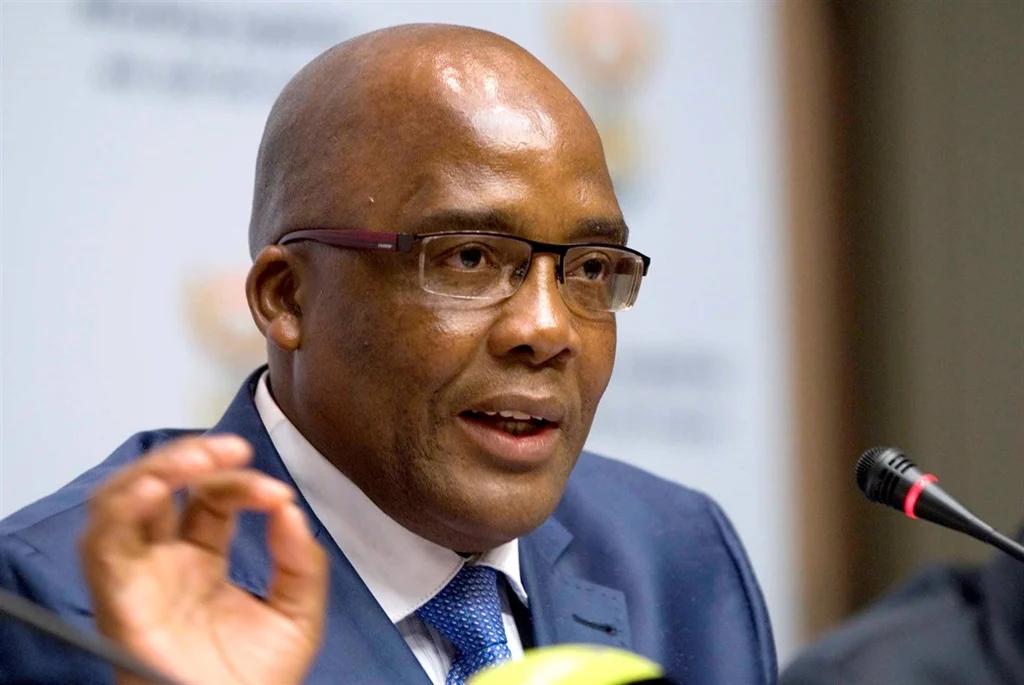
Health Minister Aaron Motsoaledi has dismissed claims that South Africa’s HIV/AIDS campaign is collapsing following the withdrawal of US funding, asserting that the national programme remains active, robust, and community focused.
Speaking at a press briefing in Pretoria, Motsoaledi acknowledged the impact of the US government’s decision to end its President’s Emergency Plan for AIDS Relief (PEPFAR) contributions, but said his department has mobilised alternative resources and partnerships to avoid disruption.
“When we started this programme, we needed R5.3 billion. Today, we are spending R46.8 billion, of which R7.9 billion came from PEPFAR,” said Motsoaledi. “While it is unfortunate that these funds are gone, it is inconceivable that this will lead to the collapse of our programme.”
He stressed that HIV/AIDS prevention and treatment efforts were grounded in the country’s villages, townships and public health facilities—not just in donor-funded clinics.
“We’ve moved all 63,322 affected key population clients from PEPFAR-funded clinics into public health facilities. These are not just numbers. These are people with names and addresses. And the work of contacting and supporting them continues,” he said.
PEPFAR previously supported South Africa in 27 of the country’s 52 districts, assisting over 15,000 health workers and funding specialised clinics, particularly for marginalised groups such as sex workers, men who have sex with men, and people who inject drugs.
Of those workers, 8061 have lost their jobs, while 7478 remain employed through temporary US Centres for Disease Control and Prevention support.
Despite the staffing setback, the minister emphasised that the overall HIV/AIDS workforce remained strong, with over 263,000 personnel still actively engaged across the country.
To fill the service gap, South Africa has bolstered its collaborations with other international funders like the Global Fund, which is currently supporting 34 facilities and more than 74,000 clients from key populations.
Additionally, the government itself funds several NGOs, including the National LGBTI Health Campaign and Centre for Positive Care, to provide targeted HIV services.
The department’s “Close the Gap” campaign, launched to help the country meet the UN’s 95-95-95 targets (95% of people living with HIV know their status, 95% of those are on treatment, and 95% of those on treatment are virally suppressed), aims to find and treat 1.1 million known HIV-positive individuals not currently on antiretroviral therapy (ARVs).
Contrary to some media reports alleging a lack of planning and funding for the campaign, Motsoaledi provided detailed evidence including a budget of R659 million reallocated from HIV/AIDS conditional grants.
He said the campaign has already initiated treatment for over 520,000 people and that weekly check-ins with provincial departments have enabled real-time monitoring and problem-solving.
“We know who these 1.1 million people are, where they live, and where they previously accessed services. This is not random. It’s a targeted effort,” he said.
Motsoaledi pushed back against reports suggesting a programme in disarray, particularly regarding ARV initiation rates and viral load testing.
“Yes, we’ve seen declines in some testing metrics, and we’re not claiming everything is fine. But to say the campaign is collapsing is misleading. The fact that we’re conducting weekly meetings and launching sensitisation programs for healthcare workers shows our commitment,” he said.
Over 3300 healthcare workers have been trained in handling key populations with dignity and respect, helping to combat stigma and discrimination, key barriers to effective HIV care.
While South Africa has taken critical steps to fill the void left by PEPFAR’s departure, the broader implications remain concerning, with experts warning that the loss of US support could undermine global progress on HIV/AIDS unless sustainable funding models are secured.
Motsoaledi made a direct appeal to international partners, noting that while discussions were ongoing, no new funders have stepped forward beyond the Global Fund’s contribution for ARVs.
As South Africa navigates the post-PEPFAR era, the minister’s message was clear: the country would not allow two decades of progress in the HIV/AIDS response to unravel.
INSIDE POLITICS