


By Simon Nare
Tourism Minister Patricia de Lille has welcomed Cabinet’s approval of the National Astro-Tourism Strategy, which is geared at enhancing the performance of the country’s astronomy sector.
De Lille said on Friday that the approval made South Africa the first country on the continent to have developed and implemented such a strategy to further drive tourism in the country.
De Lille launched the strategy jointly with Science, Technology and Innovation Blade Nzimande during the World Tourism Day celebrations on 27 September 2024 in Carnavon in the Northern Cape.
“Through this strategy we will showcase all South Africa has to offer with a new area of tourism as we show off the world’s clearest and most beautiful sky,” De Lille said during the launch.
She added at the time that she wanted astrotourism and agriculture to be a catalyst for tourism in this region and that it must benefit rural communities.
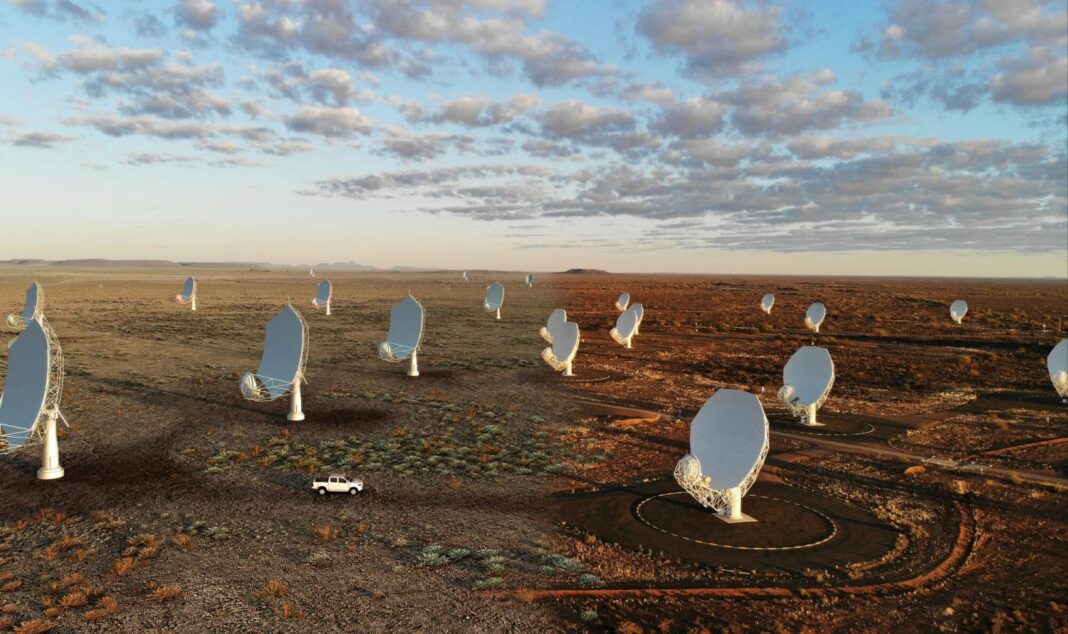
The province is the host of the Square Kilometre Array, which will help boost astrotourism.
The minister said in a statement that the strategy aimed to enhance the performance of the sector through infrastructure developments and improvements.
Other areas to boost the sector would be the optimal functioning of various streams of astronomy with tourism offerings, and boosting transformation by enhancing the livelihoods of local communities.
“South Africa is the first African country to develop a National Astro-Tourism Strategy. Its pillars are infrastructure development, optimising astronomy tourism streams, public-private partnerships, inclusive tourism and transformation,” said the minister.
The minister said the country was gaining a global competitive advantage due to key critical factors.
She identified them as:
- The majority of cloudless skies provide a unique tourism experience for skygazing (optical astronomy)
- Quality dark skies (low light pollution) and radio quiet zones over large areas of the country, especially in rural tourism destinations
- The southern skies advantage. South Africa is favourably positioned to many celestial phenomena that cannot be seen from the Northern Hemisphere
- Four of the world’s best-preserved meteorite impact craters are found in South Africa (unique multi-science offerings) and
- The country hosts two of the globe’s most significant astronomy initiatives, the SKA and the SALT.
De Lille thanked all astronomy role players and tourism stakeholders for their invaluable input into developing the strategy.
She singled out the Northern Cape department of economic development and tourism in her appreciation.
“This strategy positions South Africa as an inclusive astrotourism sector that will yield sustainable benefit sharing opportunities by maximising marketing efforts and enhancing visitor experience. The gallery in the skies, with its cosmic wonder, enhances the experience that is uniquely South African. A tourism star is born!” she said.
INSIDE POLITICS