


By Johnathan Paoli
The Gauteng government will transfer R5.476 billion as the second instalment of its 30% debt share to the SA National Roads Agency (Sanral) to settle outstanding e-toll debt and fund the rehabilitation of Gauteng’s freeway infrastructure.
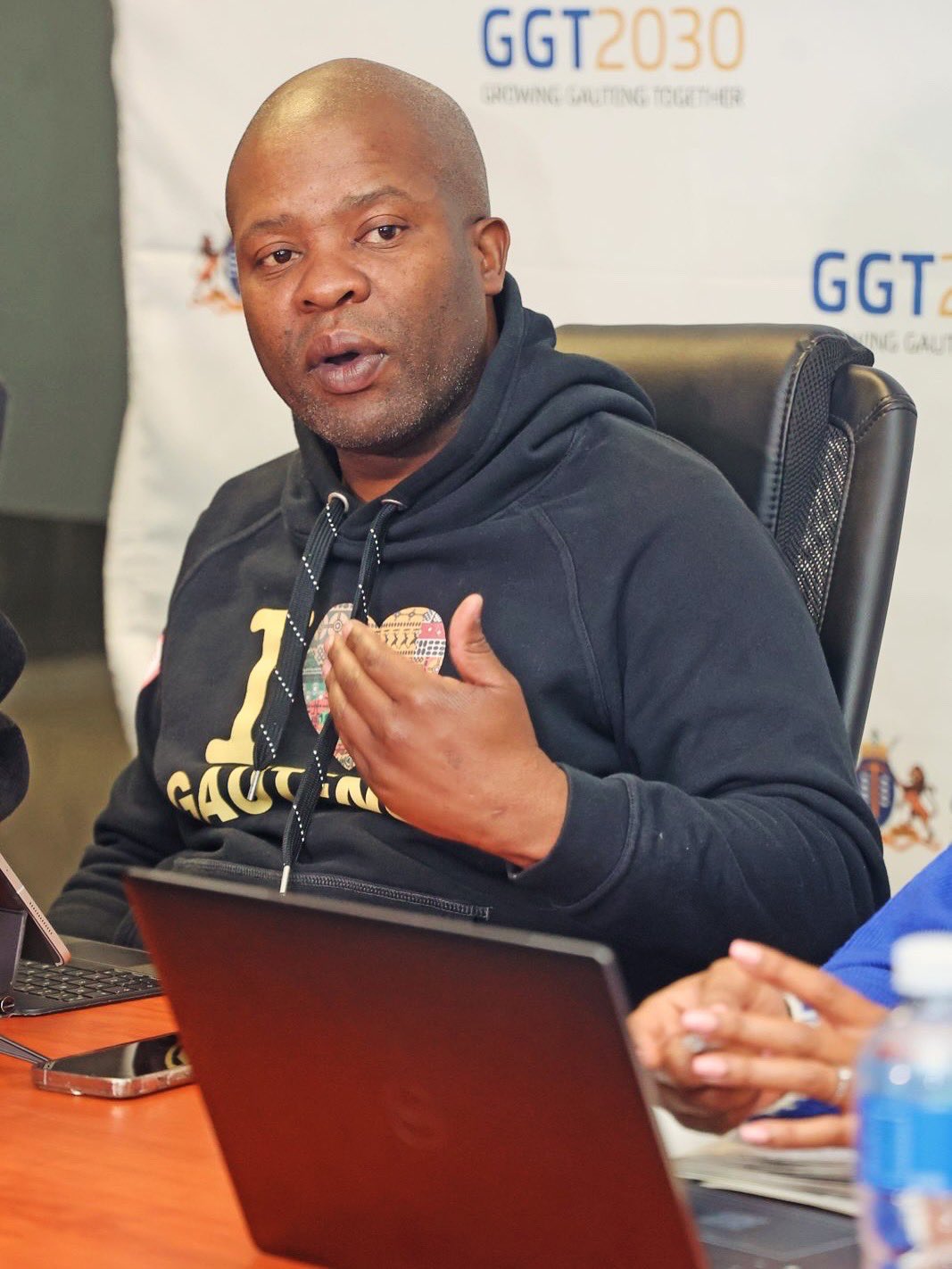
Finance and economic development MEC Lebogang Maile welcomed the transfer as emblematic of Gauteng’s focus on backing large-scale infrastructure rehabilitation while maintaining fiscal rigor.
“Much more work needs to be done to unpack the financing model of GFIP 2 and 3 from a policy perspective and financial impact as well as practical impenetrability. The Gauteng Provincial Government will, in time, be able to communicate developments pertaining to these phases of the Gauteng Freeway Improvement Project whose value to the economy of our province and its residents is incalculable,” Maile said said on Sunday.
The e-toll system, inaugurated under the Gauteng Freeway Improvement Project (GFIP), was officially deactivated on 11 April last year following Budget commitments by Finance Minister Enoch Godongwana.
Per the Memorandum of Agreement signed by Sanral, the National Treasury, Transport Department and the Gauteng government, the financial responsibility is split 70% nationally and 30% provincially.
Gauteng’s share, R15.9 billion including R3.3 billion in interest, will be paid across five equal annual instalments using the government’s five-year fixed borrowing rate.
The first instalment, disbursed on 30 September last year, amounted to R3.8 billion, covering both historical debt (R3.2 billion) and maintenance costs (R546 million).
Gauteng will make its second payment of R3.377 billion on Monday, adhering to planned fiscal discipline outlined in its 2025 Medium Term Expenditure Framework (MTEF).
In parallel, it will allocate R2.099 billion to Sanral for the rehabilitation of nine vital freeway segments as part of GFIP Phase 1.
The cumulative provincial commitment for this redevelopment totals R4.1 billion.
The targeted projects cover approximately 185km across key arterials (N1, N3, N12, N14, and R21).
These include major sections connecting 14th Avenue, Buccleuch, Brakfontein, Scientia, Heidelberg Road, Geldenhuys, Uncle Charlies, Elands, Gillooly’s, Tom Jones, Olifantsfontein, and Hans Strydom.
Under the agreement, Sanral is mandated to use funds strictly for these projects, provide quarterly progress updates and demonstrate economic upliftment through new jobs and improved travel efficiency.
Gauteng’s budget incorporates this large-scale debt servicing without compromising core social and infrastructure priorities.
Maile told reporters that even within a constrained fiscal environment, the province remained focused on its commitment to provincial stewardship.
“The servicing of the e‑toll debt will not compromise our priorities, particularly in relation to social services such as health and education,” he said.
To balance these extensive obligations, the Provincial Treasury has adopted a five-year budget strategy aligned with the 7th Administration’s Medium-Term Development Plan.
Key reform initiatives include active debt management and spending restraint, enhanced supply chain compliance via digitisation and a revenue enhancement strategy focused on expediting existing initiatives, identifying unexplored revenue sources, optimising collection efficiency and exploring alternative funding models.
Maile insists these measures will sustain its fiscal health while fulfilling debt commitments.
While the government is already deep into GFIP Phase 1, the MEC said planning was underway for GFIP Phases 2 and 3, targeting both new freeway routes and further upgrades to existing arteries.
Once fully planned, these phases promise enhanced regional connectivity, reduced congestion and further economic benefits.
Gauteng’s freeway network, which supports the country’s busiest city region, forms the backbone of commuter and freight mobility.
Delays, poor road conditions and congestion have long plagued the province, increasing transport costs and affecting productivity.
INSIDE POLITICS