


By Charmaine Ndlela
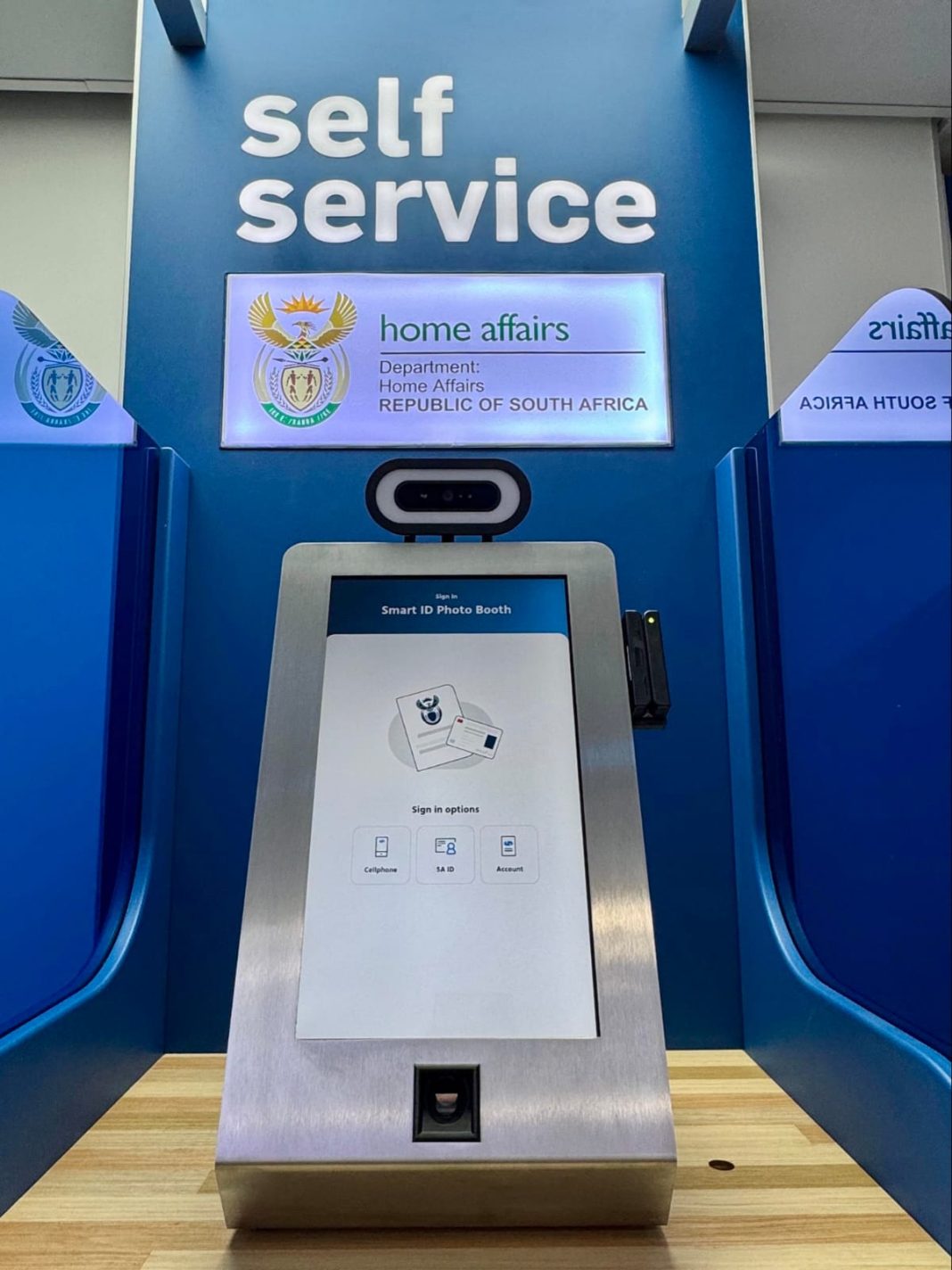
The Department of Home Affairs has launched self-service Smart ID terminals at selected bank branches, with Capitec and Standard Bank the first institutions to go live under a new digital partnership model.
Capitec launched the service at seven branches on Monday, with a further six branches scheduled to come online later in the week.
ALSO READ: IEC sets June voter registration weekend
Standard Bank launched at two branches on the same day, with two more due to follow on Thursday.
Home Affairs said the number of live branches would increase from nine to 17 by the end of the week, while First National Bank remained in the final phase of testing.
Participating banks connect directly to Home Affairs through a secure API-based digital gateway. Previously, clients had to log onto the eHomeAffairs portal, make bookings online and visit a branch, mainly for biometric capture.
The first phase of the rollout is limited to South African citizens, qualifying naturalised citizens and permanent residents who still hold the green ID book and want to convert to the Smart ID card, as well as reissues for existing Smart ID holders.
Passport services, first-time Smart ID applications, courier delivery and applications through banking apps are expected to be added later in 2026.
Applicants do not need to book in advance at participating branches.
They complete the process at the bank using a paperless self-service terminal, where biometric information is captured and verified against Home Affairs systems. The department says the application can be completed in about five to ten minutes, while Capitec says its in-branch process takes less than five minutes.
ALSO READ: Fadiel Adams tells ad hoc committee to subpoena Crime Intelligence finances
Minister of Home Affairs Leon Schreiber said the new model is intended to reverse the traditional approach to government service delivery.
“Instead of forcing everyone to travel to a central office, we are making these services available at trusted banking locations, where people already go for their daily banking needs,” Schreiber said.
Schreiber also said the digitised system improves security by reducing opportunities for interference in the application process.
“The previous manual system had vulnerabilities that could be exploited through manipulation or bribery. With this system, you cannot bribe a computer,” he said.
Home Affairs says about 16 million South Africans still rely on the green ID book, which is highly vulnerable to fraud.