

By Annika Hammerschlag/AP
As missiles and drones curtail energy production across the Persian Gulf, analysts warn that water, not oil, may be the resource most at risk in the energy-rich but arid region.
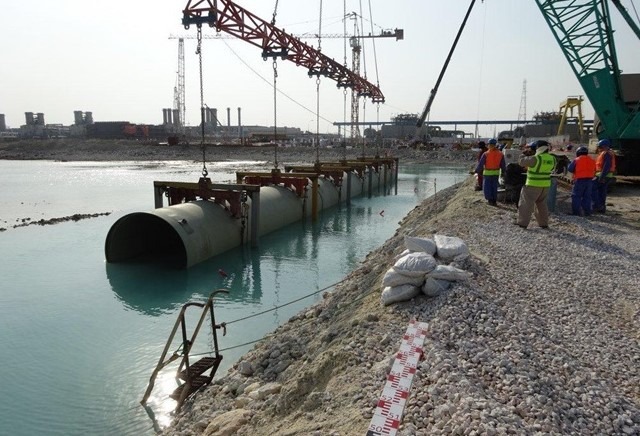
Hundreds of desalination plants sit along the Persian Gulf coast, putting individual systems that supply water to millions within range of Iranian missile or drone strikes. Without them, major cities could not sustain their current populations.
In Kuwait, about 90% of drinking water comes from desalination, along with roughly 86% in Oman and about 70% in Saudi Arabia.
The technology removes salt from seawater — most commonly by pushing it through ultra-fine membranes in a process known as reverse osmosis — to produce the freshwater that sustains cities, hotels, industry and some agriculture across one of the world’s driest regions.
For people living outside the Middle East, the main concern of the Iran war has been the
You’ve reached your free article limit
Subscribe to enjoy unlimited access to trusted journalism. Cancel anytime.
Subscribe nowNeed help? molokom@insidepolitic.co.za