

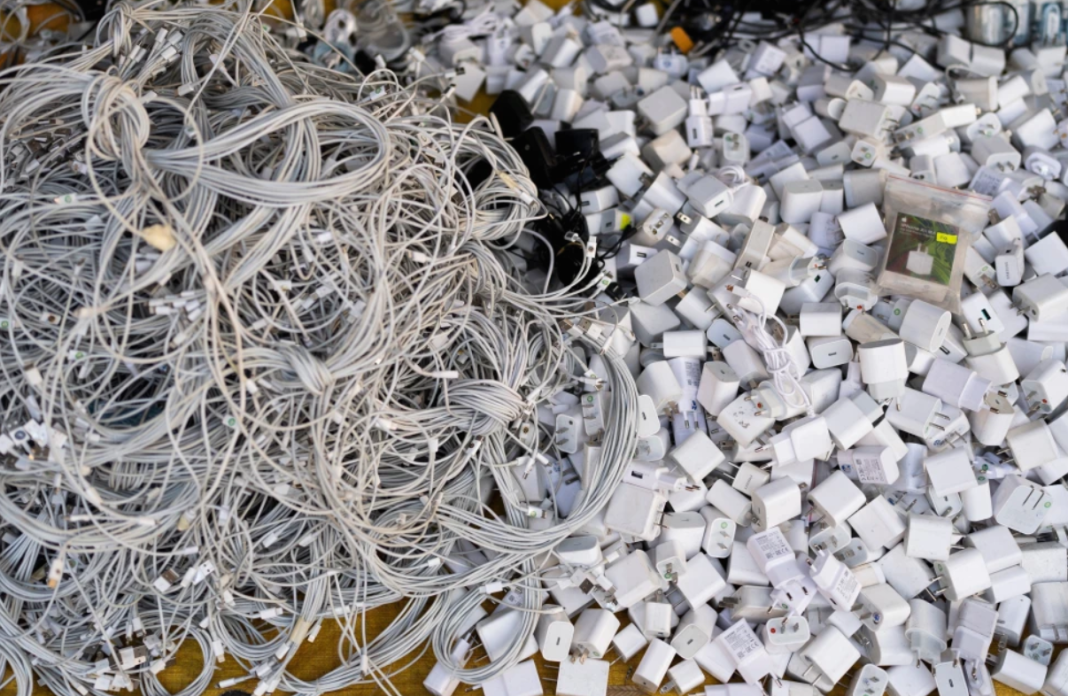


Many consumers are guilty of filling drawers or closets with old laptops, cellphones, fitness trackers and other electronic devices once they are no longer needed. It’s hard to know where to recycle those items, or it seems costly and inconvenient.
The world generates millions of tons of electronic waste — also called e-waste — each year. According to the United Nations’ most recent estimate, people worldwide produced 137 billion pounds (62 million metric tons) of e-waste in 2022, and only about 22% of it was properly recycled. The Environmental Protection Agency estimates that less than a quarter of e-waste is recycled in the U.S. each year.
Keeping e-waste out of landfills is important because the devices contain materials that can harm the environment. Electronics can also contain precious metals and rare earths that are hard to source, making recycling valuable to businesses.
“The way that we’re creating and using
You’ve reached your free article limit
Subscribe to enjoy unlimited access to trusted journalism. Cancel anytime.
Subscribe nowNeed help? molokom@insidepolitic.co.za






