

By Simon Nare
The Nkabinde Inquiry has heard that former KwaZulu-Natal Director of Public Prosecutions Advocate Simphiwe Mlotshwa was unable to assist the panel on key issues, citing a lack of evidence and limited knowledge of the matters under review.
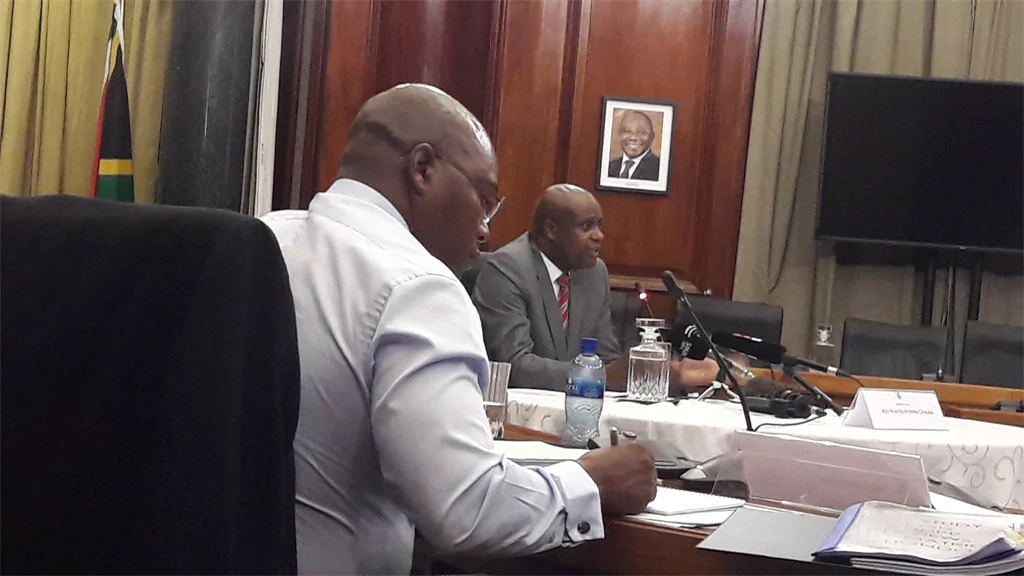
The inquiry, chaired by retired Constitutional Court Justice Bess Nkabinde, is probing the fitness of South Gauteng DPP Advocate Andrew Chauke to hold office.
Mlotshwa, who testified on his role in racketeering charges linked to the now-disbanded Cato Manor organised crime unit, conceded under cross-examination that he had no evidence suggesting Chauke was unfit for office.
During questioning by Chauke’s counsel, Advocate Tembeka Ngcukaitobi, Mlotshwa said Chauke had never pressured him to sign a prosecution memorandum or authorise charges without evidence, as previously alleged by National Director of Public Prosecutions Shamila Batohi.
He also denied claims that Chauke attempted to force him to sign a non-existent case docket, stating he
You’ve reached your free article limit
Subscribe to enjoy unlimited access to trusted journalism. Cancel anytime.
Subscribe nowNeed help? molokom@insidepolitic.co.za