
By Simon Nare
The parliamentary portfolio committee on tourism has raised concerns over governance, financial transparency, implementation, and the effectiveness of South African Tourism’s (SAT) programmes aimed at promoting the country as a preferred destination.
In its consideration of the draft budget vote report, adopted after being tabled in the National Assembly on Tuesday, the committee noted continued governance challenges at SAT.
It further flagged the SAT Board for failing to take responsibility for these challenges, including its absence when it was due to present the 2026/27 Annual Performance Plan.
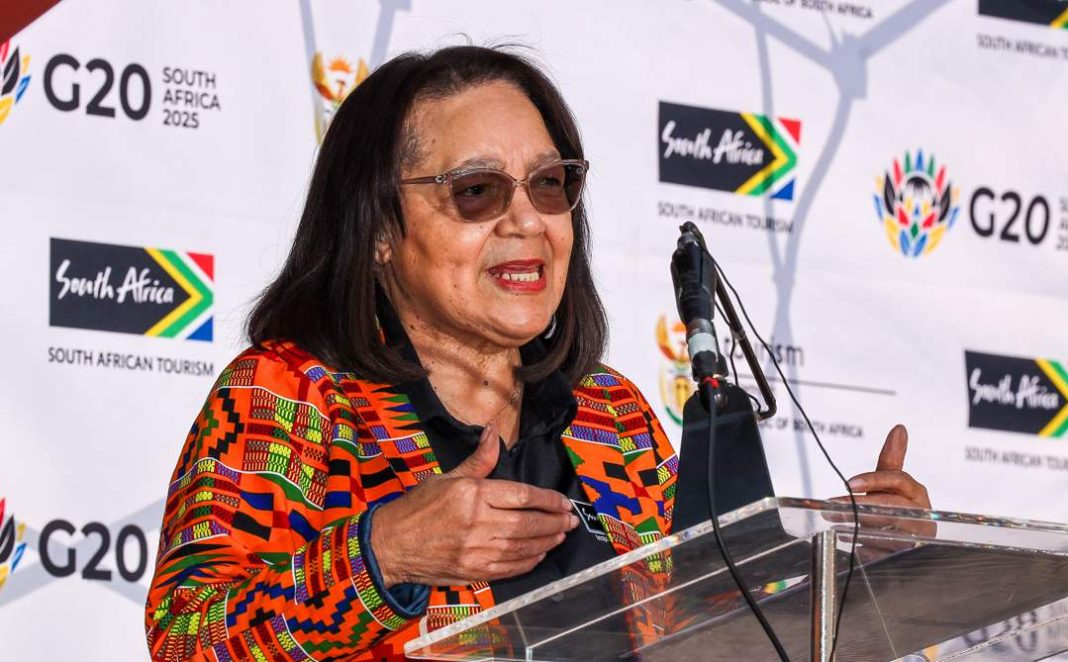
Tourism Minister Patricia de Lille shared in the committee’s frustration.
“The Committee regarded the actions of the Board as being delinquent in not performing its fiduciary duties of reporting to Parliament,” the report stated.
The committee also called for clarity on the Tourism Amendment Bill, noting that it had previously been referenced in policy discussions with the Minister and that some information had been provided.
However, it said it remained unclear when the Bill would be tabled in Parliament.
“The Committee emphasised that the legislative framework was crucial for enabling meaningful reform within the tourism sector, and delays in this process could hinder progress,” the report said.
The report further pointed out that SA Tourism had set a target of building a high-performance culture, but no mechanisms had been presented on how this would be achieved.
It also highlighted a lack of detail on how SAT intended to improve audit outcomes, strengthen internal controls, and enhance staff performance.
“This information is critical as previous audit findings at SA Tourism had yielded a qualified audit with material irregularities,” it said, adding that the committee wanted assurances that sufficient internal controls were in place to prevent a recurrence of past challenges, particularly in procurement, financial management, and reporting.
While noting that the Annual Performance Plans were comprehensive in scope, the committee said several critical areas lacked sufficient detail, particularly on implementation timelines and measurable outcomes.
“It was observed that the Annual Performance Plans of the Department and SA Tourism contained ambitious targets as driven by the Tourism Growth Partnership Plan.
However, the plans lack clear and detailed breakdowns of how funds would be spent across specific programmes and initiatives, especially at SA Tourism,” the report said.
It added that there was no clear indication of how impact assessments of planned targets would be conducted, raising concerns about Parliament’s ability to exercise effective oversight on performance measurement and evaluation.
The committee also flagged “open-ended targets”, such as projected tourist arrivals by 2030, without clear mechanisms on how these would be measured and monitored.
It said this made it difficult to assess whether public funds were being used economically and efficiently.
“As a result, there is a need for both the department and SA Tourism to table addendums providing all the relevant details,” the report said, adding that a more integrated and visible approach was needed to reassure both domestic and international tourists.
Despite the concerns, MPs unanimously adopted the report and agreed that written recommendations from members would be incorporated into the final version.
INSIDE POLITICS





