By Thapelo Molefe
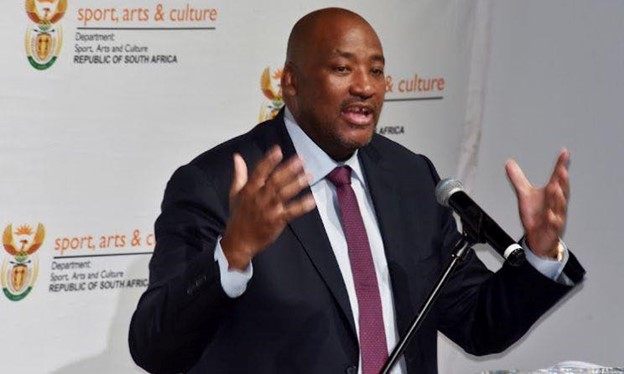
Sports, Arts and Culture Minister Gayton McKenzie says government will continue with its geographical renaming programme despite growing public backlash, arguing that transforming South Africa’s heritage landscape is essential to building a democratic identity.
Speaking during his department’s 2026 Budget Vote debate in the National Assembly on Tuesday, McKenzie defended the renaming process and outlined plans to accelerate the restitution of cultural artefacts and human remains taken during colonialism.
McKenzie acknowledged growing public debate around renaming processes but said resistance should not deter government from pursuing transformation in the heritage sector.
“The transformation of our heritage landscape cannot be postponed. We will push it forward with clear conscience and consistent purpose,” he said.
He specifically defended the inclusion of liberation struggle figure Robert Sobukwe in recent geographical renaming decisions, saying criticism of such moves often reflected resistance to historical correction.
“When you recognise Robert Sobukwe, who made a profound sacrifice and was kept in the most inhuman form of isolation on Robben Island, one’s phone never stops ringing,” McKenzie said.
He noted that reactions to renaming decisions often differed depending on the political standing of the historical figure being honoured.
“Robert Sobukwe was a man for whom the apartheid state wrote an entire piece of legislation – the Sobukwe Clause – so that they could hold him on Robben Island, alone, year after year, without charge or trial,” he said.
McKenzie also announced an intensified programme to repatriate cultural artefacts and ancestral remains removed during colonialism, saying South Africa must lead continental efforts on restitution.
“We cannot call on the West to return the hundreds of thousands of pieces in their collections that, by rights, they should not possess, if we do not lead by example on our own continent,” he said.
The department has recently overseen the return of Khoi and San ancestral remains in the Northern Cape, as well as the repatriation of the Zimbabwe soapstone bird and other ancestral remains to Zimbabwe.
McKenzie said technical teams had been deployed to Lesotho, Angola, Zambia and Zimbabwe as part of ongoing repatriation work.
“There are still thousands of our heroes buried on foreign soil. We will not rest until they have reached their final rest,” he said.
The minister also confirmed that the National Heritage Resources Act is under review alongside the development of a new Heritage Masterplan and updated policies on heritage memorialisation.
McKenzie said 22 geographical names had already been gazetted during the current financial year as part of the department’s ongoing transformation programme.
He maintained that reshaping South Africa’s heritage landscape would continue despite controversy, describing it as central to democratic nation-building.
INSIDE POLITICS