
Des Erasmus
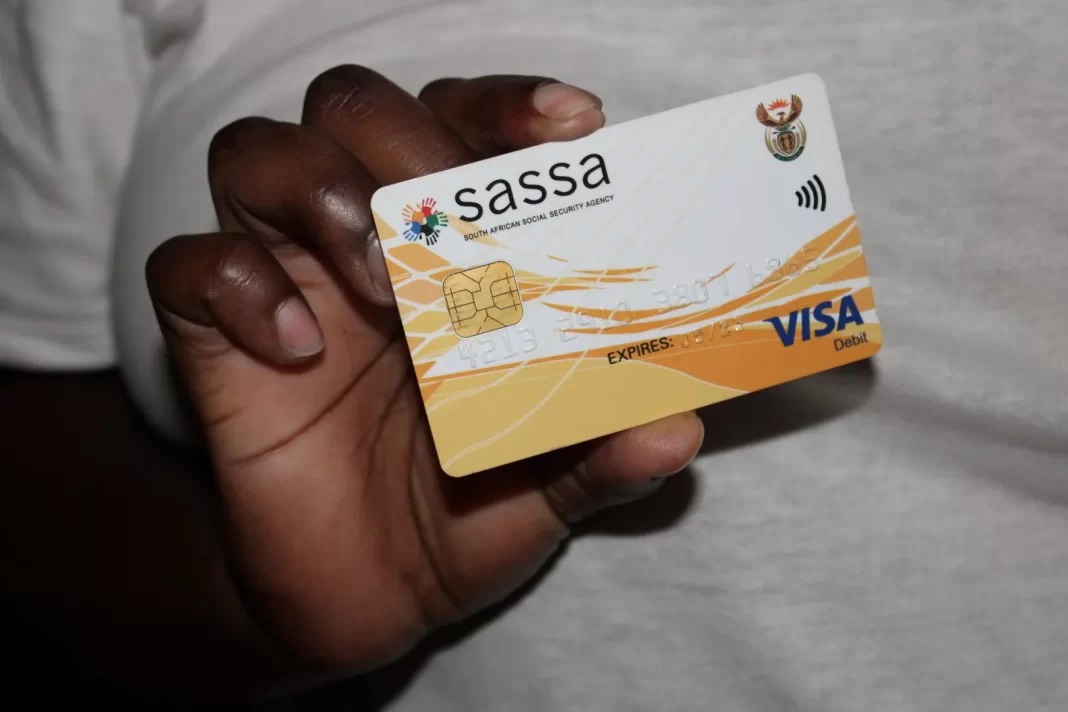
Half of South Africa’s households receive social grants, according to the latest General Household Survey.
Released by Stats SA on Tuesday, the survey found that grants reached 39.5% of individuals and 50.6% of households in 2025, while 24.4% of households relied on grants as their main source of income.
The increase in grant coverage accelerated after the introduction of the special COVID-19 Social Relief of Distress (SRD) grant in 2020, which was initially designed to temporarily cushion income losses during the pandemic.
ALSO READ: Cele, Tolashe among five ANC members to face disciplinary action
Salaries and wages remained the main income source for 54.3% of households, but the figures show how heavily South Africa’s tax-funded safety net is supporting households in an economy that has struggled to generate jobs and income.
The survey tracks basic service delivery, healthcare, education, agriculture, household composition, income, food access, water, sanitation, energy, and refuse removal.
It showed that food insecurity remained severe, with many households still unable to secure enough food despite widespread access to grants.
“Almost one quarter (22,0%) of households considered their access to food as inadequate or severely inadequate,” the report said.
That was 4.2 percentage points higher than in 2019, before the COVID-19 pandemic, with the Northern Cape worst affected at 43.0% and Limpopo lowest at 6.1%.
The findings come despite improvements in basic service delivery since 2002. Access to improved sanitation increased from 61.7% in 2002 to 84.0% in 2025, while access to mains electricity increased from 76.7% to 90.6%.
Almost nine in 10 households had access to piped water in a dwelling, yard or communal tap.
ALSO READ: Ramaphosa files court bid to review Phala Phala panel report
But rural households lag far behind urban households in access to waste services.
“Access to refuse removal services highlights ongoing inequality,” the report said.
The survey found that 84.9% of urban households received regular refuse removal, compared with only 13.0% of rural households. It also found that 84.7% of households reported burning waste, while just 10.5% separated recyclable material.
Health access remained deeply unequal, with medical aid still out of reach for most households.
“Medical aid coverage remained relatively unchanged at 15,5%,” the report said.
Coverage was highest in the Western Cape at 25.9% and Gauteng at 22.1%, and lowest in Limpopo at 8.2% and KwaZulu-Natal at 9.5%.
The survey also showed growing social pressure on children and households. Fewer than one-third of children lived with both biological parents in 2025, while 45.9% lived with their mothers only, 18.5% lived with neither parent and 11.2% had lost one or both parents.
ALSO READ: How Matlala talks with state could shake SAPS leadership
Female-headed households accounted for 42.6% of all households, increasing to 47.6% in rural areas.
According to the report, the share of adults with no education fell from 11.4% in 2002 to 2.6% in 2025, while those with at least a National Senior Certificate increased from 30.7% to 53.5%.
But early childhood development remained uneven, with only 36.3% of children aged 0 to four attending ECD facilities, while 50.2% were cared for at home.





