
- Advertisement -spot_img

Suez Canal gets oil-tanker boost amid Hormuz Strait shutdown

- Advertisement -spot_img

Must read

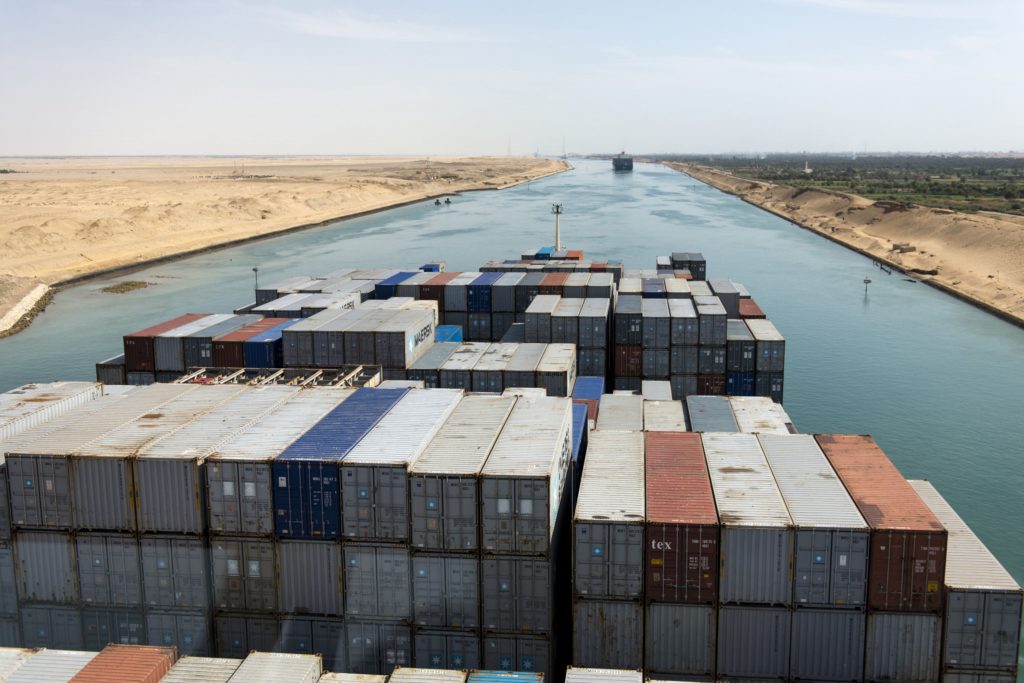
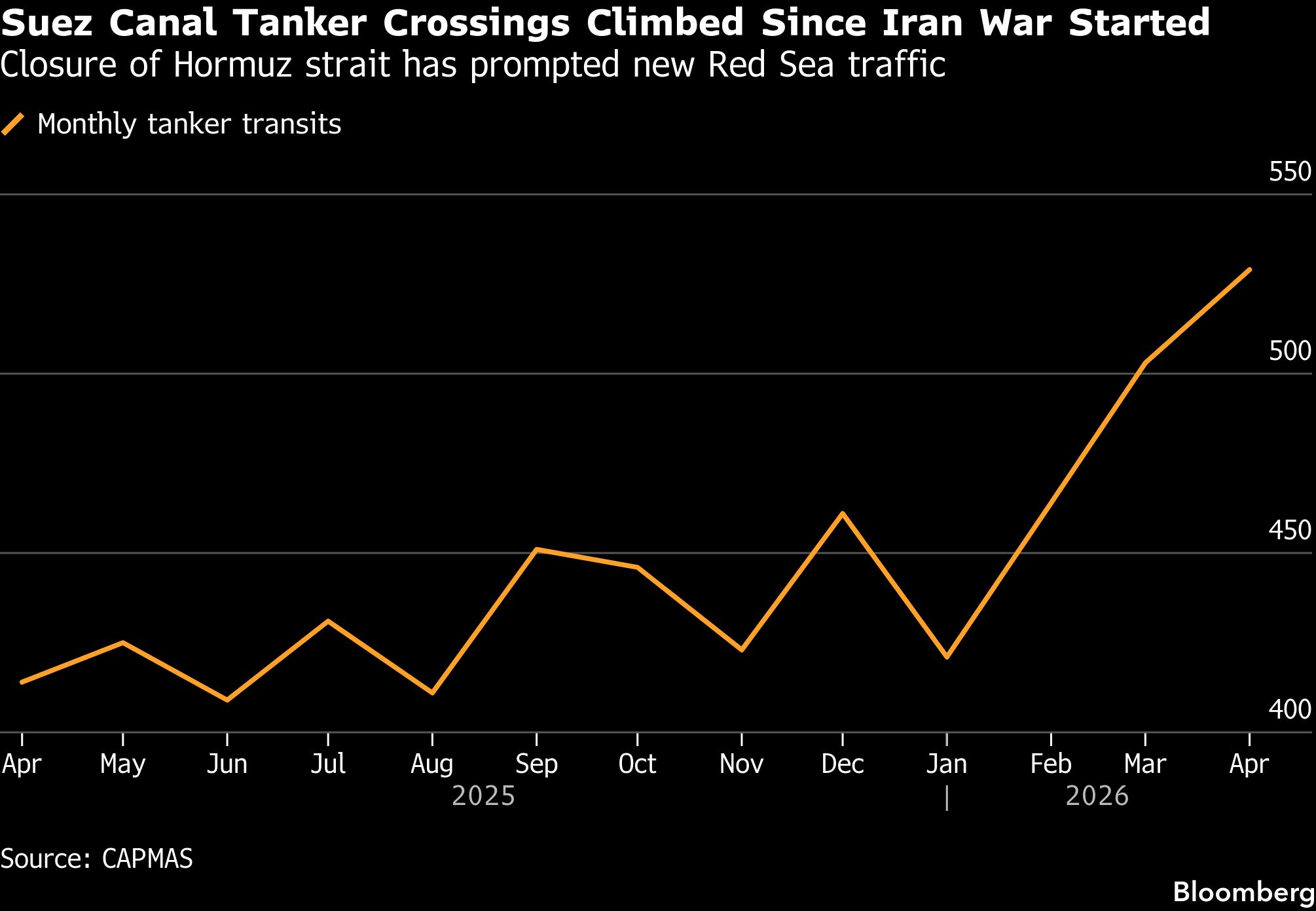
The number of oil tankers crossing Egypt’s Suez Canal surged by almost a third in April and drove revenue to the highest since early 2024, as the closure of the Strait of Hormuz spurred an alternative Red Sea energy route.

A total of 529 tankers transited that month, 28% more than the year before, according to state statistics agency CAPMAS. Broader traffic picked up too, with 1,182 vessels of all types making the journey — a 14% increase on April 2025.

While Suez Canal crossings dropped after Houthi rebels in Yemen began attacking shipping in the southern Red Sea more than two years ago, the latest publicly available data in Egypt suggests the knock-on effects of the US-Israeli war on Iran have brought an unanticipated fillip.
The Hormuz strait, through which a fifth of the world’s crude and liquefied natural gas once transited, has been effectively shut since shortly after the Iran conflict erupted on February 28.

Saudi Arabia, the world’s largest oil exporter, is among those who’ve found workarounds. The kingdom activated a backup pipeline to transfer crude to the Red Sea port of Yanbu, from where it’s loaded and shipped overseas.

While many vessels headed south past Yemen and the Bab el-Mandeb — another narrow chokepoint — the data suggests some may have gone north via Egypt. Other Gulf nations have used Saudi Arabia’s ports such as Jeddah and its roads across the Arabian peninsula for imports.

The Suez Canal “is turning out to be an unexpected net beneficiary” of the latest regional conflict, said Mohamed Abu Basha, head of macroeconomic analysis at investment bank EFG Hermes.

Revenue from the waterway was $419 million in April, 27% more than the year before and the highest monthly figure since early 2024 when the Houthis stepped up shipping attacks, CAPMAS data show. It has traditionally been an important source of Egypt’s foreign exchange, along with tourism and overseas remittances.

“Jeddah has turned out to be a lifeline, not just for Saudi’s economy, but the broader Gulf Cooperation Council,” Abu Basha said. The rerouting and “shipping of goods is likely to be gradually reflected in Suez Canal revenues in the coming months.”

Yemen’s Houthis began targeting international shipping to pressure Israel shortly after the war in Gaza erupted in late 2023. With vessels keeping away from the Red Sea, Suez Canal transits plunged.

Authorities estimate at least $9 billion of potential revenue has been lost due to the disruption. Despite the recent uptick, both total crossings and revenue remain far below their levels before the Gaza war. Some 2 300 ships crossed the canal in April 2023, according to CAPMAS data.

The Iran-linked Houthis halted their attacks after a ceasefire took hold in the Palestinian territory last fall, and Egypt had been expecting a gradual recovery in traditional traffic.

The US-Israeli war on Iran has thrown in a wildcard. While it has created new routes and demand, there’s also the risk the Houthis resume and extend their assaults if tensions rise.

The militants on Monday declared a “complete ban” on Israeli shipping in the Red Sea as Iran and Israel briefly traded fresh attacks. It’s not clear what the Houthis will define as an Israeli vessel or whether it will mean a return to wider danger.

“A recovery of the waterway’s revenues back to its historical level could be the biggest near-term positive shock” for Egypt and reduce its current-account deficit by 25% to 30%, according to Abu Basha.

But that “largely depends on the post-war geopolitical setting,” he said.

BLOOMBERG

More articles

LEAVE A REPLY

Please enter your comment!
Please enter your name here

Inside Education E-Edition

spot_img

CATHSSETTA

spot_img

AVBOB STEP 12

spot_img

Inside Metros G20 COJ Edition

spot_img

JOZI MY JOZI

spot_img

QCTO

spot_img

Latest article



