- Advertisement -spot_img

Gana files papers opposing Ramaphosa bid to halt Phala Phala impeachment process

- Advertisement -spot_img

Must read

Thapelo Molefe

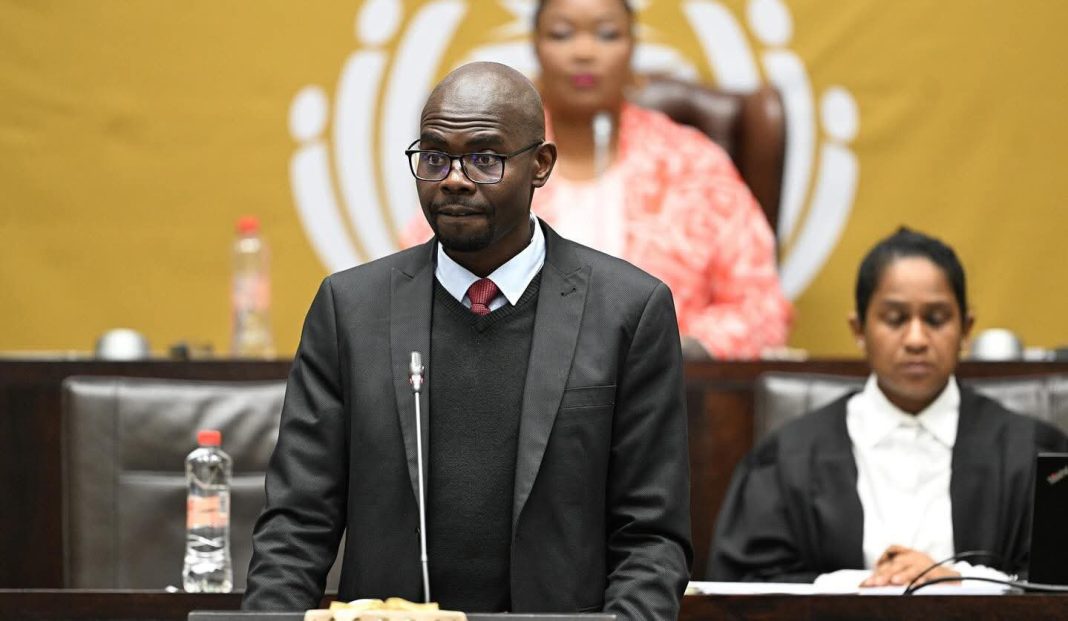
The chairperson of Parliament’s Section 89 Impeachment Committee, Makashule Gana, has filed court papers opposing President Cyril Ramaphosa’s urgent application to halt the committee’s work on the Phala Phala matter.

The matter is set to be heard in the Western Cape High Court on 15 and 16 July.

In a statement issued by Parliament on Monday, Gana confirmed that he had filed an answering affidavit opposing Ramaphosa’s bid to stop the committee from proceeding while the President’s review application is before the courts.

Gana said the committee would continue with its work despite the legal challenge and would meet on Wednesday to consider its draft terms of reference and the process for appointing evidence leaders.

Ramaphosa is seeking an interdict to prevent the committee from continuing while his review application challenging the impeachment process is being considered by the courts.

The committee was established after the Constitutional Court’s 8 May judgment set aside the National Assembly’s 2022 decision not to proceed with the impeachment process and referred the Independent Panel’s report to an Impeachment Committee for consideration.

The Independent Panel had found, on a prima facie basis, that Ramaphosa may have committed serious violations of the Constitution or the law and serious misconduct in relation to the 2020 theft of foreign currency from his Phala Phala game farm in Limpopo.

In his answering affidavit, Gana said that granting the interdict would effectively suspend the committee’s work for years while legal proceedings and possible appeals run their course.

“What it means is that the Committee’s work will remain suspended for a few years taking into account that legal processes in courts take time,” Gana said.

He said such a delay would undermine Section 237 of the Constitution, which requires constitutional obligations to be performed without delay.

Gana maintained that the committee had already begun its work and rejected any suggestion that it had not commenced the impeachment process. He said the committee’s work included preparatory meetings, setting procedures and preparing for the appointment of evidence leaders.

A central argument in Gana’s affidavit is that the Constitutional Court’s judgment of 8 May is final and binding.

He contended that the High Court lacks jurisdiction to halt the implementation of a Constitutional Court order.

“The High Court simply lacks jurisdiction to stay the implementation of the order of the Constitutional Court,” Gana stated, adding that only the Constitutional Court could alter or suspend its own orders.

Gana also argued that Ramaphosa’s review application attacks a report that has already been considered by the Constitutional Court and referred to the impeachment committee, making any High Court review largely academic.

He further warned that an interdict would violate the constitutional principle of separation of powers by preventing Parliament from carrying out a function specifically mandated by the country’s highest court.

Addressing concerns raised by the President about possible reputational harm during the inquiry, Gana said the committee would conduct its work independently, fairly and transparently. He stressed that the President would have opportunities to challenge evidence and present his version of events.

Gana also noted that the committee itself cannot remove the President from office. Any recommendation for removal would have to be referred to the National Assembly, where a two-thirds majority would be required to support impeachment.

“The President will not be removed by the Committee,” he said.

“If at the end of the enquiry none of the charges are supported by credible and admissible evidence, the Committee is in law enjoined to return a verdict of not guilty.”

Gana concluded that Ramaphosa had failed to establish a right worthy of urgent protection and that the requirements for an interdict had not been met.

“It is plain from the foregoing that the interdict sought cannot succeed,” he said.

INSIDE POLITICS

More articles

LEAVE A REPLY

Please enter your comment!
Please enter your name here

Inside Education E-Edition

spot_img

CATHSSETTA

spot_img

AVBOB STEP 12

spot_img

Inside Metros G20 COJ Edition

spot_img

JOZI MY JOZI

spot_img

QCTO

spot_img

Latest article