
- Advertisement -spot_img

Only two Gauteng municipalities retain clean audits as Joburg and Ekurhuleni regress

- Advertisement -spot_img

Must read

By Charmaine Ndlela

Only two of Gauteng’s 11 municipalities — Midvaal Local Municipality and West Rand District Municipality — achieved clean audits for the 2024/25 financial year, while the City of Johannesburg and the City of Ekurhuleni regressed to qualified audit opinions, signalling a decline in municipal financial governance.

Midvaal extended its clean audit streak to 13 consecutive years, while the West Rand District Municipality secured its second successive clean audit.

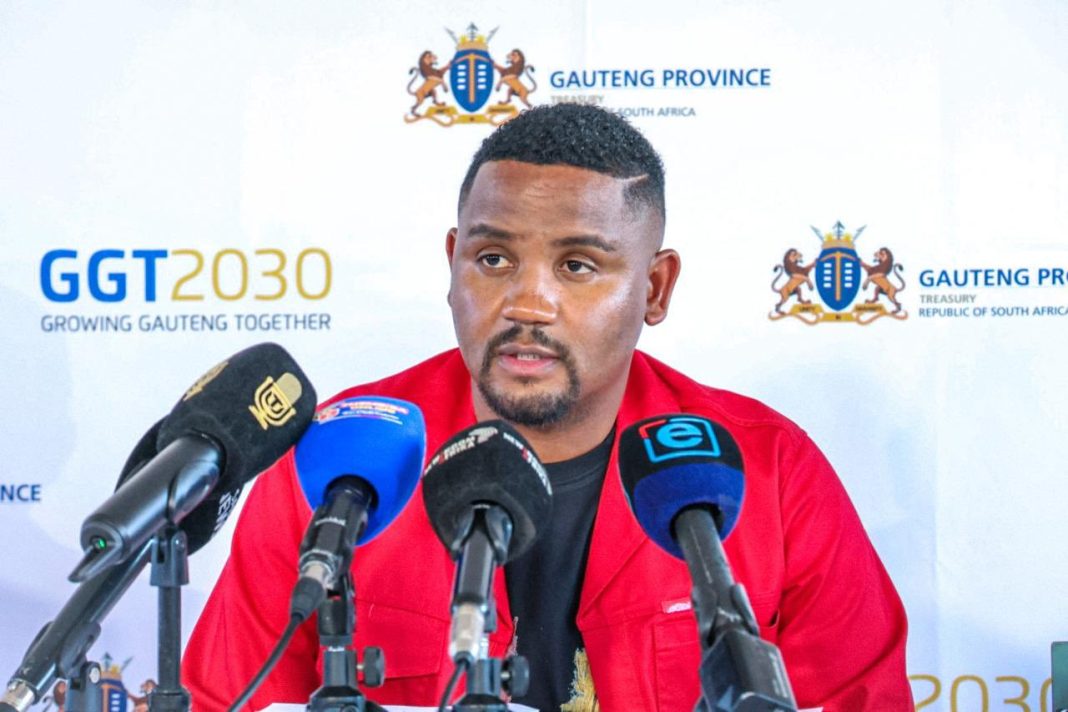
Gauteng Finance MEC Nkululeko Dunga released the consolidated municipal audit outcomes during a media briefing at Makause Informal Settlement in Germiston on Sunday.

Dunga said the province recorded an overall regression in audit outcomes.

“Six of the eleven municipalities received unqualified audit opinions with findings, two received clean audits with no findings at all, and three received qualified audit opinions,” he said.

“Overall, the audit outcomes of our province regressed in 2024/25.”

He said the clean audits demonstrated that good governance was achievable when municipal leadership remained committed to sound financial management.

Audit outcomes for Mogale City, Rand West City, Sedibeng District Municipality and Lesedi Local Municipality remained unchanged, with all retaining unqualified audit opinions.

Dunga singled out Mogale City for starting the financial year with a zero opening balance for unauthorised, irregular, fruitless and wasteful expenditure.

However, he cautioned that this did not erase historical financial irregularities, saying public funds lost through irregular expenditure should still be recovered where possible.

Ncumisa Mnyani, Head of Department (HOD) for the Gauteng Provincial Treasury. PHOTO: GautengProvincialTreasury

The province’s metropolitan municipalities continued to perform poorly.

Johannesburg and Ekurhuleni both regressed from unqualified to qualified audit opinions, while the City of Tshwane remained qualified.

According to Dunga, Tshwane accumulated R12.17 billion in irregular expenditure, R5.22 billion in unauthorised expenditure and R3.61 billion in fruitless and wasteful expenditure over the past four financial years.

Johannesburg recorded R6.55 billion in irregular expenditure, R6.81 billion in unauthorised expenditure and R400 million in fruitless and wasteful expenditure over the same period.

Dunga described Ekurhuleni’s regression as particularly concerning, citing R620 million in irregular expenditure over four years, R400 million in unauthorised expenditure in a single financial year and R80 million in fruitless and wasteful expenditure accumulated over three years.

He said the poor audit outcomes reflected more than accounting failures, pointing to deteriorating service delivery, including polluted water sources, underutilised public infrastructure, stalled housing projects and persistent water and electricity losses.

Across Gauteng, irregular expenditure increased sharply from R6.6 billion in 2020/21 to R14.44 billion in 2024/25, representing 14% of the province’s total municipal expenditure budget.

Dunga said both Johannesburg and Ekurhuleni failed to enforce basic financial controls and maintain reliable IT systems, resulting in repeated manual corrections, slow implementation of audit action plans, weak consequence management and continued reliance on annual audits to detect errors.

He quoted the Auditor-General as saying municipalities continued to identify errors “that should never have been made.”

He added that Ekurhuleni, Johannesburg and Emfuleni Local Municipality formally disputed their audit findings this year.

Municipalities accumulated R45.92 billion in irregular expenditure over the current administration.

Dunga also criticised municipalities for reducing service delivery targets during budget adjustments without cutting the budgets allocated to those programmes.

“When a municipality would rather lower what it promises to deliver than explain why it cannot spend what it has been given, that is a governance failure hiding inside a budget adjustment,” he said.

To strengthen accountability, the Gauteng Provincial Treasury will introduce interim financial reporting, tighter monitoring of irregular expenditure, targeted support for struggling municipalities and an Auditor-General findings tracker to monitor implementation of audit recommendations.

“On a quarterly basis, we will assess the functioning of internal audit units and the audit committees at every municipality and share what is working and what is not through our Internal Audit and Risk Management Forum every six months,” Dunga said.

“We will conduct targeted oversight visits to stalled infrastructure projects across the municipalities and will insist on monthly, and not annual, reporting on the implementation of Section 131 audit action plans so that a finding raised in July is not still open the following July.”

Dunga also called for stronger consequences against municipal managers responsible for material irregularities, saying unresolved audit findings continued to undermine public services and erode confidence in local government.

“This is not a story about the absence of money. It is a story about the absence of discipline in how money is spent in our municipalities,” he said.

INSIDE POLITICS

More articles

LEAVE A REPLY

Please enter your comment!
Please enter your name here

Inside Education E-edition June 2026

spot_img

CATHSSETTA

spot_img

AVBOB STEP 12

spot_img

Inside Metros G20 COJ Edition

spot_img

JOZI MY JOZI

spot_img

QCTO

spot_img

Latest article



