
- Advertisement -spot_img

OPINION| Public office is not a rehabilitation programme 

- Advertisement -spot_img

Must read

By Ismail Joosub 

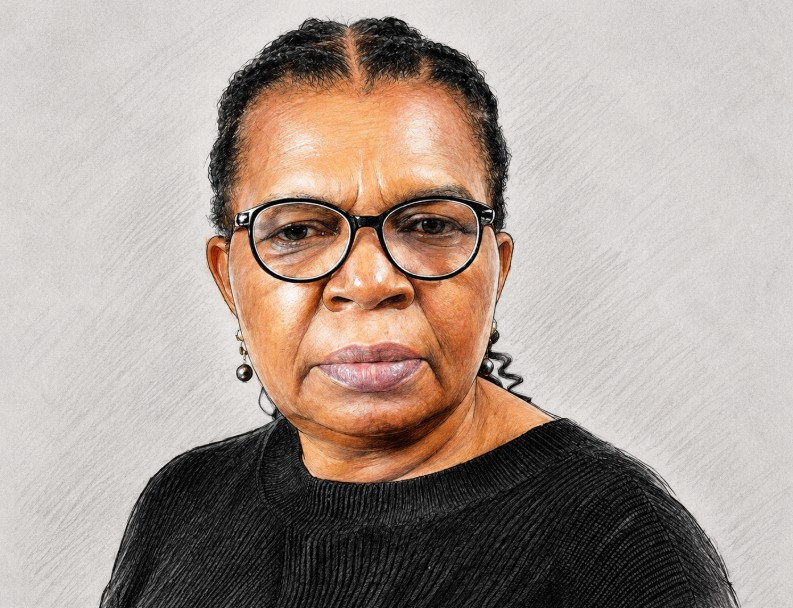
President Cyril Ramaphosa had the constitutional power to appoint Dina Pule as Minister of Social Development. The question is whether lawful appointment power should end the inquiry when the person selected carries serious findings of past misconduct. 

In a constitutional democracy founded on accountability, responsiveness and openness, legality should be the starting point of confidence, not a substitute for it.

Pule was removed from Cabinet in 2013 amid investigations into the ICT Indaba and her relationship with businessman Phosane Mngqibisa

Parliament’s multiparty ethics process later found that she had failed to disclose relevant interests, provided misleading information and wilfully misled the panel. She was reprimanded, fined the equivalent of 30 days’ salary and suspended from parliamentary activity for 15 days. 

The Public Protector subsequently found that she had failed to manage a conflict of interest, allowed officials to facilitate improper benefits for Mngqibisa and acted inconsistently with section 96 of the Constitution and the Executive Ethics Code.

Pule was not criminally convicted in the ICT Indaba matter and not every allegation against her was substantiated. 

The question is therefore not whether she should be permanently excluded from public life. 

Return to public power must be explained 

Democratic government should permit punishment, correction, contrition and return. But return to Cabinet is not an ordinary second chance. It is the restoration of substantial public power and where trust has previously been broken, that restoration should be explained.

This is especially important in Social Development. National Treasury estimates that 42% of South Africa’s population relies on social grants or social relief of distress as a major source of income. 

The department’s 2026/27 budget exceeds R302 billion, with almost R293 billion directed to social assistance. It is responsible for children, older persons, persons with disabilities and households living close to the edge. Its work includes preventing fraud, protecting grant administration and ensuring that rightful beneficiaries are paid on time.

South Africa has already seen the consequences when leadership failures in this portfolio become litigation, administrative paralysis and public anxiety. 

Bathabile Dlamini 

The social-grants crisis under former Minister Bathabile Dlamini resulted in severe criticism and a personal costs order. That history should have produced a high standard for leadership at Social Development. Instead, the public has been given the appointment but not the reasoning behind it.

Section 91 of the Constitution gives the President authority to appoint and dismiss Ministers. Sections 92 and 96, however, make clear that Cabinet members are accountable to Parliament, must act in accordance with the Constitution and may not expose themselves to conflicts of interest or use office to benefit themselves or others improperly. 

South Africa therefore regulates misconduct once a Minister is in office, but has no transparent public-integrity threshold for determining when a person with serious adverse findings is fit to return.

Integrity requirements 

And, that gap creates a troubling inversion. Ordinary public servants, tender bidders and candidates for several independent institutions must satisfy integrity requirements beyond bare legal eligibility. Yet at the apex of executive government, the public is often expected to accept that because an appointment may lawfully be made, it has been sufficiently justified.

The answer is not an automatic lifetime ban. Such a rule would be unfair to genuine rehabilitation. The answer is to require the Presidency to show its work. Whenever a Minister or Deputy Minister with serious adverse judicial, parliamentary, Public Protector or similar findings is appointed or reappointed, the Presidency should publish an Integrity and Suitability Statement, similar to what is required in the United Kingdom.

That statement should identify the findings, explain whether they remain operative or were set aside, confirm whether sanctions and remedial action were completed and state what evidence of rehabilitation was considered. 

It should explain why the person is suitable for the specific portfolio, disclose relevant conflict-management measures and set governance expectations. Untested allegations should be distinguished from formal findings.

This would not transfer appointment power to Parliament, the courts or an unelected ethics body. It would preserve the President’s discretion while making it transparent and accountable. 

Enhanced public scrutiny 

Other democracies use structured declarations, ethics reviews and public scrutiny for senior executive appointments. South Africa need not copy those systems wholesale to accept that an obvious integrity question requires a public answer.

Parliament is reviewing its ethics framework and the Executive Ethics Code. That process should address not only how misconduct is punished after appointment, but how past misconduct is assessed before power is restored. The Presidency could adopt the proposed statement immediately, with Parliament later formalising it in law.

Politics may forgive. Parties may rehabilitate. Time may show that a person has changed. But Cabinet office exists to serve the public, not to repair the standing of a politician. Dina Pule may perform well as Minister of Social Development. The concern is that South Africans have been asked to presume that trust has been restored without being shown why.

Public office is not a rehabilitation programme. Where trust was once broken, the return to power must be earned, assessed and explained before the appointment is made, not assumed because it has been.

Ismail Joosub is manager of the Constitutional Advancement Programme at the FW de Klerk Foundation. 

INSIDE POLITICS

More articles

LEAVE A REPLY

Please enter your comment!
Please enter your name here

Services Seta 2026

spot_img

Inside Education E-edition June 2026

spot_img

CATHSSETTA

spot_img

AVBOB STEP 12

spot_img

Inside Metros G20 COJ Edition

spot_img

JOZI MY JOZI

spot_img

QCTO

spot_img

Latest article



