- Advertisement -spot_img

Beyond Table Mountain and Kruger: Tourism’s promise must reach villages, townships and small towns

- Advertisement -spot_img

Must read

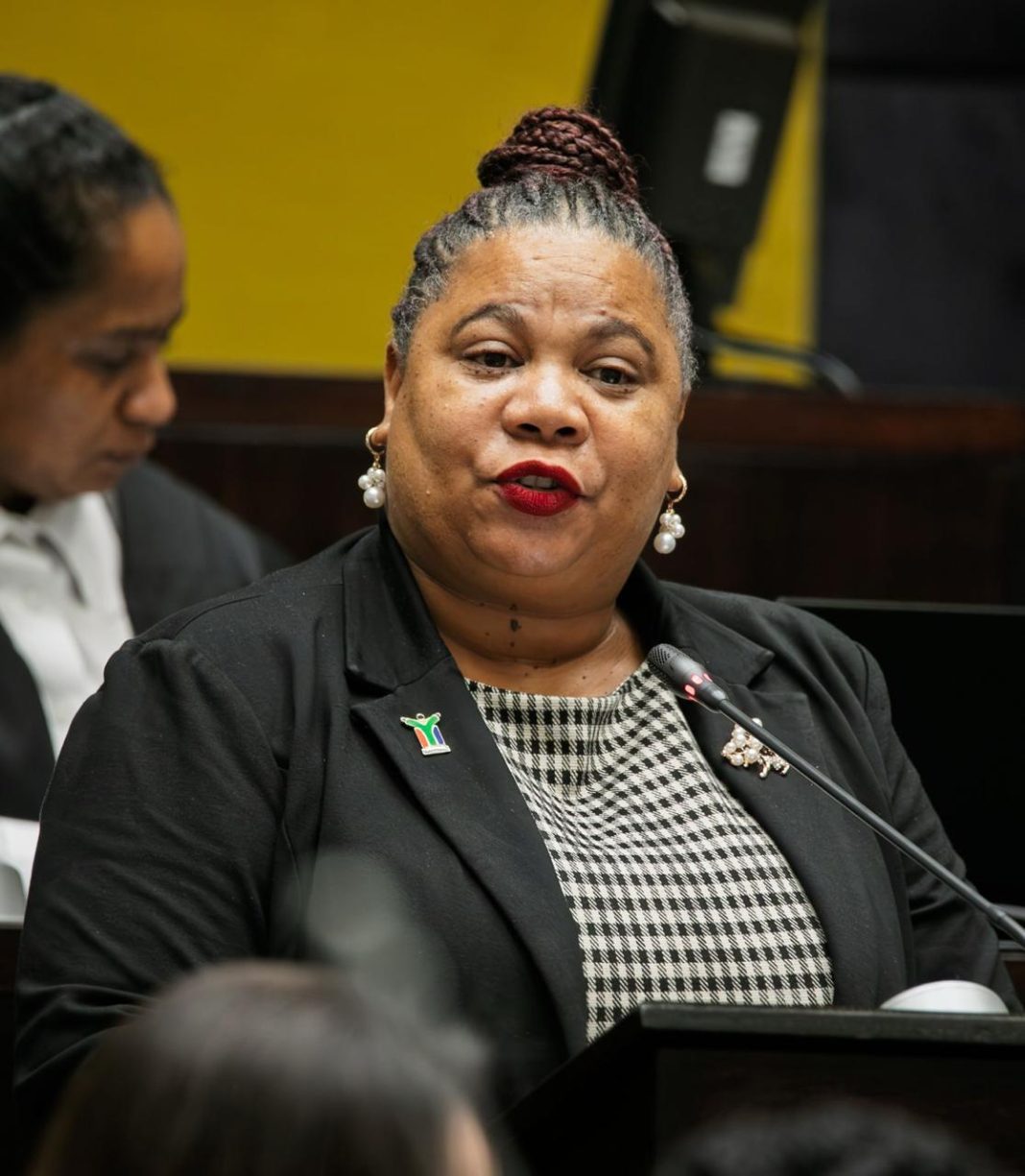
By Ronalda Nalumango

South Africa’s tourism story is often told through its global icons: Table Mountain, the Kruger National Park, the Garden Route and the Winelands.

These destinations matter, and they continue to draw visitors and foreign revenue.

But if tourism is to become the inclusive economic engine government says it should be, then the test is not only how many tourists arrive in Cape Town, Johannesburg or Durban.

The real test is whether tourism creates jobs, enterprises and dignity in villages, townships and small towns that have long sat on the margins of the mainstream visitor economy.

There are encouraging signs of recovery and resilience in the sector.

International tourist arrivals reached 10.5 million in 2025, a 17.7% increase from 8.9 million in 2024 and 2.6% above pre-pandemic levels recorded in 2019.

The sector contributed R779 billion to gross domestic product, supported 1.8 million jobs and generated more than R133 billion in domestic tourism spending.

Between January and May 2026, international tourist arrivals increased by a further 12.8% to 4.2 million compared with the same period in 2025.

Domestic tourism has also nearly recovered. Forty million local holidays were taken in 2025 compared with 42 million in 2019, while domestic overnight trip volumes recovered to 98% of pre-pandemic levels. However, South Africans are travelling for shorter periods, averaging four nights instead of the five-night average recorded in 2019.

The recovery has also been reflected in government spending. The 2025/26 Tourism Budget Vote allocates R2.434 billion to the sector, with about R1.3 billion going to SA Tourism and R331 million each to destination development and tourism sector support services.

These figures show that government once again recognises tourism as an important contributor to economic growth and job creation. But they also raise an uncomfortable question: is enough of this funding reaching the places that need tourism development the most?

In my view, the budget reflects both progress and imbalance.

It is positive that government is investing in destination development, the Working for Tourism programme, grading support, market access and tourism incentive schemes. It is also encouraging that policy reviews are under way, including older strategies on rural tourism, heritage and cultural tourism, and domestic growth.

However, the overall structure of the budget still leans too heavily towards central marketing and broad national programmes, while too little is ring-fenced for local infrastructure, product development, aftercare support and enterprise growth in villages and townships.

If government is serious about transforming the tourism industry, then the budget must do more than market South Africa to the world; it must build tourism where people live.

The reality in many villages, townships and small towns is that tourism potential is high, but the ecosystem is weak. These areas offer authentic cultural experiences, food, music, craft, heritage, struggle history, landscapes and community stories that many travellers are actively looking for.

Yet they remain constrained by poor roads, unreliable water and electricity supply, weak signage, inadequate public amenities, limited digital connectivity, safety concerns and poor integration into mainstream travel itineraries. In too many cases, community tourism projects are launched with excitement and political speeches, only to be left unsupported once the ribbon is cut.

Township and village tourism entrepreneurs often face the same pattern of exclusion.

They struggle to access funding, are not always market-ready, cannot afford grading or compliance costs, are overlooked by large tour operators, and have limited visibility on digital booking platforms. Small towns face similar constraints.

Many are rich in history and character, but they are bypassed because tourism planning is not sufficiently route-based, regional and deliberate. The result is a two-speed tourism economy in which major urban and established leisure destinations continue to grow, while community-based tourism remains underfunded and underconnected.

What needs to be done is clear.

First, a larger and clearly protected share of tourism spending must go directly to local destination development in villages, townships and small towns.

This should include basic enabling infrastructure, maintenance of tourism sites, signage, broadband access, safety support and transport linkages.

Second, government should move from one-off project handovers to long-term aftercare, business mentoring and market access support for community-owned tourism enterprises.

Third, township, village and small-town tourism must be integrated into mainstream provincial and national itineraries, not treated as side projects for Heritage Month or special events.

Fourth, procurement must be used more intentionally so that local guides, caterers, artists, accommodation providers and transport operators benefit from public and private tourism value chains.

Finally, stronger partnerships are needed between municipalities, provinces, tourism agencies, community organisations and the private sector to ensure development is coordinated rather than fragmented.

South Africa does not lack tourism assets; it lacks inclusive execution. The country cannot continue to celebrate record marketing campaigns and rising visitor numbers while entire communities remain spectators in an industry built on their culture, labour and lived reality.

A tourism budget that truly serves national development must invest where tourism can change lives most dramatically: in the villages, townships and small towns where unemployment is high, entrepreneurial energy is strong and authentic experiences are abundant.

Tourism will only become a true engine of inclusive growth when success is measured not only by visitor numbers, but by the livelihoods created in the communities that have waited too long to share in its benefits.

Ronalda Nalumango is Chairperson of the Portfolio Committee on Tourism.

INSIDE BUSINESS

More articles

LEAVE A REPLY

Please enter your comment!
Please enter your name here

Services Seta 2026

spot_img

Inside Education E-edition June 2026

spot_img

CATHSSETTA

spot_img

AVBOB STEP 12

spot_img

Inside Metros G20 COJ Edition

spot_img

JOZI MY JOZI

spot_img

QCTO

spot_img

Latest article