- Advertisement -spot_img

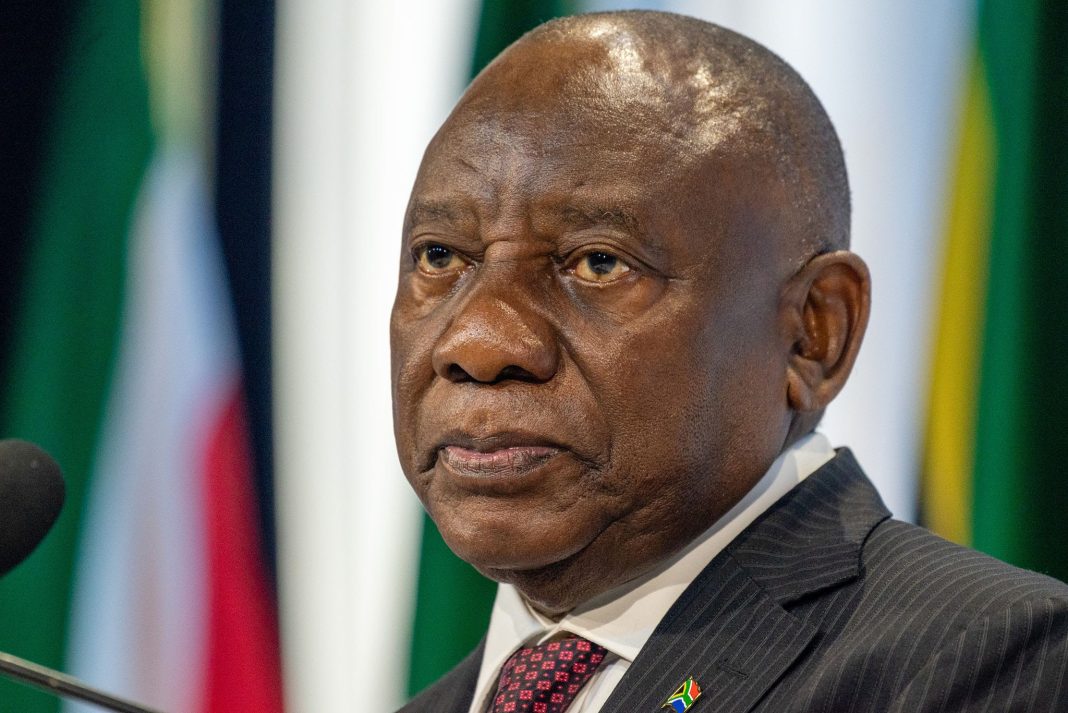
Black farmers give Ramaphosa ultimatum, demand inquiry into alleged corruption and exclusion

- Advertisement -spot_img

Must read

By Charmaine Ndlela

The Izwi Labantu Forum (ILF) has given President Cyril Ramaphosa until 22 July 2026 to respond to what it describes as the systematic exclusion of black emerging farmers, warning that it will escalate its campaign by publicly naming politicians, government officials and institutions it alleges have contributed to failures in South Africa’s agricultural sector.

Addressing a media briefing on Wednesday, the organisation accused government of failing to implement meaningful land reform, withholding support from black farmers, and allowing corruption and maladministration to undermine agricultural transformation.

ILF executive chairperson Norma Mbatha said the organisation had exhausted institutional avenues before taking its grievances public.

“We will not surrender while black farmers continue to be excluded, ignored and denied opportunities they were promised,” Mbatha said.

“Our fight is not for personal gain. It is for justice, dignity and genuine transformation in the agricultural sector. Black farmers must be empowered to own sustainable businesses, access markets, secure title deeds, receive fair support and participate fully in South Africa’s agricultural economy.”

Mbatha stressed that the organisation was not seeking to create racial divisions.

“This is not about black versus white. It is about our land, our natural resources, our food security and the future of South Africa’s agricultural sector,” she said.

She said agriculture had the potential to reduce poverty and strengthen food security, but government had failed to provide adequate support to emerging farmers.

Mbatha argued that rural communities had access to land and many urban households were willing to produce food, yet government programmes had not translated into meaningful assistance.

“If every South African household had the necessary support to produce food, many families would be less dependent on purchasing basic groceries. Social grants could then be used for other essential household needs,” she said.

Mbatha said ILF had issued President Ramaphosa with a 14-day ultimatum, effective from 9 July, calling for the implementation of 14 proposals previously submitted to government.

The proposals were handed to Deputy Minister in the Presidency Nonceba Mhlauli at the Union Buildings on 29 January 2026, but Mbatha claimed there had been no meaningful response.

“To date, Mhlauli has publicly indicated that the challenges facing black emerging farmers and rural communities are not among government’s priority concerns. This position is deeply concerning and unacceptable to the millions of black emerging farmers and rural communities who continue to face exclusion, underdevelopment and a lack of meaningful support,” she said.

Mbatha called on the President to direct government departments to implement the proposals and establish an independent commission of inquiry into alleged corruption, maladministration and governance failures in the agricultural sector.

“The commission must investigate how these failures have affected black emerging farmers and rural communities, who continue to bear the greatest burden of inequality and exclusion,” she said.

“South Africans deserve full transparency and accountability for every rand of public money to ensure taxpayers’ funds are managed responsibly, lawfully and in the best interests of the people.”

She further alleged that politically connected individuals and officials had benefited from agricultural programmes while genuine farmers remained marginalised.

Mbatha claimed government officials, politicians and their associates were leasing farms among themselves and accessing state funding while emerging farmers struggled to obtain land, finance and production support.

“Government officials across departments own farms, lease farms amongst themselves and secure funding from banks and other state entities. We will name names after the 14-day period,” she said.

Among the allegations raised by ILF were claims that some government officials had been transferred between departments despite alleged misconduct, while black farmers continued to face bureaucratic obstacles in accessing productive land and agricultural support.

Mbatha also alleged corruption extended across several government departments responsible for agriculture, land reform, water licensing and rural development.

ILF national leader and Free State farmer Matselane Namane said one of the biggest obstacles facing black farmers was government’s land ownership model.

She argued that while government acquires land for beneficiaries, ownership often remains with the state, leaving farmers with lease agreements instead of title deeds.

“The majority of beneficiaries become tenants on land that was meant to empower them,” Namane said.

“People who have been farming successfully on leased land should now receive title deeds so they can build sustainable businesses.”

Namane also claimed she was facing eviction from a government-supported farm.

“I’m being evicted while officials are occupying the farm and benefiting from rental income. Farmers who are not politically connected are the ones facing threats and eviction,” she alleged.

She questioned whether lease agreements were accompanied by adequate production support, saying many farmers received land but lacked access to finance, equipment and infrastructure.

ILF national leader and KwaZulu-Natal farmer Ajallon Zondi said many black farmers had access to land but lacked the financial support needed to make their farms productive.

“The farmers that are there have land which should be productive, but we find that the land is not productive. What is needed is funding to assist them with the inputs required to make a farm productive,” he said.

“When it comes to getting the funds to make the farm productive, the government fails.”

Zondi alleged that public funds intended to support agricultural development were often diverted for other purposes instead of benefiting emerging farmers.

“What we have noticed is that they tend to use money for their own agenda, which then becomes a problem,” he said.

The organisation also raised concerns about increasing stock theft, accusing some members of the South African Police Service of failing to adequately protect farmers.

ILF alleged that some officers were either ineffective in investigating agricultural crimes or were themselves implicated in corruption, leaving black farmers particularly vulnerable to theft and violence.

Mbatha warned that if President Ramaphosa failed to respond by 22 July, ILF would hold another national media briefing on 23 July, where farmers from all nine provinces would present their experiences and, where available, evidence supporting their claims.

She said the organisation would publicly identify politicians, serving and former government officials, institutions and policies that farmers believe had contributed to exclusion in the agricultural sector.

“The next step rests with the President,” Mbatha said.

“Should there continue to be no meaningful response, the nation will hear directly from the farmers.”

Mbatha said ILF had approached the Public Protector, the Public Service Commission and the Presidency before turning to the media.

“The state knows that NGOs don’t have money to rush to court. That’s why we say white farmers are well represented because they have the resources to take government to court,” she said.

“White commercial farmers often have representative organisations with the resources to pursue legal action. We do not. The only tools available to us are the streets and the media.”

ILF national leader and KwaZulu-Natal farmer Mdumiseni Mlangeni said the organisation’s primary concern was that many emerging farmers were granted lease agreements rather than ownership of the land allocated to them.

“The first problem is that government says it is giving land to people, most of whom are black. But once the land has been bought by government, instead of transferring ownership to the beneficiaries, it remains a government asset,” Mlangeni said.

“The black people who are meant to be the beneficiaries become tenants on land that was supposed to empower them.”

Founded in 2018, the Izwi Labantu Forum is a registered South African non-profit organisation that advocates for poor, working-class and marginalised communities.

INSIDE POLITICS

More articles

LEAVE A REPLY

Please enter your comment!
Please enter your name here

Services Seta 2026

spot_img

Inside Education E-edition June 2026

spot_img

CATHSSETTA

spot_img

AVBOB STEP 12

spot_img

Inside Metros G20 COJ Edition

spot_img

JOZI MY JOZI

spot_img

QCTO

spot_img

Latest article