

By Lebone Rodah Mosima
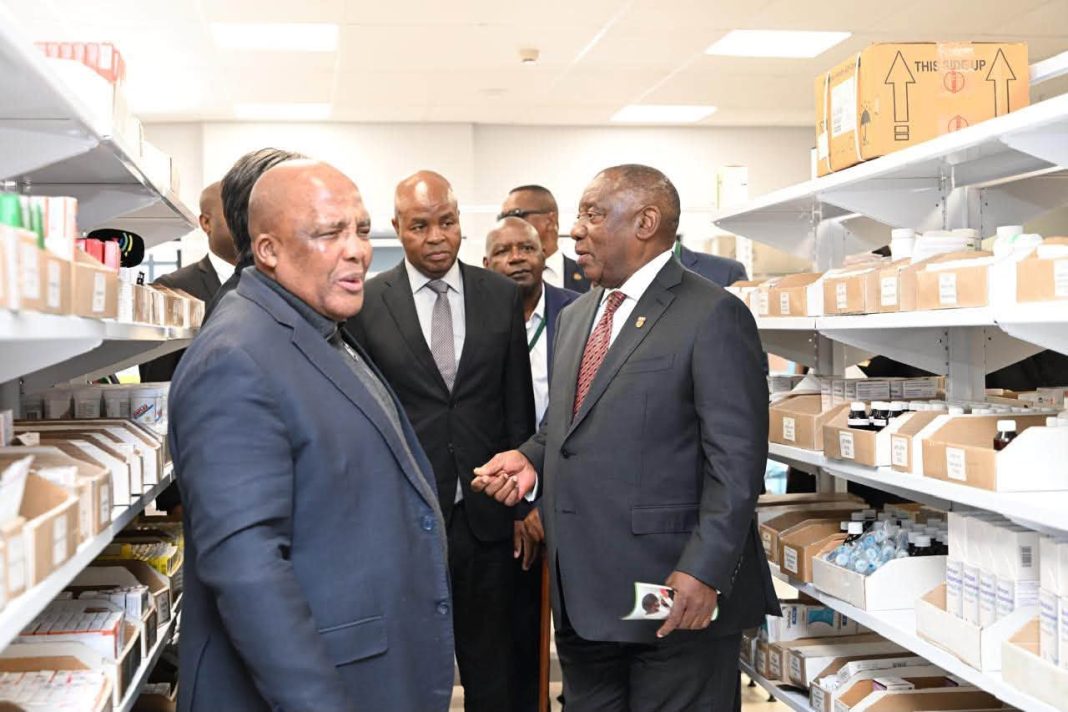
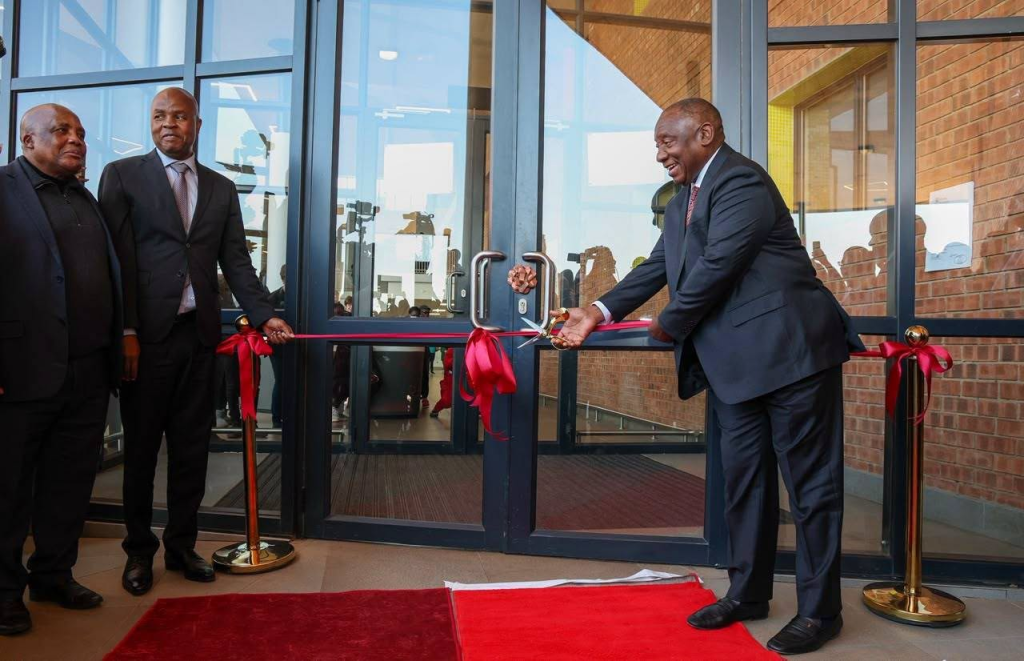
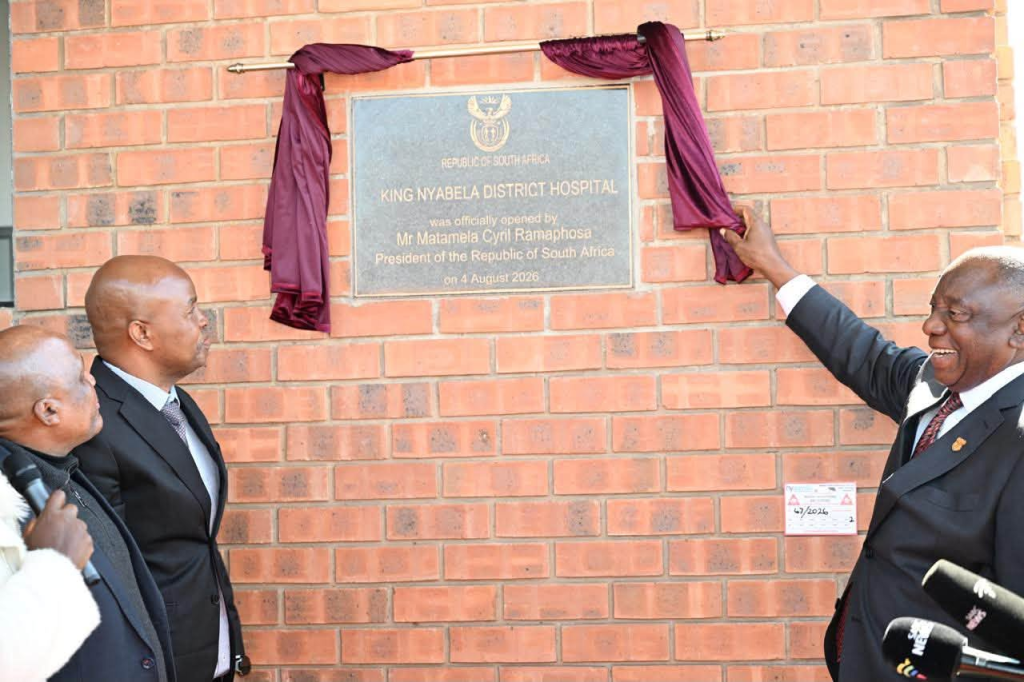
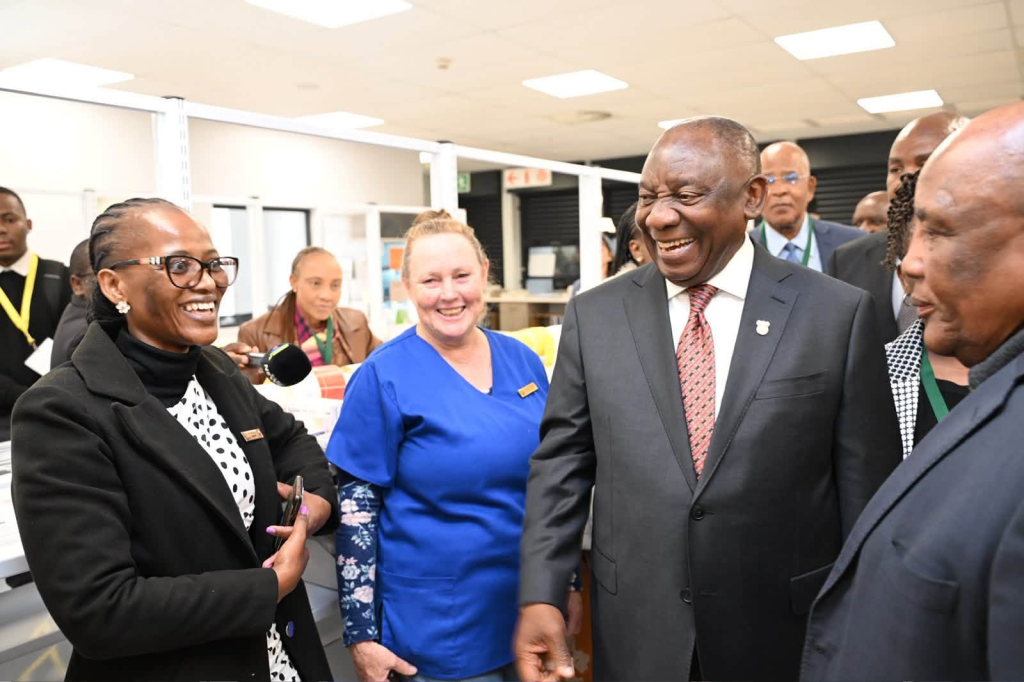
President Cyril Ramaphosa on Tuesday officially opened the new King Nyabela Hospital in Mpumalanga, describing the facility as a significant step towards expanding access to quality public healthcare and advancing South Africa’s goal of universal health coverage.
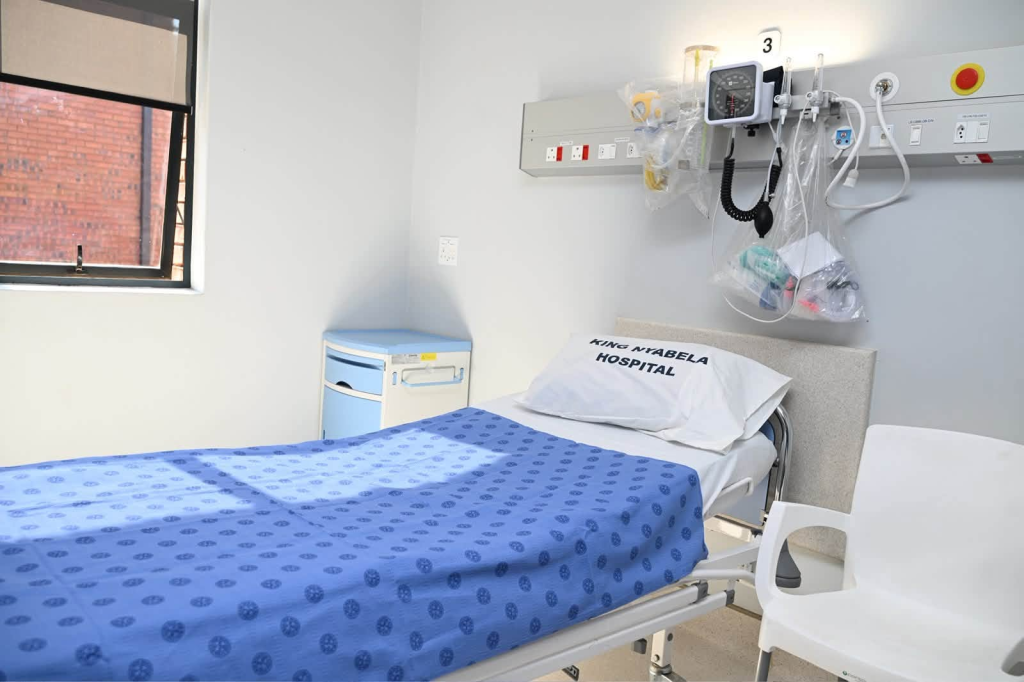
Speaking at the opening ceremony, Ramaphosa said the 220-bed district hospital will serve more than 240,000 residents of the Steve Tshwete Local Municipality, where the vast majority of people depend on the public health system.
“With some 87% of people completely reliant on public healthcare in Mpumalanga, the 220-bed hospital goes a long way in serving the 240,000 people living in the Steve Tshwete Local Municipality,” he said.
The hospital features surgical, medical, paediatric, antenatal, postnatal, neonatal and high-care wards, a fully equipped accident and emergency unit, and three operating theatres.
Outpatient services include a pharmacy, tuberculosis and HIV management, dentistry, eye care, dietetics and nutrition, social work, occupational therapy, physiotherapy, medical male circumcision and mental health services.
“This hospital was ready for occupation on 1 November 2025 and today it is officially open,” Ramaphosa said.
“All the services that were provided at Middelburg Hospital have now been relocated here, but the quality of care and the range of services this hospital provides are a huge improvement on the old.”
Ramaphosa said comprehensive healthcare must focus on prevention, early detection and the effective management of disease, adding that the opening of the facility demonstrates government’s commitment to fulfilling the constitutional right to healthcare.
“That is why hospitals with the capacity to provide comprehensive services are our priority,” he said.
The President acknowledged that construction of the hospital had been delayed by disruptions from so-called business forums and legal disputes involving contractors.
“We must be clear that acts of intimidation and violence relating to the construction of public infrastructure will not be tolerated,” he said.
“We cannot stand for the construction of hospitals, clinics, roads, dams or any public infrastructure being disrupted to advance some individuals’ financial interests.”
Ramaphosa said government is continuing to lay the groundwork for the implementation of the National Health Insurance (NHI), which aims to ensure everyone can access quality healthcare regardless of where they live or their ability to pay.
“The NHI ensures that all people can access the full range of quality health services they need, where and when they need them, without experiencing financial hardship,” he said.
He also stressed the need to complete health infrastructure projects on time and within budget.
“There can be no space for corruption, fraud or waste in the procurement of health infrastructure, supplies or services,” he said.
“We have done much to tackle corruption in healthcare. Stolen funds have been recovered. Alleged perpetrators are being prosecuted.”
However, he said more work was needed to eliminate corruption that deprives vulnerable people of essential healthcare services.
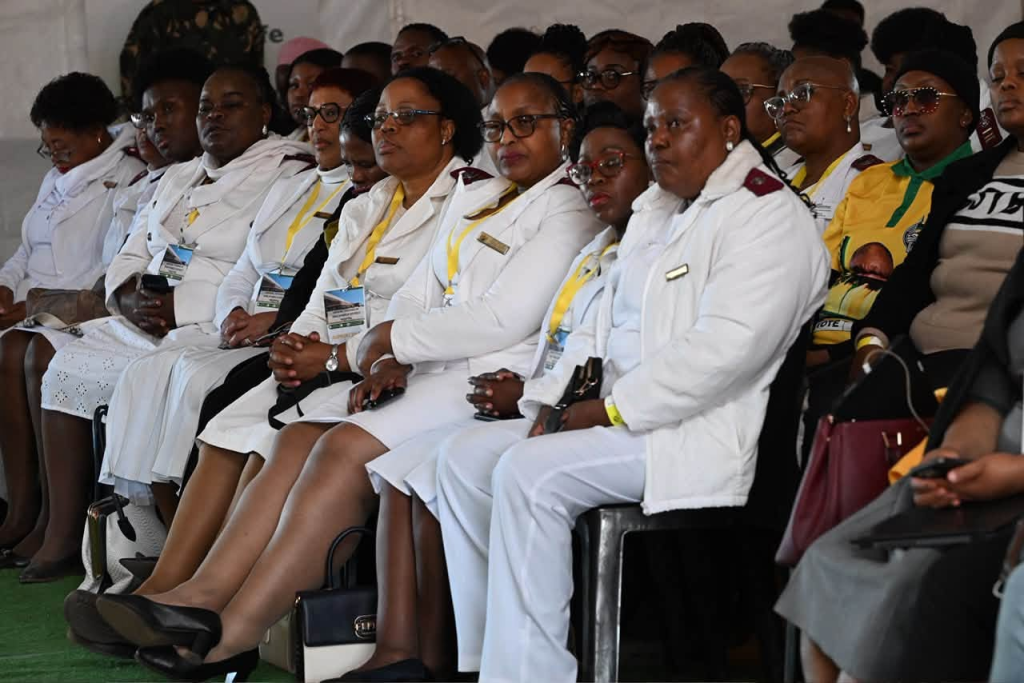
Addressing healthcare workers, Ramaphosa urged them to treat patients with dignity and compassion.
“While hospitals and clinics are built with bricks and mortar, the heartbeat of our facilities is provided by the healthcare providers who perform their duties, sometimes under difficult circumstances,” he said.
He also condemned attempts by some groups to prevent foreign nationals from accessing healthcare services.
“Just as none of us would ever wish to be turned away from a hospital when we need medical attention, we must reject the actions of those who have been breaking the law by trying to prevent foreign nationals from getting medical treatment,” he said.
Ramaphosa said the Constitution guarantees access to healthcare for everyone living in South Africa, regardless of citizenship status, while responsibility for enforcing immigration laws rests with law enforcement authorities.
“Let us remember our own past, when many of our people were denied care on account of the colour of our skin,” he said.
“We do not wish to see it revisited on us or on those who have sought refuge in our country.”
Invoking the legacy of King Nyabela, after whom the hospital is named, Ramaphosa called on healthcare workers to provide compassionate care to all who enter the facility.
Mpumalanga Premier Mandla Ndlovu said the R1.6 billion investment in King Nyabela Hospital demonstrates government’s commitment to improving healthcare access and delivering value for money.
He said the hospital, named after the AmaNdebele king and warrior, will significantly improve access to critical health services while reducing travel distances for patients.
“This development will reduce travel distances for patients and improve access to critical healthcare services within the community,” Ndlovu said.
The premier said Mpumalanga is preparing for the implementation of the NHI and is ready to support its rollout.
He noted that 87.4% of the province’s residents rely on public healthcare because they do not have medical insurance, while only 12.6% are covered by private medical schemes.
“Our aim is to provide them with a fair and equal chance of accessing quality healthcare,” he said.
Ndlovu said that since 1994, government has built seven hospitals and 105 clinics in Mpumalanga, with an additional 24 clinics developed in partnership with the private sector.
He said construction of 10 more clinics is underway, while work is progressing on the Mapulaneng Hospital and preparations have been completed for construction to begin at Linnah Malatjie Hospital following engagements with the Minister of Finance.
The premier also announced plans to strengthen emergency medical services, saying the province currently has 195 ambulances and will add another 20 to improve response times.
“The ratio is one ambulance for every two wards,” he said.
INSIDE POLITICS