

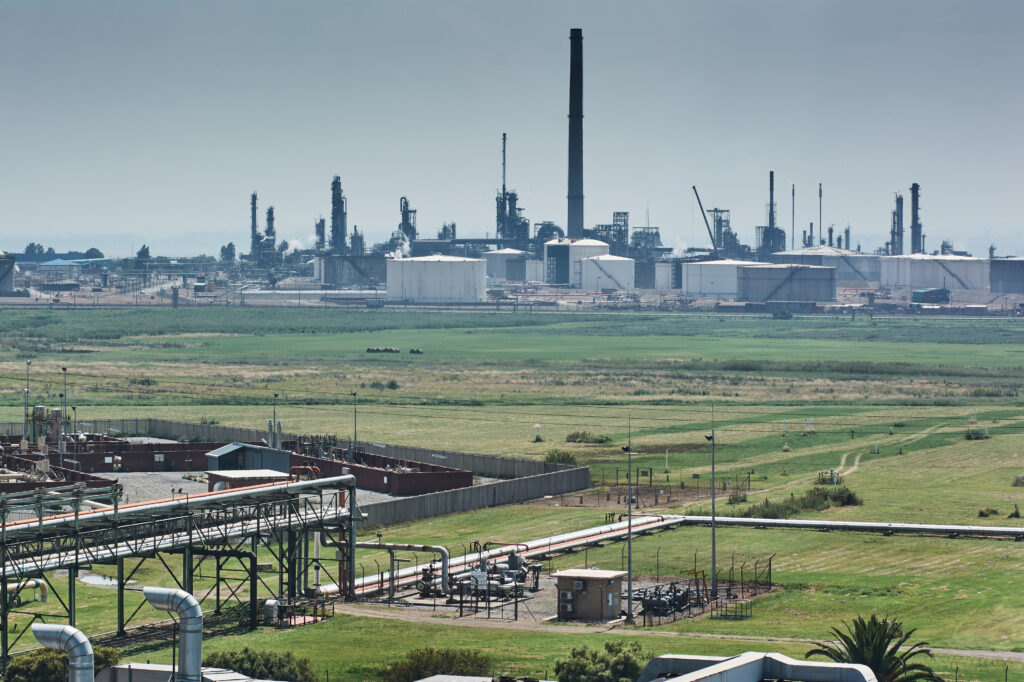


South Africa’s oil-import bill could have been R76 billion ($4.7 billion) lower if it had not closed a large part of its refinery capacity, according to the country’s central bank.
The spending could on average have been 6.1% less in the four years through 2024 if the cap to the import of refined petroleum products was at 25%, the Reserve Bank said in an economic note published last week.
Refinery closures have cut petroleum-related manufacturing output by roughly 20% since 2019, displacing an estimated 5 400 direct and indirect jobs, it said.
South Africa’s refining capacity has halved over the past decade and imported refined products now supply more than half of domestic fuel demand, raising exposure to global price shocks and shipping disruptions, the Reserve Bank said.
This dependence also increases South Africa’s vulnerability to rand volatility, it said.
The continent’s biggest economy only has two operational crude-refining facilities,
You’ve reached your free article limit
Subscribe to enjoy unlimited access to trusted journalism. Cancel anytime.
Subscribe nowNeed help? molokom@insidepolitic.co.za






